





More Soup Than Tea
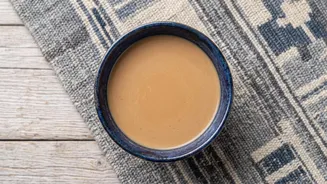
For anyone accustomed to the sweet, milky chai found across most of India, the first sip of Ladakhi butter tea can be a surprising experience. Known locally as Gur Gur Chai, it’s a rich, savoury, and warming brew with a consistency closer to a thin soup
than a typical tea. The taste is distinctly salty and creamy, a flavour profile designed not for indulgence but for survival. Unlike most teas, it contains no sugar. Instead, its primary ingredients are strong black tea leaves, water, salt, and, most importantly, butter—traditionally from yak milk. This combination creates a beverage that is deeply comforting and perfectly suited to the challenging environment of the Himalayas.
A Recipe for Survival
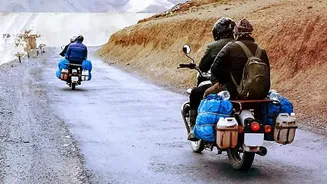
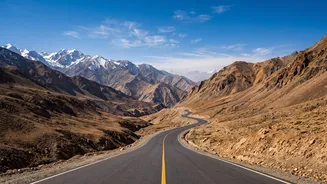
Ladakh is a cold desert, characterized by extreme temperatures, high altitude, and arid conditions. In this harsh landscape, every calorie counts. Butter tea is a brilliant nutritional adaptation to these environmental pressures. The high-fat content from the yak butter provides a significant source of calories, offering sustained energy and helping to keep the body warm in freezing weather. Meanwhile, the salt is crucial for hydration, helping the body retain fluids and replenishing electrolytes lost in the dry, high-altitude air. This makes the tea an essential source of nourishment, especially for nomadic communities who endure the most extreme conditions. For many, it serves as a combined source of fluid, calories, and warmth in a single bowl.
The Art of the 'Gurgur'
The traditional method of preparing Gur Gur Chai is as unique as the drink itself. The name 'Gur Gur' is onomatopoeic, referencing the sound made by the traditional wooden churn, called a 'gurgur' or 'chandong', used to make the tea. The process begins by boiling tea leaves, often a type of fermented brick tea, for an extended period to create a strong, dark concentrate. This liquid is then poured into the churn along with a generous amount of yak butter and salt. The mixture is then churned vigorously until it emulsifies, creating the signature creamy, frothy consistency. While modern blenders are now sometimes used, the traditional churn remains a fixture in many Ladakhi kitchens, a symbol of the region's culinary heritage.
A Symbol of Hospitality and Culture
Beyond its practical benefits, butter tea is deeply woven into the cultural and social fabric of Ladakh. It is a cornerstone of Ladakhi hospitality, with guests always being welcomed with a warm bowl. It is customary for a host to continuously refill a guest's bowl after every few sips, and a guest should never fully empty their bowl until they are ready to leave. The act of sharing butter tea fosters a sense of community and connection. It is also integral to religious life, consumed by monks in monasteries like Hemis and Thiksey during long meditation sessions and used as a sacred offering. Whether in a home or a monastery, it is a beverage that signifies respect, warmth, and community.
A Broader Himalayan Tradition
The tradition of drinking savoury, buttery tea is not exclusive to Ladakh. It originated on the Tibetan plateau and spread across the Himalayan region, including to Nepal and Bhutan. Each region has adapted the recipe to its local ingredients and tastes, but the fundamental principle remains the same: a high-energy, hydrating drink suited for life at high altitude. This shared culinary tradition highlights a common story of human ingenuity and adaptation in one of the world's most formidable environments. It stands in contrast to the sweet tea traditions prevalent elsewhere, showcasing a regional preference for savoury flavours born from necessity.