

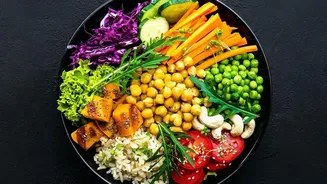
Your Brain on Plating
Before a single bite touches your tongue, your brain has already formed a set of expectations based on what it sees. This phenomenon, often studied in the field of gastrophysics, shows that our visual sense can powerfully influence, and sometimes even
override, our sense of taste. Research demonstrates that when food is presented in a neat, attractive, and organized way, people report enjoying the flavour more compared to the exact same food served messily. This happens because an attractive presentation signals care and quality, creating an expectation of a better tasting meal, a concept known as 'expectation bias'. Our brains are wired to associate appealing visuals with a more satisfying and flavourful experience, proving that the way food looks directly impacts how we think it will taste.
The Powerful Influence of Colour
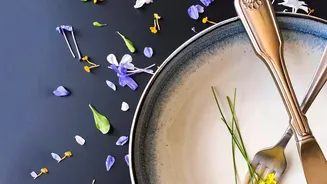
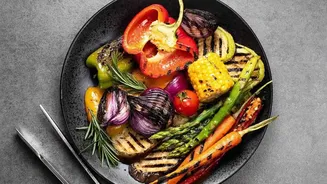
The colour of your plate plays a surprisingly significant role in this sensory deception. Studies consistently show that the contrast between the food and the plate can alter taste perception. For instance, a strawberry dessert served on a round, white plate is often perceived as sweeter and more intense than the same dessert on a black, angular one. White plates provide a neutral canvas that makes the food's colours pop, enhancing their visual appeal. Conversely, dark plates can make savoury dishes feel richer and more serious. The effect is so pronounced that warm colours like red and yellow can stimulate the appetite, while cooler tones like blue may have a calming or even appetite-suppressing effect.
Shape and Arrangement Matter
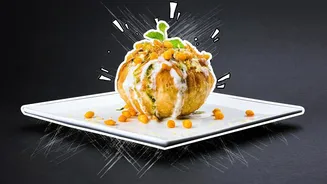
Beyond colour, the shape of the plate and the arrangement of the food are crucial. Round plates are often associated with comfort and can even enhance sweet flavours. Angular or square plates, on the other hand, can lend a modern, sophisticated feel and may enhance savoury notes. How food is arranged is just as important. A study found that diners were willing to pay more for neatly arranged food and associated it with a higher-quality restaurant. An attractive arrangement can make a dish seem more valuable and can even influence how filling it seems. Thoughtfully spaced portions on a plate encourage a slower, more mindful eating pace, whereas a crowded plate can lead to hurried eating. One study found that food stacked vertically is often perceived as a smaller portion than the same amount of food spread horizontally, which can lead people to eat more.
Putting It to Use in Your Kitchen
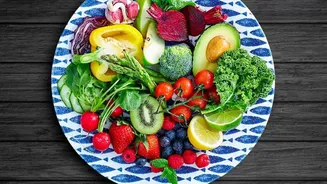
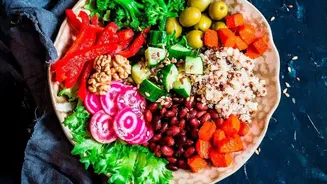
You don't need to be a fine-dining chef to use these principles at home. Simply being mindful of presentation can elevate everyday meals. Try serving food on plates that offer a high colour contrast to make the ingredients look more vibrant. For example, a colourful salad will look more appealing on a white plate. Take an extra moment to arrange the components of your meal with a sense of order and balance rather than just piling them on. Even a simple garnish can signal care and make the dish more appealing. By making your food look better, you can trick your brain into thinking it tastes better, potentially increasing your enjoyment of healthy meals or helping you feel more satisfied with smaller, well-presented portions.