






The Myth of the 'Homemade' Halo
We often assume homemade soup is automatically the healthier choice, and for good reason. When you cook from scratch, you control every ingredient. This is a significant advantage, allowing you to load up on vegetables, use lean proteins, and avoid unwanted
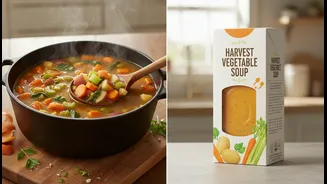
additives. However, a homemade soup is only as healthy as the recipe you follow. A soup laden with heavy cream, butter, processed meats, and excessive salt can easily become a high-calorie, high-fat meal. It’s easy to be liberal with the salt shaker at home, and without careful measurement, a homemade broth can end up with just as much sodium as a store-bought version. The “homemade” label provides a sense of virtue, but it guarantees nothing without mindful preparation.
Deconstructing Packaged Soups
Packaged soups get a bad rap, primarily due to their notoriously high sodium content. It's true that many canned and instant soups contain a significant portion of the recommended daily sodium limit of 2,300 mg in a single serving. Some soups can contain 800 mg of sodium or more per cup, and since a can often holds two servings, a single meal could deliver nearly a full day's worth of salt. However, the market has evolved. Today, you can find a growing number of healthier options, including those labeled “low sodium,” “reduced sodium,” or organic. These soups offer undeniable convenience and portion control. For busy individuals, a carefully chosen packaged soup can be a much better option than skipping a meal or resorting to less healthy fast food.
The Ingredients That Truly Matter
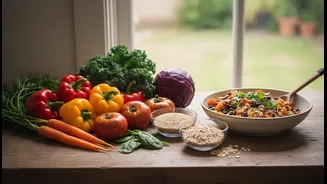
Whether your soup comes from a pot on your stove or a carton from the grocery store, its health benefits are determined by what's inside. A truly nutritious soup is built on a foundation of quality ingredients. Start with a broth base rather than a cream base to keep saturated fat and calories in check. Look for plenty of vegetables, which add essential vitamins, minerals, and fibre. Incorporating lean proteins like chicken, turkey, beans, or lentils makes the soup more filling and satisfying. Adding whole grains such as barley, quinoa, or brown rice can also boost fibre content and add texture. These components work together to create a balanced, nourishing meal.
How to Read the Label Like a Pro
To make informed choices in the soup aisle, the nutrition label is your best friend. First, check the serving size; many people consume an entire can, which is often two servings. Next, look at the sodium. A soup is considered low in sodium if it has 140 mg or less per serving. Aim for options under 600 mg per serving if possible. Check for fibre and protein — higher amounts will keep you feeling full longer. Also, be wary of hidden sugars, especially in tomato-based soups. By paying attention to these key numbers, you can easily distinguish the healthier choices from the salt and calorie bombs.
Simple Ways to Boost Any Soup
You can easily elevate the nutritional profile of any soup, whether homemade or packaged. If you're starting with a canned soup, especially a low-sodium one, you can enhance its flavour and nutritional value. Toss in extra fresh or frozen vegetables like spinach, peas, or carrots to increase vitamins and fibre. Add a source of lean protein, such as shredded rotisserie chicken, canned beans (rinsed to reduce sodium), or lentils. Instead of salt, use herbs and spices like garlic powder, turmeric, or fresh parsley to add flavour without the sodium. A squeeze of lemon juice or a dollop of plain Greek yogurt can brighten the taste and add a creamy texture without the fat of heavy cream.