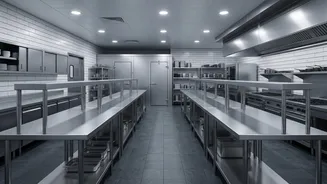









A Spotlight on Kitchen Hygiene
The Food Safety and Standards Authority of India (FSSAI) has intensified its inspections of luxury hotels in Delhi ahead of the upcoming BRICS summit. This proactive measure aims to ensure that the food served to international dignitaries meets the highest
standards of safety and hygiene. However, recent checks have revealed significant lapses at some of the city's most prestigious addresses, including properties in the Aerocity hospitality hub. Notices have been served to prominent hotels after inspectors discovered a range of violations, turning a routine regulatory process into a high-stakes issue of national prestige.
What Did the Inspectors Find?
The findings were far from minor. At some establishments, FSSAI officials discovered expired food items, including nearly 90 kilograms of expired sweets at one hotel that had to be destroyed on the spot. Other documented issues included the presence of cockroaches and flies in kitchen areas, rotten produce, and improper storage practices. Inspectors also noted poor segregation between vegetarian and non-vegetarian food preparation areas, a critical compliance point. In one instance, utensils were found to be unclean, and even packaged drinking water was flagged for containing visible particulate matter, prompting immediate concern.
The 'Improvement Notice' Explained
The notices issued to these hotels are formally known as 'Improvement Notices' under the FSS Act, 2006. This is not an immediate shutdown but a formal directive to rectify the identified problems within a specified timeframe. Hotels are required to take corrective action on every point raised, from pest control to staff training and sourcing of raw materials, and then submit a detailed compliance report to the authorities. It serves as a stern warning that gives the business an opportunity to fix its shortcomings before more severe penalties are considered.
The Stakes: Reputation and License
For the hotels involved, the stakes are incredibly high. Failure to comply with an improvement notice can have serious consequences. The FSSAI has the authority to suspend or even cancel an establishment's license, effectively halting its operations. In cases deemed a serious risk to public health, authorities can impose a suspension immediately. Beyond the legal and financial penalties, which can include hefty fines, the reputational damage can be immense. For five-star hotels that trade on a promise of luxury and impeccable service, a public food safety violation can severely damage guest trust and brand image.
Zero Tolerance for a Global Audience
FSSAI officials have communicated a 'zero tolerance' policy, especially with the summit on the horizon. The health and safety of visiting heads of state and their delegations are a matter of national importance. In meetings with hotel representatives, the regulator emphasized that a five-star rating does not grant an exemption from stringent food safety protocols. This crackdown is part of a larger push by the FSSAI to elevate food safety standards across the board, from street food vendors to the most exclusive kitchens. The authority has also been deploying 'Food Safety on Wheels'—mobile testing vans—to conduct on-the-spot checks and raise public awareness.