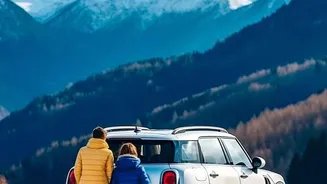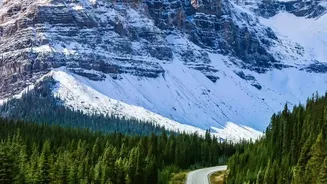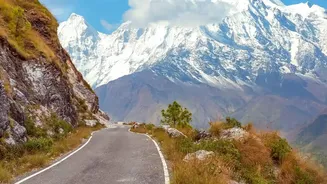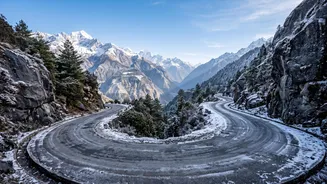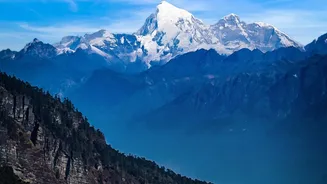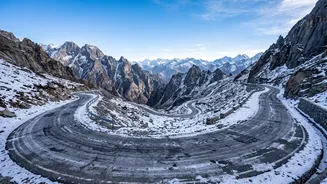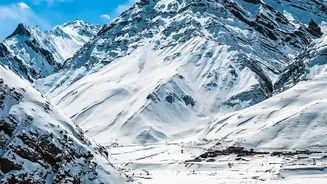

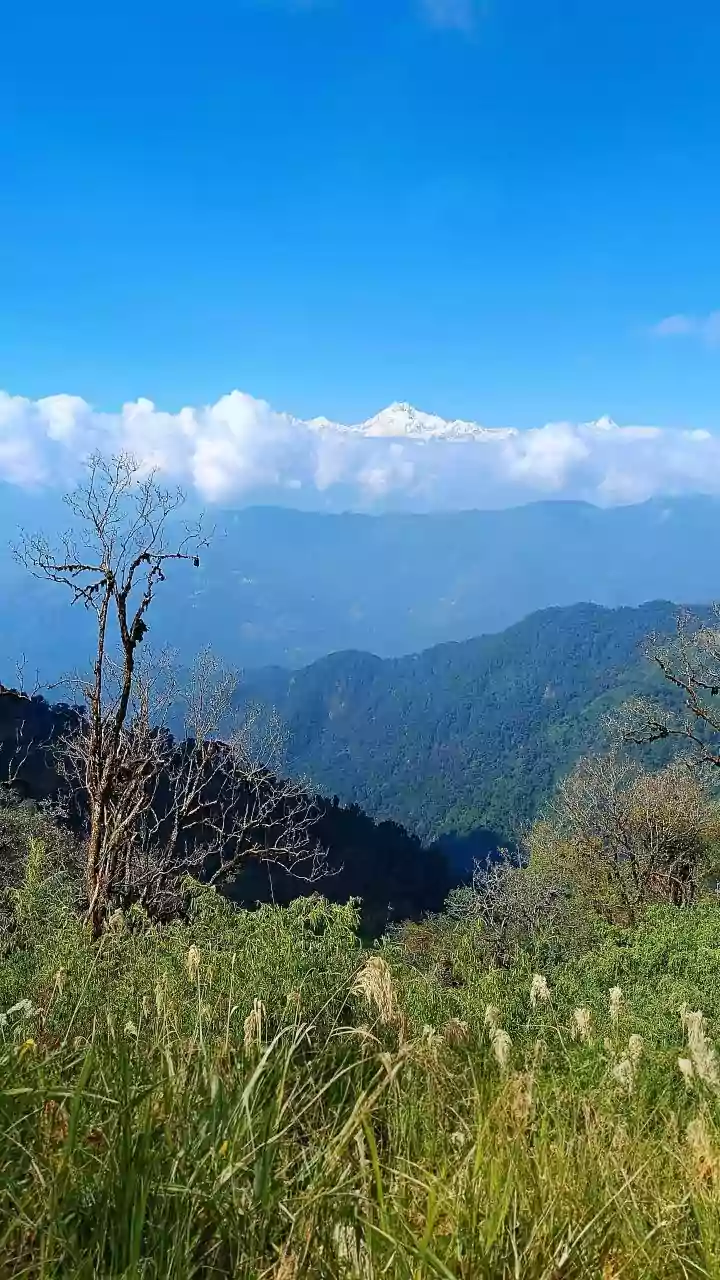

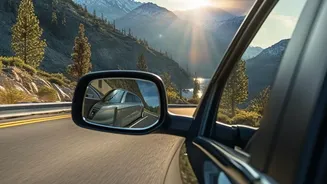
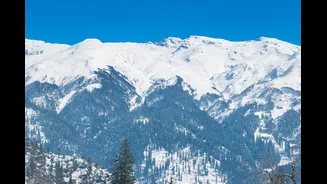
The image is iconic: your car carving a path through a snow-dusted landscape, with majestic peaks for company. But a winter road trip in India, especially in the Himalayas, requires more than just wanderlust. It demands respect for nature's power.
Why Winter Demands Special Planning
A winter
road trip is fundamentally different from a summer one. The challenges are not just about colder temperatures; they involve specific hazards that can bring a journey to a halt. Reduced daylight hours mean less time for driving, while unpredictable weather can trigger sudden snowfall, closing roads with little warning. One of the most significant dangers is 'black ice'—a thin, transparent layer of ice on the road surface that is nearly invisible to drivers, making stretches extremely slippery. Unlike a summer shower, a heavy snowstorm can leave you stranded for hours, or even days. Therefore, flexibility isn't just a suggestion; it's a necessity. Your itinerary must have buffer days built in to accommodate potential delays.
The Himalayas: Beauty and Blockades
The Indian Himalayas are the primary draw for winter road-trippers, but this is where access is most dynamic. High-altitude passes are the first to close. The iconic Manali-Leh Highway, for instance, is completely inaccessible from around November to May as passes like Rohtang La and Baralacha La are buried under deep snow. While the Atal Tunnel provides all-weather connectivity to the Lahaul Valley, bypassing the treacherous Rohtang Pass, the roads beyond the tunnel can still be subject to temporary closures due to heavy snowfall or avalanche risks. Popular destinations like Shimla, Manali, Mussoorie, and Auli remain accessible but are prone to disruptions. Heavy snowfall can lead to temporary road closures, and local authorities may restrict vehicle movement until the roads are cleared and deemed safe.
Ladakh and Kashmir: The Frozen Frontier
Venturing into Ladakh or the upper reaches of Kashmir in winter is an expedition. The main artery connecting the Kashmir Valley to Ladakh, the Srinagar-Leh Highway, shuts down as Zoji La pass becomes impassable. While the Border Roads Organisation (BRO) works diligently to keep the pass open for as long as possible, it typically closes for extended periods during peak winter. This means surface access to Ladakh is cut off, making flights into Leh the only viable option. Within Ladakh, some internal routes like the roads to Nubra Valley via Khardung La and Pangong Lake via Chang La are kept open year-round by the BRO, but transit is strictly regulated with mandatory snow chains and specific convoy timings. These are not casual drives; they require vehicles prepared for extreme sub-zero temperatures and drivers experienced in handling icy conditions.
The Northern Plains: A Different Hazard
Winter driving challenges are not confined to the mountains. From December to February, the northern plains, including Punjab, Haryana, Delhi NCR, and Uttar Pradesh, are frequently blanketed in dense fog. This phenomenon can reduce visibility to near-zero, creating extremely hazardous driving conditions, especially on highways where speeds are higher. The biggest mistake drivers make is maintaining normal speeds, which drastically reduces reaction time. Safe driving in fog requires a completely different approach: reduce your speed significantly, use low-beam headlights or fog lamps (high beams reflect off the fog and worsen visibility), and maintain a much larger following distance. If visibility becomes dangerously poor, the safest action is to pull over to a secure location and wait for conditions to improve.
Your Pre-Trip Checklist for a Safe Journey
Thorough preparation can be the difference between a memorable adventure and a risky ordeal. Before starting your engine, run through this essential checklist. First, check official sources for road status. The Border Roads Organisation (BRO) website and social media handles, along with local traffic police advisories, provide the most reliable, upstodate information on road closures. Second, prepare your vehicle. A 4x4 is advantageous but not always essential. More critical are good quality tyres, antifreeze in the coolant, and fully functional fog lamps, heater, and defogger. Carrying snow chains and knowing how to use them is crucial for high altitude travel. Finally, pack an emergency kit. This should include warm blankets, extra food and water, a powerful torch, a first aid kit, and a fully charged power bank. Prioritise safety over a rigid schedule at all times.