

What Exactly Is a Peppermint Compress?
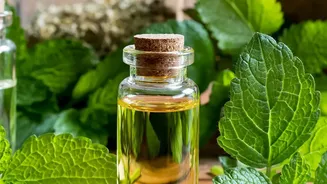
A peppermint compress is a simple, traditional remedy made by soaking a cloth in cool water infused with peppermint essential oil. The cloth is then wrung out and applied to the skin, typically on the forehead, neck, or temples. The appeal lies in its
simplicity and the refreshing, cooling sensation it provides, which many people find soothing for various minor ailments. The active component responsible for this effect is menthol, a natural compound that makes up a significant portion of peppermint oil. This cooling sensation is at the heart of most claims surrounding its benefits.
The Claim: A Natural Headache Cure
One of the most common uses for a peppermint compress is to alleviate headaches, particularly tension-type headaches. The idea is that the cooling effect of the menthol helps relax muscles and dull pain perception. Scientific evidence lends some support to this claim. Limited research suggests that topical application of peppermint oil can be effective for tension headaches. One notable German study found that a 10% solution of peppermint oil in ethanol was comparable to taking 1,000 mg of acetaminophen for reducing headache pain. The menthol appears to work as a 'counter-irritant'; the cooling sensation competes with pain signals, effectively distracting the brain.
The Claim: A Go-To Fever Reducer
Another popular belief is that a peppermint compress can help bring down a fever. When applied to the skin, the menthol in the oil activates cold-sensitive receptors, creating a distinct cooling sensation. This can certainly make a person feel more comfortable and less overheated. However, it is crucial to distinguish this feeling of coolness from an actual reduction in core body temperature. While a cool compress of any kind can offer temporary relief and comfort during a fever, there is little scientific evidence to suggest that adding peppermint oil will medically lower the fever itself. Its effect is more about symptomatic relief than a cure.
The Reality: Soothing Sensation vs. Medical Cure
When we look at the evidence, a clearer picture emerges. Peppermint oil, primarily through its active ingredient menthol, shows genuine promise as a topical analgesic, especially for muscle soreness and tension headaches. The cooling effect can numb an area and provide significant, albeit temporary, relief. However, for conditions like fevers or sinus infections, its role is more about comfort and alleviating secondary symptoms like congestion through its strong aroma. It is a complementary therapy that can help you feel better, but it is not a replacement for medical treatment for underlying infections or persistent pain. It’s a tool for comfort, not a cure-all.
Safety First: Potential Risks and Precautions
Despite being natural, peppermint essential oil is highly potent and must be used with care. Applying undiluted peppermint oil directly to the skin can cause significant irritation, rashes, or allergic reactions. It should always be diluted with a 'carrier oil'—such as coconut, jojoba, or almond oil—before it touches your skin. Furthermore, peppermint oil should never be used on the face of infants or young children, as the strong menthol can negatively affect their breathing. A patch test on a small area of skin is always recommended before wider application to check for sensitivity.
How to Make a Safe Peppermint Compress
Creating a peppermint compress at home is simple and safe if you follow the correct steps. First, prepare your diluted oil. Mix 2-3 drops of high-quality peppermint essential oil with one tablespoon of a carrier oil like coconut or almond oil. Next, fill a bowl with cool water. Add your diluted oil mixture to the water. Submerge a clean, soft cloth (like a washcloth) into the bowl, allowing it to soak up the infused water. Wring out the excess liquid so the cloth is damp but not dripping. Finally, apply the compress to your forehead, temples, or the back of your neck for up to 10-15 minutes for a refreshing and soothing experience.