



The Culture of Convenience
Street food is the lifeblood of Indian cities, offering an explosion of flavours that are both affordable and accessible. A cup of mixed fruit, especially, feels like a healthy, guilt-free indulgence amidst the fried and spicy alternatives. Vendors with
their colourful carts laden with papaya, watermelon, and pineapple are a ubiquitous part of the urban landscape. For millions, it's a quick breakfast, a midday snack, or a refreshing treat on the go. This culture of convenience is deeply ingrained, but it often comes with a trade-off that we choose to ignore: food safety. While we trust the vendor, we rarely question the journey of that fruit from whole to sliced to our hands.
The Unseen Risks of Cut Fruit
The skin of a fruit is its natural armour, protecting the sweet, nutrient-rich flesh inside from the outside world. The moment that barrier is broken by a knife, the fruit becomes vulnerable. The exposed, moist surface is an ideal breeding ground for bacteria like Salmonella and E. coli. These pathogens can be introduced in several ways: from a contaminated knife, the water used to wash (or not wash) the fruit, the vendor's hands, or simply from dust and pollutants in the air. A fruit that sits out for hours at room temperature—especially in the Indian heat—is in the microbial 'danger zone', where bacteria can multiply rapidly. A slice of watermelon that looked fresh an hour ago might already be hosting a colony of unwanted microscopic guests.
Why 'Freshly Cut' Is the Golden Rule
This brings us to the central point of the headline. The danger isn't the fruit itself, but the time and conditions between cutting and consumption. When a vendor cuts a papaya or a pineapple right in front of you, you are minimizing the window for contamination. The flesh is exposed for only moments before it is handed to you. This is starkly different from buying a pre-cut, pre-packaged cup of fruit that may have been prepared hours ago and left sitting on the cart. Studies and food safety experts consistently recommend that cut fruit should be consumed within two hours if left at room temperature. After that, the risk of foodborne illness increases significantly. Therefore, the act of seeing the fruit cut to order is your single greatest assurance of freshness and safety.
Is Papaya Really Safer?
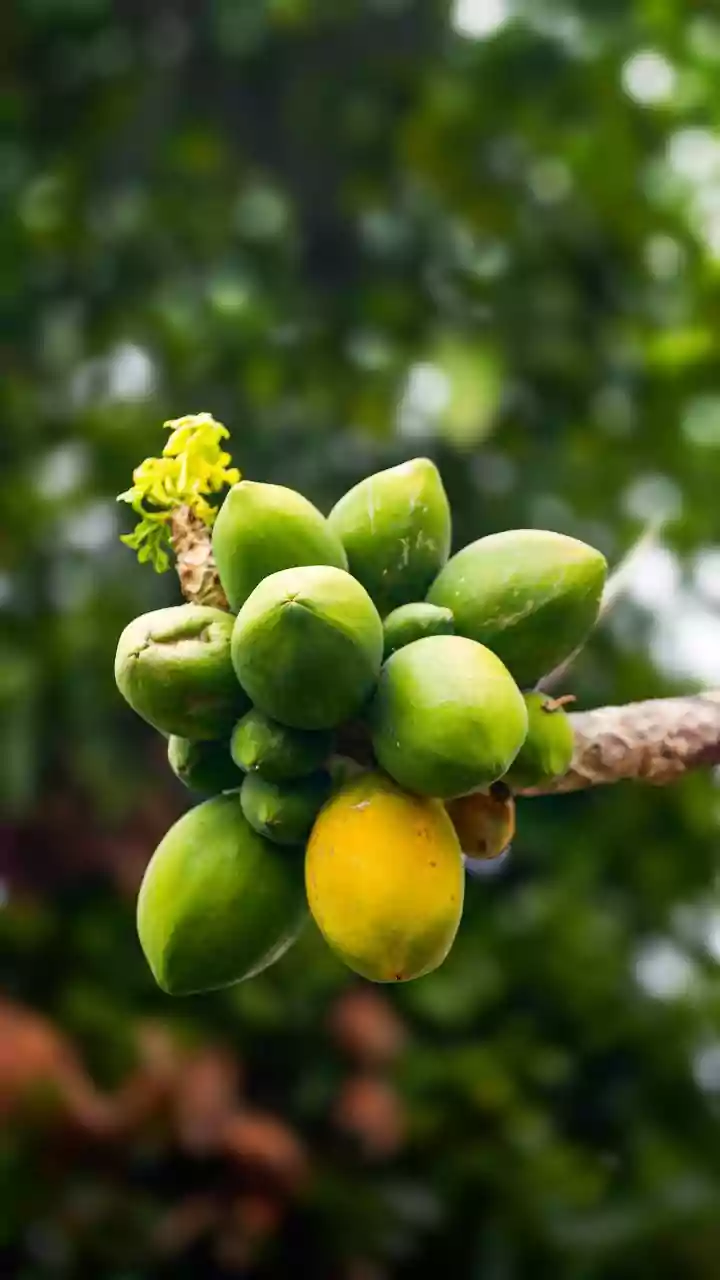
The headline specifically mentions papaya, but is it magically safer than watermelon or pineapple? Not inherently. The safety comes from the common practice associated with it. Papayas, due to their softer texture, are almost always cut fresh to order. It's rare to see pre-cut papaya slices sitting for long periods. Watermelon, on the other hand, is often pre-sliced into large wedges and displayed for hours to attract customers. This difference in vending practice is what makes freshly cut papaya a 'safer' bet. The principle applies to any fruit: a pineapple, melon, or mango cut before your eyes is always preferable to one that has been sitting out. The choice is less about the type of fruit and more about the process you witness.
Your Checklist for Safer Street Fruit
Enjoying street-side fruit doesn't have to be a gamble. By becoming a more observant customer, you can significantly reduce your risks. Here are a few things to look for: Watch the Action: Always choose a vendor who cuts the fruit in front of you. This is non-negotiable. Assess the Setup: Take a quick look at the vendor's cart. Does it look generally clean? Are the knives and cutting board well-maintained? Are they using clean water? Follow the Crowd: A busy stall with high turnover is a good sign. It means the fruit is fresh and not sitting around for long. Avoid Pre-packaged Cups: Steer clear of fruit that is already cut and sealed in plastic cups or bags, especially if it's not refrigerated. You have no idea when it was prepared. * Trust Your Instincts: If the fruit looks dull, mushy, or is swimming in its own juices, walk away. If the vendor's hygiene practices seem questionable, find another spot.