



Are We Losing Traditional Recipes?
This is the big one. There's a growing concern that the knowledge of traditional chutney making, often passed down orally through generations, is disappearing. Many classic recipes involved specific grinding techniques and ingredient combinations designed
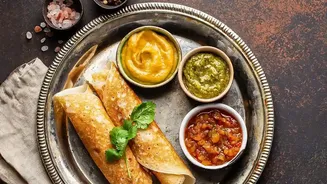
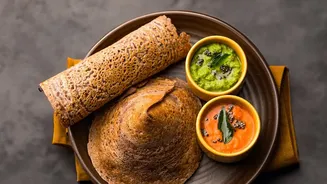
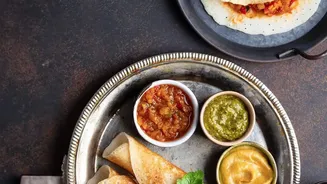
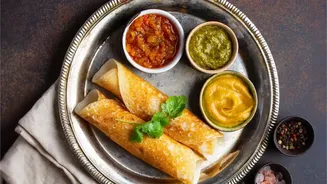
not just for flavour, but also for digestive and medicinal benefits, a wisdom that modern science is only now beginning to validate. While restaurants often serve a standard trio—coconut, mint-coriander, and tamarind—countless regional and seasonal variations are at risk of being forgotten. However, this fear has also sparked a counter-movement. Culinary enthusiasts and platforms are working to document and preserve these recipes, celebrating the incredible diversity that extends far beyond what is commonly available.
Can Breakfast Chutneys Be 'Healthy'?
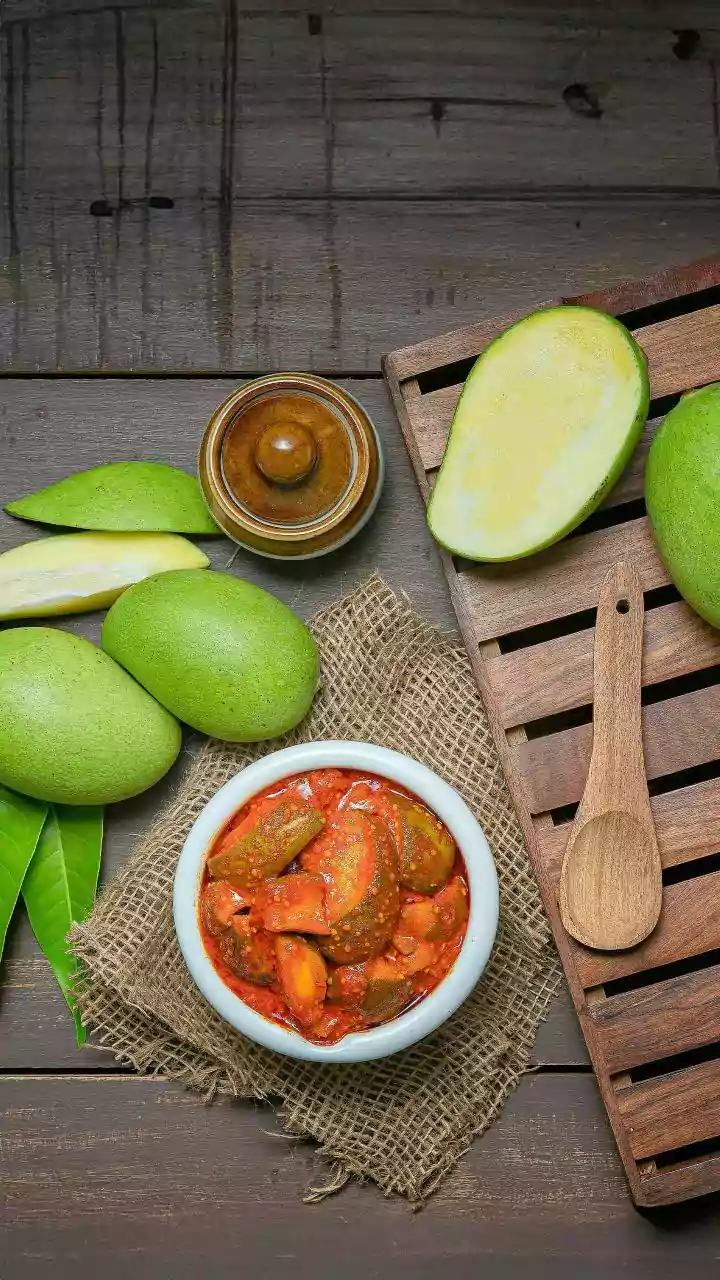
Absolutely, and this is one of the most significant shifts in the chutney landscape. With growing health consciousness, there's a clear move towards healthier options. This translates to chutneys made with less salt and sugar, and the replacement of traditional ghee with options like olive oil. Many are exploring naturally sweet ingredients like dates or black currants to reduce refined sugar. Furthermore, many traditional chutneys are inherently healthy, relying on fresh herbs, vegetables, and spices. Raw mango chutney is rich in Vitamin C, mint is known for its cooling properties, and peanut chutney offers a creamy, filling, and protein-rich option. The focus is now on highlighting these natural benefits and adapting recipes for modern dietary needs.
What Are the New Flavours on the Block?
Innovation is thriving. While classics remain beloved, street food vendors and home cooks are experimenting like never before. You're now seeing fusion chutneys inspired by global cuisines, such as Schezwan chutney served with dosas. There's also a renewed interest in hyper-regional specialties that are finding a national audience. Think of fiery Dalle chilli chutney from Sikkim, the nutty Bhaang ki Chutney (made from hemp seeds) from Uttarakhand, or even the unique Red Ant Chutney from Chhattisgarh and Odisha. Fruits like pomegranate and even vegetables like beetroot are being used to create vibrant, novel dips that add a completely new dimension to the breakfast plate.
How Is Social Media Changing the Game?
Social media is the new tastemaker. A single viral video can turn a simple, homemade tomato chutney into a national sensation overnight. Platforms like Instagram and Facebook have become digital archives for recipes and a stage for food experimentation. This has a dual effect. On one hand, it can lead to the rapid popularisation of trendy, sometimes gimmicky, recipes like 'pasta samosas' or 'chocolate samosas'. On the other, it provides a powerful platform for showcasing rare, regional chutneys and bringing them to a wider audience, helping to preserve the very traditions that are feared to be fading. It allows for a visual celebration of food that connects people to stories behind the flavours.
How Are Street Vendors Adapting?
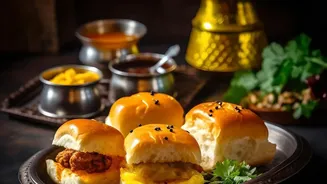
Street food vendors, the heart and soul of the breakfast scene, are navigating these changes in real-time. Many are sticking to the tried-and-true recipes that have earned them loyal customers for years, perfecting the classic coconut, mint, and tomato chutneys that form the foundation of dishes like vada pav and dosa. At the same time, others are embracing new trends to attract a younger, more adventurous clientele. This might mean offering a wider variety of chutneys, including healthier or more exotic options alongside the classics. They are also adapting to modern demands like digital payments, showing a resilience that keeps them central to India's culinary identity.