A Groundbreaking Initiative in the Himalayas
On October 7, 2026, Ladakh's administration flagged off the nation's first-ever high-altitude wildlife safari. This pioneering project, launched during Wildlife Week celebrations, was conceived just two months prior and executed swiftly by the Snow Leopard
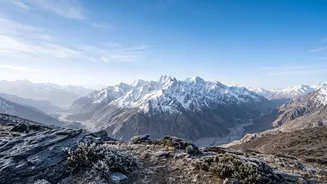
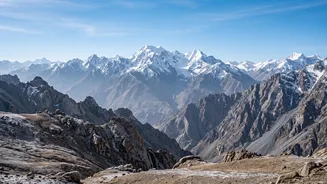
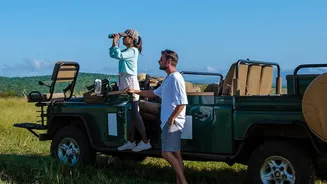
and High-Altitude Nature Conservation (SHAN) Society in collaboration with the Department of Forest, Ecology and Environment. Six specially designed, open-back safari vehicles were inaugurated by Lieutenant Governor Vinai Kumar Saxena. The initiative aims to provide a regulated and responsible way for visitors to experience Ladakh's unique ecosystem, which includes not just its most famous resident, the snow leopard, but also a wealth of other species. The safari initially operates in three key areas known for frequent sightings: Rumbak, Shang, and Uley. This structured approach is designed to curb issues like illegal off-roading, which can disturb the fragile environment and its inhabitants.
In Search of the 'Ghost of the Mountain'
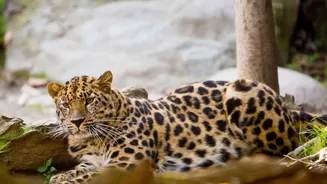
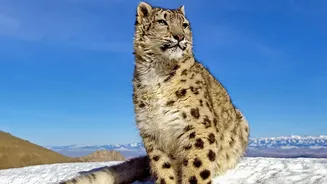
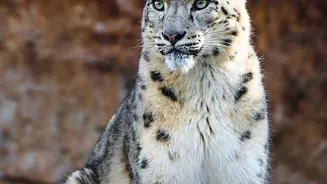
The star attraction is undoubtedly the snow leopard, often called the 'Ghost of the Mountain' due to its solitary nature and incredible camouflage. Ladakh is a critical habitat for this vulnerable species, hosting an estimated 477 of India's total population of 718. Unlike traditional safaris, tracking snow leopards is a test of patience and skill. It involves expert local trackers who scan the vast, rocky slopes for any sign of the cat—from tracks in the snow to the remains of a recent kill. The experience takes visitors deep into the Himalayan landscape, where the reward is a sighting that many wildlife enthusiasts consider a lifetime achievement. Besides the snow leopard, the region is a sanctuary for other fascinating high-altitude wildlife, including the Himalayan Brown Bear, Tibetan wolf, Asiatic ibex, and blue sheep (bharal), which are the leopard's primary prey. The area also boasts over 340 species of birds.
Conservation Through Community
This safari is more than just a tourist attraction; it's a community-centric conservation model. The administration has emphasized that the goal isn't just to increase tourist numbers but to create a system where local communities become active guardians of their environment. The drivers and guides leading the safaris are trained local youths, creating sustainable livelihood opportunities that are directly linked to wildlife preservation. This model turns the snow leopard from a perceived threat to livestock into a valued asset for the community. For years, organizations like the Snow Leopard Conservancy India Trust have worked to mitigate human-wildlife conflict by helping build predator-proof corrals and developing income sources like the award-winning Himalayan Homestays program. The new safari builds on this foundation, ensuring that economic benefits flow directly to the people who share their home with this magnificent predator.
Planning Your High-Altitude Expedition
A trip to see snow leopards requires careful planning. The best time for sightings is during the winter months, typically from November to April. During this period, the leopards and their prey descend to lower, more accessible valleys, increasing the chances of a successful trek. However, this also means facing extreme cold, with temperatures often dropping far below freezing. Acclimatization is crucial. Visitors will arrive in Leh (at an altitude of over 11,000 feet) and must spend a few days adjusting to the thin air before venturing into even higher safari zones, which can range from 2,750 to 5,000 metres. The safari itself is not a casual drive; it involves trekking and spending long hours with guides. While the official booking details and prices for the new government-backed safari are yet to be announced, the experience will be managed to ensure minimal disturbance to wildlife, with designated routes and regulated visitor numbers.