






The Kernel of Scientific Truth
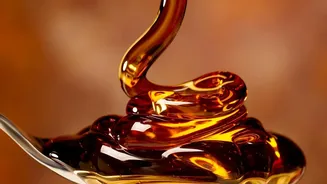
The excitement around maple syrup’s health benefits isn’t entirely unfounded. It stems from the presence of naturally occurring plant compounds called polyphenols. Pure maple syrup contains dozens of these antioxidant compounds, some of which have been
studied for their potential anti-inflammatory and disease-fighting properties. One unique polyphenol, discovered when maple sap is boiled into syrup, is even named Quebecol after the world’s largest maple-producing region. In laboratory and animal studies, some of these compounds have shown promise. For instance, research on mice suggested that maple syrup could have a positive effect on cholesterol levels and help prevent inflammation. These findings are the source of the health buzz, suggesting that maple syrup might offer more than just empty calories.
A Drizzle of Reality
Here’s the catch: while these compounds exist in maple syrup, their concentration is very small relative to the main ingredient—sugar. A single tablespoon of maple syrup contains about 12 grams of sugar and 52 calories. To consume a medically significant amount of these beneficial polyphenols, you would likely need to ingest a very large quantity of syrup, which would come with an unhealthy load of sugar. The promising studies showing cholesterol-lowering effects were conducted on animals or in a lab setting, and such results don't always translate to humans in the same way. No major clinical trials in humans have confirmed that a normal serving of maple syrup can actively lower cholesterol. So, while the presence of antioxidants is a nice bonus, it doesn't transform a high-sugar food into a health supplement.
How It Stacks Up to Other Sweeteners
When compared to refined white sugar, maple syrup does have a slight edge. Unlike table sugar, which offers virtually no nutrients, maple syrup contains essential minerals like manganese and zinc, and vitamins like riboflavin (B2). One tablespoon provides about a third of your daily value of manganese, which is important for bone health and metabolism. It also has a lower glycemic index (GI) than table sugar—around 54 compared to sugar’s 65. This means it raises blood sugar levels more slowly. However, it still raises blood sugar, and other sweeteners like agave have an even lower GI. Ultimately, all added sugars, whether from a tree or a sugar cane field, are treated similarly by the body and should be consumed in moderation.
Why You Won't See 'Lowers Cholesterol' on the Label
Health claims on food packaging are strictly regulated. In the United States, the Food and Drug Administration (FDA) has stringent rules about what can be said. A product cannot claim to diagnose, treat, or prevent a disease—like high cholesterol—without significant scientific evidence and formal approval. To be marketed as a “low cholesterol” food, a product must meet specific criteria, containing 20 milligrams or less of cholesterol and 2 grams or less of saturated fat per serving, among other rules. While pure maple syrup is naturally free of fat and cholesterol, making a direct claim that it lowers cholesterol is a much higher bar that it has not met. This is why you’ll see brands promote it as a “whole food” or a “natural sweetener,” but not as a medical treatment.