

Why Is Everyone Suddenly Obsessed?
Not long ago, matcha was a rare find, a specialty item in a few urban cafes. Today, it's a different story. According to Google Trends data, searches for “how to make matcha” have skyrocketed, signalling a shift from simply trying it to adopting it as a home
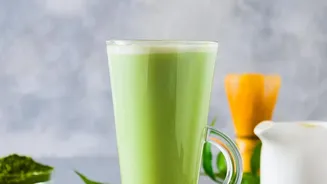
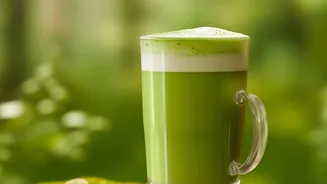
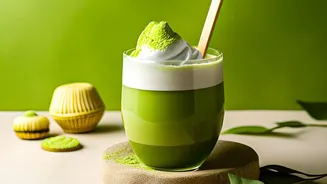
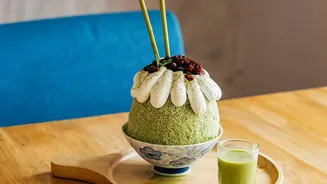
ritual. This green wave is driven by a blend of factors. Health-conscious consumers are drawn to its reputation as a superfood packed with antioxidants. For others, it's about the aesthetic; its bright green colour is incredibly photogenic, making it a star on Instagram and a symbol of the 'clean girl' lifestyle trend. Cafes have been quick to respond, with chains nationwide adding creative matcha drinks to their menus, from classic lattes to versions with coconut water or white chocolate.
More Than Just Green Tea
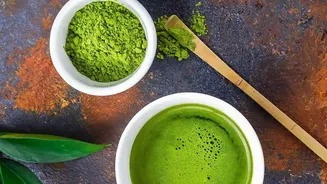
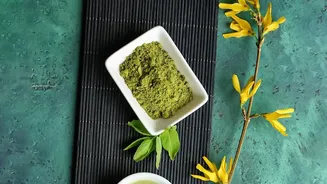
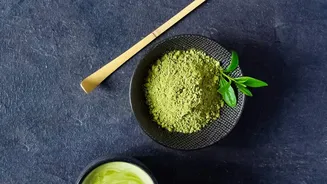
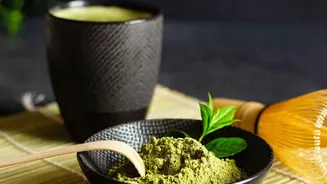
While matcha comes from the same plant as regular green tea (Camellia sinensis), its production is what sets it apart. The tea plants are shade-grown for about three to four weeks before harvest. This process increases chlorophyll and amino acid content, particularly L-theanine, giving matcha its vibrant green hue and unique umami flavour. After harvesting, the leaves are steamed, dried, and stone-ground into a fine powder. Unlike traditional tea where you steep and discard the leaves, with matcha, you consume the entire leaf. This means you get a more concentrated dose of all its beneficial compounds.
The Health Hype Explained
The curiosity around matcha's wellness benefits is a huge part of its growing fame. Searches for “matcha health” and “matcha protein” have also seen dramatic increases. Matcha is rich in catechins, a type of antioxidant that helps protect against cell damage. The standout component is L-theanine, an amino acid known for promoting a state of 'calm alertness' without the jitters often associated with coffee. This unique combination of caffeine and L-theanine can enhance brain function, improve focus, and reduce stress. Studies also suggest it may support heart health and metabolism, though it's best viewed as part of a balanced lifestyle rather than a miracle cure.
Choosing Your Matcha: Ceremonial vs. Culinary
As you start shopping, you’ll see two main grades: ceremonial and culinary. Ceremonial grade is the highest quality, made from the youngest tea leaves. It has a smoother, more delicate, and naturally sweet flavour. It's intended to be whisked with hot water and enjoyed on its own. Culinary grade is more robust and slightly more bitter, which allows its flavour to stand up against other ingredients. It’s more affordable and perfect for making lattes, smoothies, and for baking. For your first foray into making matcha at home, a good quality culinary or latte-grade powder is a great, versatile starting point.
A Simple Guide to Your First Cup
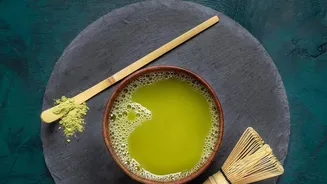
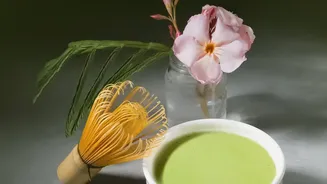
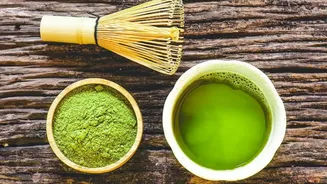
Making matcha at home is surprisingly easy and doesn't require a full traditional tea set. For a simple matcha latte, here’s what you need: 1. Sift the Matcha: Scoop 1-2 teaspoons of matcha powder into a small bowl or mug, passing it through a small sieve to remove any clumps. This is the secret to a smooth, non-powdery drink. 2. Create a Paste: Add about 2 ounces (around 4 tablespoons) of hot, but not boiling, water. Water around 175°F (80°C) is ideal to avoid a bitter taste. 3. Whisk It: Using a bamboo whisk (chasen) or a small electric milk frother, whisk vigorously in a 'W' or 'M' motion until the matcha is fully dissolved and a light froth appears on top. 4. Finish Your Latte: Fill a glass with ice and your milk of choice (oat and almond milk work especially well). If you prefer a sweeter drink, add a touch of honey or maple syrup. Finally, pour your whisked matcha shot over the milk, stir, and enjoy.