



The Soothing Power of Ginger
Ginger has been a cornerstone of traditional medicine for thousands of years, valued for its warming properties and ability to treat a wide range of ailments. The primary active compounds in ginger, such as gingerols, are known for their anti-inflammatory
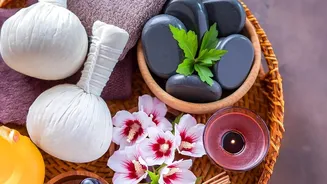
effects. When applied topically via a warm compress, ginger helps to stimulate blood flow to the area. This increased circulation can help relax tense muscles and ease the discomfort that comes from minor physical overexertion, making it a popular choice for everything from backaches to stiff joints.
How to Make a Ginger Compress
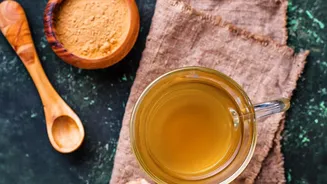
Creating your own ginger compress at home is simple. You will need a few basic items: a fresh piece of ginger root (about 3-4 inches), a grater, a large pot with water, a piece of cheesecloth or thin cotton, and a few small towels. 1. Start by grating the unpeeled ginger root. A golf-ball-sized amount is a good measure. 2. Place the grated ginger into the center of your cheesecloth or cotton fabric and tie it securely to create a small bundle. 3. Bring a large pot of water to a boil and then reduce the heat to a simmer. 4. Drop the ginger bundle into the hot water and let it steep for at least 5 to 10 minutes, allowing the potent compounds to infuse the water. The water will become cloudy and aromatic. 5. Turn off the heat. Your ginger-infused water is now ready for the compress.
Applying the Compress for Maximum Comfort
Proper application ensures you get the most out of your compress while staying safe. Dip a small, clean towel into the hot ginger water, being careful not to burn yourself. Wring out the excess liquid so the towel is damp but not dripping. Before placing it on the affected area, test the temperature to ensure it is comfortably warm, not scalding. Apply the warm towel to your sore muscles—whether it's your lower back, shoulders, or legs. To keep the heat in, you can cover the damp towel with a larger, dry towel. Leave the compress on for 15-20 minutes, or until it cools. You can re-soak the towel and repeat the process several times for sustained relief.
Best Practices and When to Use Caution
A ginger compress is best used for dull, achy muscles or stiffness resulting from minor, everyday activities. It is not intended for acute injuries like fresh sprains, which may benefit more from cold therapy initially. The main purpose of the ginger compress is to provide soothing warmth and promote relaxation. While generally safe, ginger can cause skin irritation in some people. It is always wise to perform a patch test by applying a small amount of the ginger water to your inner arm before using the compress more broadly. Do not apply the compress to broken skin, rashes, or areas with pre-existing inflammatory conditions like eczema without consulting a professional. The compress should feel pleasantly warm, never painfully hot.