






The Anatomy of a Food Myth
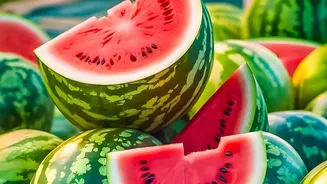
The theory behind eating fruit, especially fast-digesting ones like watermelon, on an empty stomach has been around for decades. Proponents claim that if you eat watermelon after a heavier meal, it gets 'stuck' in the stomach behind slower-digesting foods
like proteins and fats. According to this myth, the watermelon then begins to ferment or rot, causing gas, bloating, and digestive distress, while preventing your body from absorbing all its valuable nutrients. This idea stems from the fact that different foods digest at different rates. Watermelon, being about 92% water, is known to pass through the stomach very quickly, often in as little as 20-30 minutes.
How Your Stomach Actually Works
While the 'food traffic jam' theory sounds plausible, it doesn't quite align with how our digestive system is designed. The human stomach is a highly efficient and robust organ. It doesn't process food in neat layers, waiting for one to pass before starting on the next. Instead, when you eat a mixed meal, your stomach churns everything together with powerful acidic gastric juices. This acidic environment, with a pH between 1.5 and 3.5, is hostile to most bacteria and effectively prevents food from rotting or fermenting. While the fibre in fruit can slightly slow the rate at which food exits the stomach, this is generally a good thing. It promotes a feeling of fullness, which can help with managing calorie intake.
The Verdict: Is Mixing Okay?
For the vast majority of people, eating watermelon with or after a meal is perfectly fine. Your digestive system is more than capable of handling a mix of foods. The small intestine, which is where most nutrient absorption happens, is very long and has an enormous surface area, ensuring it can extract vitamins and minerals efficiently, regardless of what else is in your stomach. There is no scientific evidence to suggest that eating fruit with a meal negates its nutritional value or causes digestive chaos for the average healthy person. The body is built for complexity and can break down a varied diet simultaneously.
A Note for Sensitive Stomachs
While the myth is largely busted, there are exceptions. Individuals with pre-existing digestive issues, such as Irritable Bowel Syndrome (IBS) or fructose malabsorption, might experience discomfort. Watermelon is high in fructose and certain fermentable carbohydrates known as FODMAPs. For those with sensitivity, a large amount of fructose arriving in the gut can lead to fermentation by gut bacteria, causing symptoms like bloating, gas, and diarrhea. Similarly, consuming watermelon immediately after a very heavy, fatty meal could contribute to a feeling of excessive fullness or bloating for some. In these specific cases, timing your fruit intake might be beneficial, but it's a matter of personal tolerance, not a universal rule.
The Best Way to Enjoy Watermelon
Instead of worrying about timing, focus on enjoying watermelon for its immense benefits. It's an excellent source of hydration, packed with Vitamin C, Vitamin A, and the powerful antioxidant lycopene, which is great for skin and heart health. It also contains an amino acid called citrulline. You can enjoy it as a refreshing snack on its own, tossed in a salad with feta and mint, or blended into a cooling drink. If you are concerned about blood sugar, pairing fruit with a source of protein or healthy fat can help slow the absorption of sugar into the bloodstream. But for most, the key is simply to incorporate this delicious fruit into a balanced diet, whenever it suits you.