



Beyond the Root: A Nutrient Powerhouse
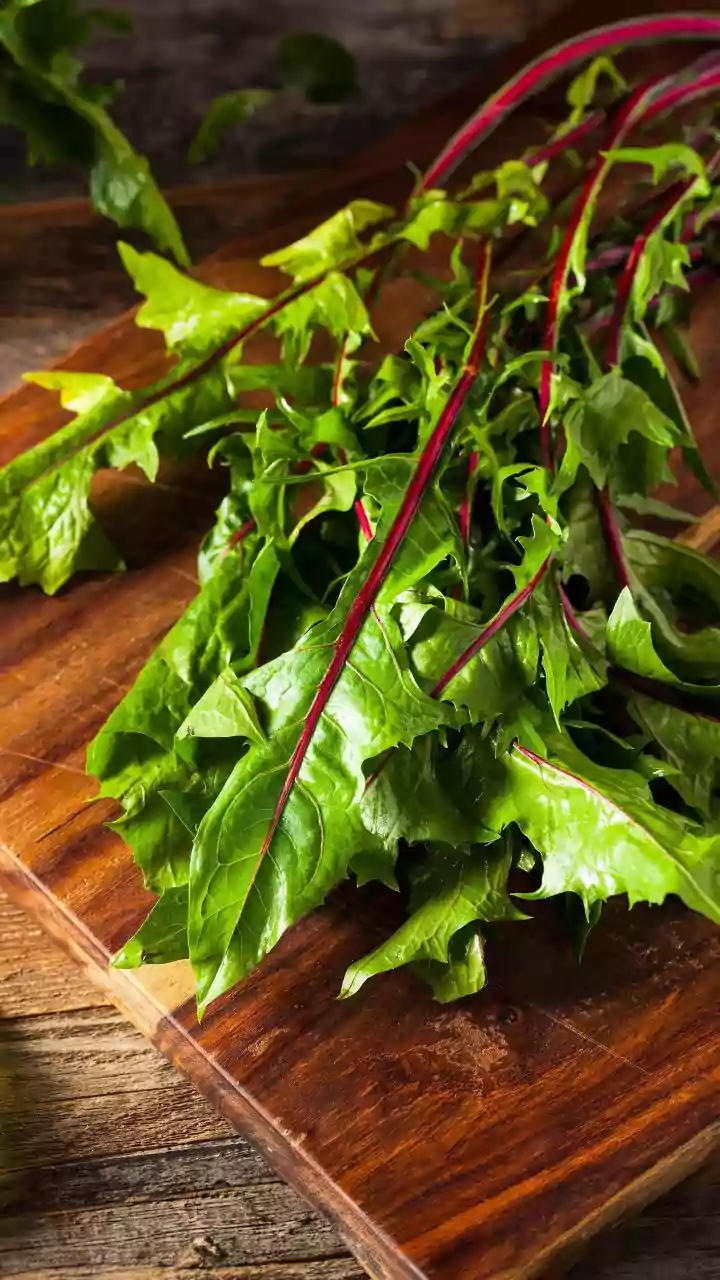
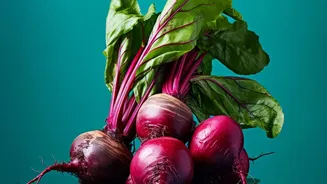
Before we get into specific health claims, it is important to understand what is actually inside beet greens. It turns out, the part of the plant many people discard is one of the most nutrient-dense. Beet greens are exceptionally rich in essential vitamins
and minerals. They are loaded with Vitamin K, which is vital for blood clotting and bone health, with a single cooked serving often providing well over the recommended daily intake. They are also an excellent source of Vitamin A, crucial for vision and immune function, and Vitamin C, a powerful antioxidant. On the mineral front, beet greens deliver a healthy dose of potassium and magnesium, both of which play key roles in everything from nerve function to blood pressure regulation. And they do all this while being very low in calories, making them a highly efficient way to get vital nutrients into your diet.
The Heart Health Connection
One of the most frequent claims made about beet greens revolves around heart health, and there is solid science to back this up. The benefits stem from two main components: nitrates and potassium. Beet greens, like their roots, are rich in dietary nitrates. In the body, these nitrates are converted into nitric oxide, a molecule that helps to relax and widen blood vessels. This process, known as vasodilation, improves blood flow and can help lower blood pressure. Secondly, the high potassium content in beet greens helps the body manage sodium levels. Since high sodium intake is a major contributor to hypertension, eating potassium-rich foods can help restore a healthier balance and support cardiovascular health.
Supporting Strong Bones and Healthy Eyes
The benefits do not stop with the heart. The huge amount of Vitamin K in beet greens makes them a fantastic food for supporting skeletal health. Vitamin K works in partnership with calcium to build and maintain strong bones, and studies have shown its importance in helping to prevent osteoporosis. Beyond bone strength, beet greens are also good for your eyes. They contain the antioxidants lutein and zeaxanthin, two compounds that are known to accumulate in the retina. These antioxidants act like internal sunglasses, helping to filter harmful high-energy blue light and protecting the eyes from oxidative stress that can lead to conditions like age-related macular degeneration.
The Reality Check: A Note on Oxalates
Now for the crucial part of the story that often gets left out of breathless superfood articles: oxalates. Beet greens are very high in these naturally occurring compounds. While oxalates are harmless for most people in moderation, they can be a significant problem for individuals who are susceptible to forming kidney stones, as the vast majority of stones are made from calcium oxalate. When you eat high-oxalate foods, the oxalates can bind with calcium in your digestive tract and, if absorbed into the body, can crystallize in the kidneys. For this reason, people with a history of kidney stones are often advised to limit their intake of high-oxalate foods like beet greens, spinach, and Swiss chard. If you are not prone to stones but are still concerned, simple preparation methods like boiling or steaming the greens and discarding the water can significantly reduce their oxalate content.
How to Make Them a Part of a Balanced Diet
Understanding both the benefits and the considerations allows you to enjoy beet greens responsibly. They have a flavor similar to Swiss chard or spinach and are incredibly versatile. You can sauté them with garlic and olive oil for a simple side dish, chop them raw into salads for a nutrient boost, or blend them into smoothies. One of the easiest ways to use them is to simply cook them along with the beetroots. By treating them as a valuable ingredient rather than food waste, you gain access to a wealth of nutrients that would otherwise be lost. The key is variety. No single food, no matter how nutritious, can provide everything your body needs.