


The Solo Cooking Dilemma
If you live alone, you know the script. You buy a beautiful bunch of fresh spinach for one recipe, only to watch the rest of it wilt in the fridge. You make a standard recipe for dal or curry and end up eating it for four consecutive days. The modern
grocery store often isn't set up for a single-person household; produce is pre-packaged for families and meat is sold in multi-portion trays. This can lead to a cycle of over-buying, food waste, and spending more money than necessary. Eventually, it’s easy to feel like cooking a proper meal is more trouble than it’s worth, leading to more takeout and less control over what you eat. But it doesn’t have to be this way. Shifting your mindset can transform solo cooking from a chore into a creative and rewarding practice.
Embrace the Art of the Half-Batch
One of the most effective strategies is to master the half-batch. This sounds simple, but it’s a game-changer. Most recipes online and in cookbooks are designed to serve four to six people. Instead of making the full amount, simply divide every ingredient by two. Soups, stews, curries, and pasta dishes are incredibly forgiving and easy to halve. For baking, which is more of a science, it’s best to start with simple recipes like cookies or brownies. When halving a recipe, it’s crucial to do the math before you start cooking and write down the new measurements. It’s also wise to use smaller cookware. A smaller pan will prevent your food from spreading out and cooking too quickly. Remember to adjust your cooking time as well; a smaller volume of food will often cook faster, so start checking for doneness earlier than the original recipe suggests.
The Power of Shared Ingredients
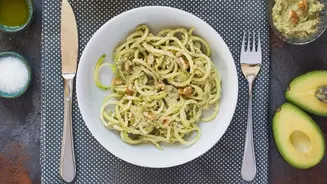
The second key principle is planning your meals around shared, versatile ingredients. Instead of planning seven distinct meals with seven unique shopping lists, think about creating a small 'meal pool' for the week based on a few core items. For instance, if you buy a head of cauliflower, you can use it in several ways: roast one half for a side dish, use the other half in a mixed vegetable stir-fry, and even pulse some into 'rice' for a low-carb meal. A single bunch of coriander could be used in a dal, a chutney, and a salad dressing. This approach, known as ingredient overlap, drastically reduces the chances of anything going to waste. Before you even make a grocery list, shop your own kitchen first. Plan one or two meals around ingredients you already have on hand, like that can of chickpeas in the pantry or the frozen vegetables you forgot about.
Build a Flexible Pantry
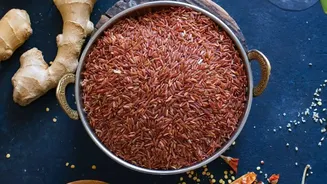
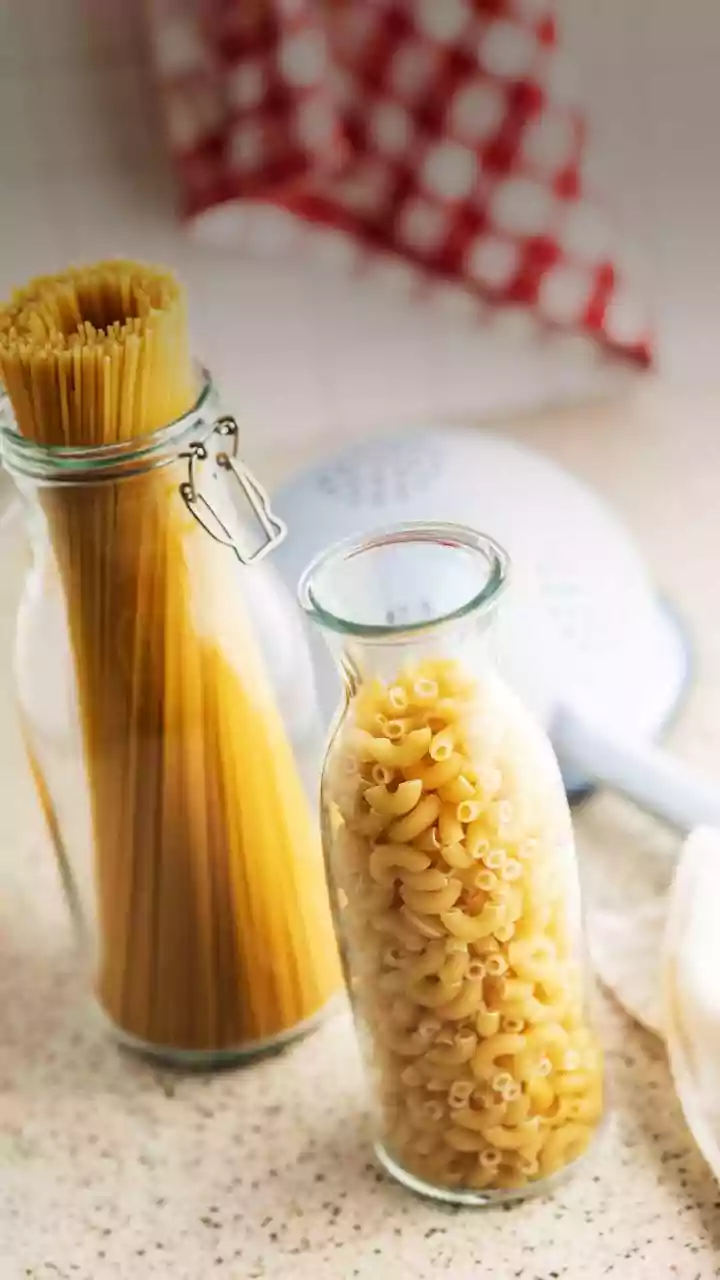
A well-stocked pantry is a solo cook's best friend. Having a solid base of non-perishable staples means you only need to buy a few fresh items each week to create a variety of meals. Key items to keep on hand include rice, pasta, lentils, and canned beans. A good selection of spices, onions, garlic, and ginger can form the flavour foundation for countless dishes. Consider versatile condiments and pastes like soy sauce, miso, or mustard that can elevate a simple meal. Don’t forget the freezer. It’s an invaluable tool for a person cooking for one. Frozen fruits and vegetables are just as nutritious and allow you to use exactly the portion you need without worrying about spoilage. You can also freeze single portions of soups, stews, or even bread to ensure you always have a quick meal ready to go.
Shop Smarter, Not Harder
Your success starts at the grocery store. Armed with a plan built on shared ingredients, you can navigate the aisles with purpose. When possible, buy loose produce instead of pre-packaged bags so you can get the exact quantity you need. Make strategic use of the deli, butcher, and salad bar counters, where you can often buy single portions of meat, cheese, or prepared vegetables. The bulk bins are also excellent for buying small, precise amounts of grains, nuts, spices, and dried fruit, which minimizes both waste and cost. Finally, consider changing your shopping rhythm. Instead of one massive weekly shop, you might find that a smaller main trip plus a quick mid-week stop for fresh items works better. This keeps your kitchen stocked with fresh ingredients without overwhelming you with food that might spoil.