


The Soul of a Sindhi Breakfast
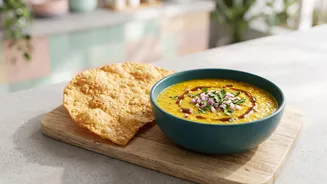
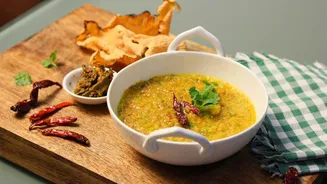
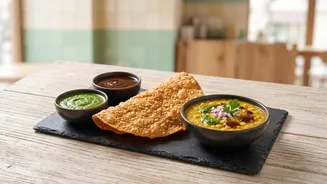
For the uninitiated, Dal Pakwan is a cornerstone of Sindhi cuisine, a hearty and beloved breakfast that has graced family tables for generations. At its heart, it’s a study in satisfying contrasts. The dish features a simple, comforting dal made from
chana dal (split Bengal gram), cooked until tender but not mushy, with each grain holding its own. This warm, mildly spiced lentil curry is served alongside 'pakwan'—a large, crisp, deep-fried flatbread made from flour and seasoned with hints of ajwain (carom seeds) and cumin. The experience is a textural delight: the crunchy, cracker-like pakwan is used to scoop up the soft, flavourful dal, creating a perfect bite every time. Traditionally, it’s a symbol of community and leisurely Sunday mornings.
Enter the Street-Style Reinvention
While the classic Dal Pakwan holds a special place, its recent evolution into a street-food star is where things get exciting. Vendors and modern chefs are deconstructing and reassembling the dish to appeal to a faster-paced, contemporary palate. This “street-style” twist often involves serving the components in a more layered, chaat-like fashion. Instead of a simple dal and a whole pakwan on the side, you might find crushed pakwan pieces forming a base, generously topped with the dal, and then loaded with a vibrant medley of garnishes. One popular variation in places like Ulhasnagar even involves a mix of three different dals—chana dal, moong dal, and whole moong beans—creating a more complex flavour profile on a single plate. This approach transforms the dish from a sit-down meal into a dynamic, multi-layered explosion of taste and texture that can be eaten on the go.
The Trinity of Taste: Chutneys Take Center Stage
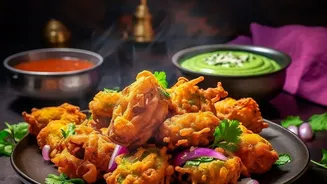
In the traditional preparation, chutneys are polite accompaniments. But in the street-style version, they are the main event, providing the crucial context and 'twist' the headline alludes to. The success of this modern take hinges on a trio of essential chutneys that drench the dal and pakwan in layers of flavour. First is the Hari Chutney (green chutney), a fiery, herbaceous blend of coriander, mint, and green chillies that cuts through the richness with its fresh, zesty punch. Next comes the Meethi Chutney (sweet chutney), often a tamarind and date concoction, which adds a tangy and sweet counterpoint that balances the spice. The third, and sometimes optional, player is a Lahsun Chutney (garlic chutney), a pungent and powerful paste that adds a deep, savoury note. Together, these chutneys transform the humble dal and pakwan into a complex, crave-worthy dish, where every spoonful offers a different combination of spicy, sweet, tangy, and savoury.
More Than Just a Condiment
The elevated role of chutneys in this new-age Dal Pakwan speaks to a broader truth in Indian cuisine: chutneys are never just an afterthought. They are integral flavour enhancers, capable of turning a simple meal into something extraordinary. Originating in Ayurvedic traditions as digestive aids, they have evolved over millennia into a diverse culinary art form. In the context of street-style Dal Pakwan, they do more than add flavour; they add moisture, complexity, and a visual appeal that makes the dish utterly irresistible. The chutneys bridge the gap between the earthy dal and the crisp pakwan, binding all the elements together. They are the sauce, the seasoning, and the soul of this reinvented classic.