








Mustang Models Under Scrutiny
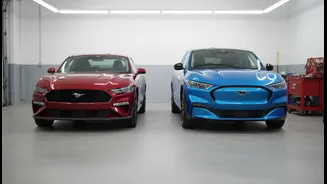
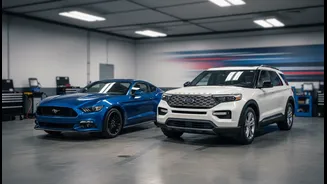
Ford has initiated two separate recalls affecting over 110,000 Mustang models in the United States. The larger of the two campaigns covers approximately 67,842 gas-powered Mustangs from the 2024-2026 model years, including the high-performance GTD. The issue
stems from a potential windshield wiper malfunction in cold weather. According to documents filed with the National Highway Traffic Safety Administration (NHTSA), the wiper motor may lose communication with the vehicle's control module, causing the wipers to function only on the high-speed setting and disabling the washer system. A separate campaign targets 42,784 Mustang Mach-E electric SUVs from the 2021-2023 model years. This recall addresses a defect in the rear differential that could cause the pinion shaft to fracture. Such a failure could lead to a sudden loss of driving power or allow the vehicle to move unintentionally if parked without the parking brake engaged. Ford has stated it is not aware of any accidents or injuries related to either Mustang recall. Dealers will inspect and repair the affected components free of charge.
Explorer and Nautilus Hybrids Recalled Again
In a separate and particularly notable action, Ford is recalling over 66,000 hybrid SUVs because a previous recall fix proved insufficient. The campaign affects certain 2025-2027 Ford Explorer Hybrid and 2024-2027 Lincoln Nautilus Hybrid models. These vehicles are required to emit a pedestrian warning sound at low speeds while operating in electric mode. A software error can prevent this sound from being produced. What makes this recall unusual is that many of the vehicles involved had already been serviced for the same problem under a previous campaign. Owners began reporting that the warning system had failed again even after the initial software update was applied. Ford's investigation revealed a more complex software problem than first diagnosed, necessitating a second round of repairs.
A Persistent Pattern for the Automaker
These latest announcements are part of a broader, multi-year trend that has positioned Ford as the most-recalled automaker in the United States. So far in 2026, Ford has issued 56 separate recall campaigns, significantly more than its closest competitors. This follows a record-setting 2025, when the company issued 153 recalls covering nearly 13 million vehicles. The sheer volume of recalls has become a major challenge for the company, impacting everything from its financial performance to its brand reputation. Recalls in 2026 have already touched millions of vehicles, including a massive campaign affecting over 740,000 trucks and SUVs for a transmission issue that could lead to a rollaway risk.
The Paradox of Quality and Quantity
Ironically, Ford's recall surge comes at a time when the company has shown signs of improving initial quality. J.D. Power recently named Ford the top mass-market brand in its 2026 U.S. Initial Quality Study, which measures problems reported by owners in the first 90 days. Ford CEO Jim Farley has acknowledged the paradox, stating that while he is proud of the initial quality award, the company has significant work to do on long-term durability and reducing recalls. The company argues that the high number of recalls reflects a more proactive approach to identifying and fixing potential safety issues. However, the constant stream of safety notices, the complexity of modern vehicle software, and repeated recalls for the same issue suggest a deeper challenge within its engineering and quality control processes. For now, the automaker remains under a microscope as it attempts to get control of its quality issues.