



The Offer That Captured the World’s Attention
In the province of Soria, a region sometimes compared to the empty expanses of Lapland, the small village of Arenillas put out a call. With a dwindling population of just a few dozen permanent residents, the local council and cultural association decided
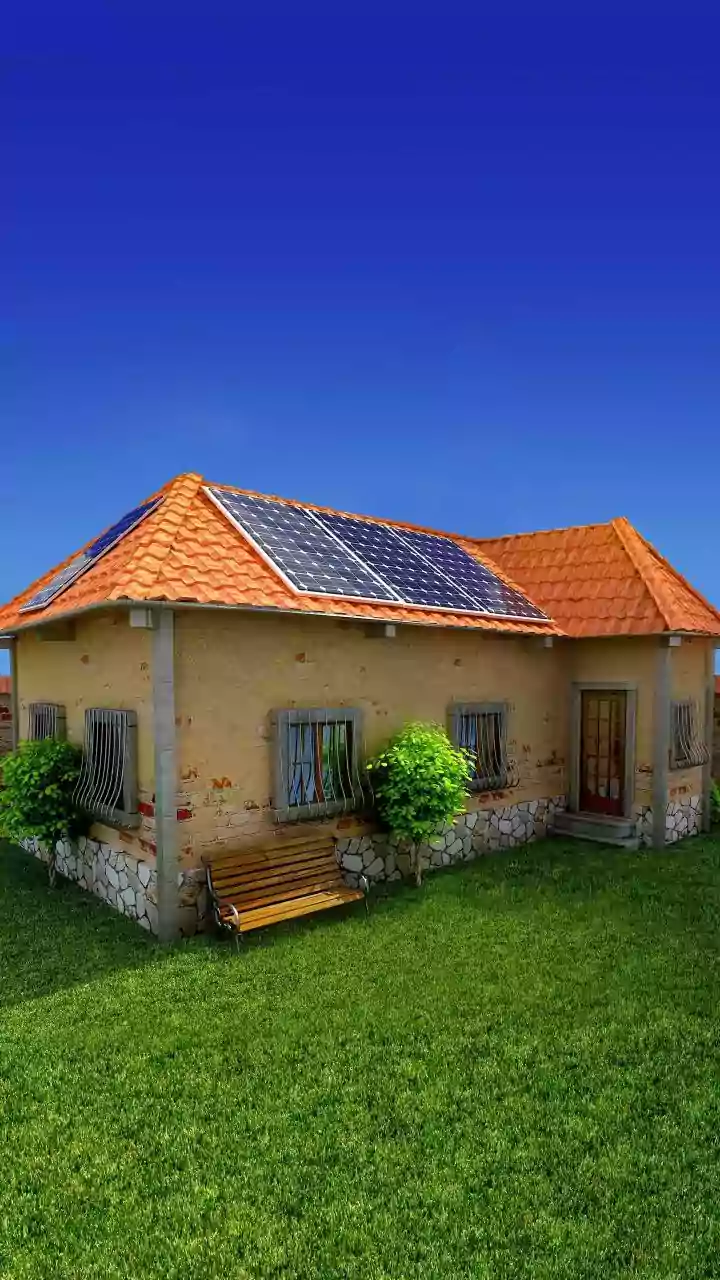
to take a bold step to secure their community's future. They advertised an incredible package: a rent-free, renovated home and a guaranteed job. The role involved maintenance and construction work for the village, with the added possibility of managing the local community bar—the social heart of the town. For families with children, the deal was even sweeter, including free school transportation to a neighbouring town, since Arenillas's own school had closed decades ago. The offer was a direct and desperate attempt to attract new life, new energy, and most importantly, new residents willing to commit to the village year-round.
A Global Flood of Applicants
The response was immediate and staggering. Word of the offer in Arenillas spread like wildfire across the internet. What the village council likely hoped would attract some local or national interest quickly became a global phenomenon. Within a week, over a hundred families had formally applied for the single position. The story became a viral sensation, leading to thousands of inquiries from people all over the world, all dreaming of a fresh start in the Spanish countryside. The sheer volume of interest highlighted a widespread, almost universal yearning for a different pace of life—one with a stronger sense of community, less financial pressure, and a closer connection to place. It wasn't just about a free house; it was about the possibility of a completely different existence, away from the hustle and high costs of modern city living.
The Real Story: 'España Vaciada'
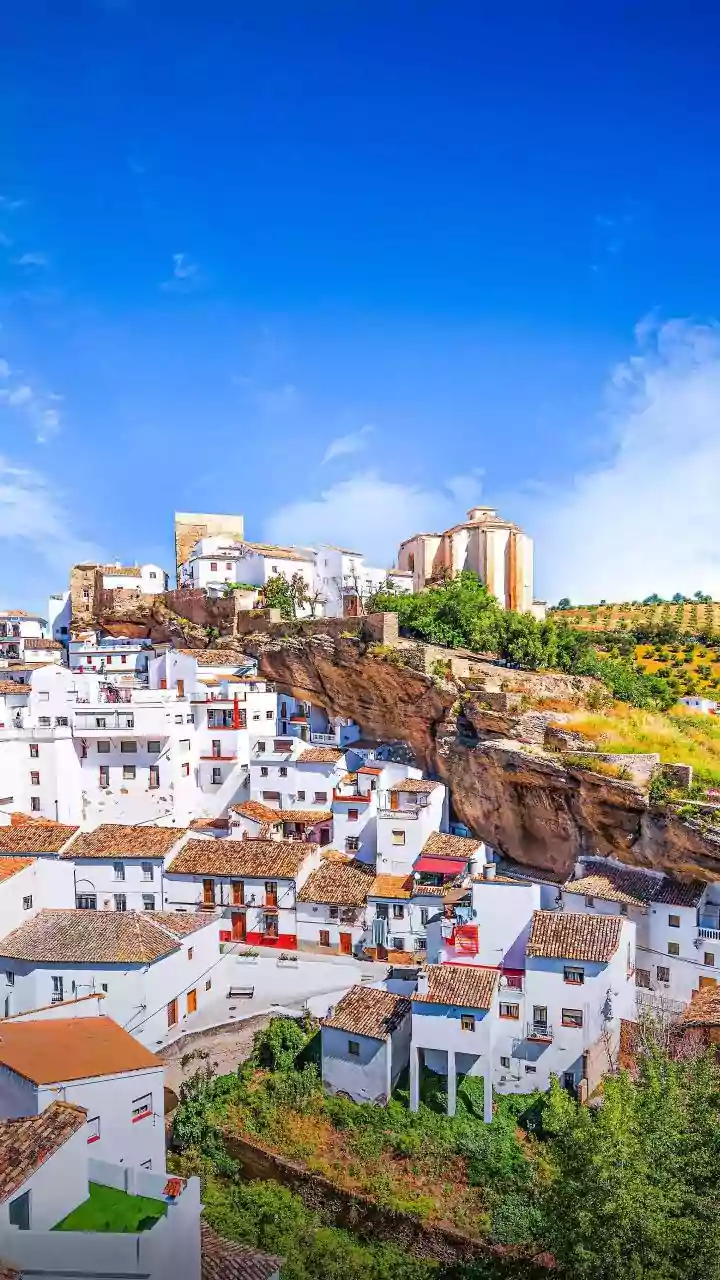
The story of Arenillas is not an isolated one. It is a potent example of a much larger national crisis known as 'España Vaciada', or 'Empty Spain'. This term describes the vast inland regions of the country that have been systematically losing their populations for decades as younger generations move to cities like Madrid or coastal hubs for education and jobs. As a result, hundreds of villages face the threat of becoming ghost towns, with aging populations, shuttered businesses, and crumbling infrastructure. By 2026, many municipalities are considered at risk of disappearing entirely. In response, local and regional governments have started implementing 'integrated revitalization' programs. Unlike simply giving away property, these initiatives cleverly link rent-free housing directly to essential local jobs, ensuring that newcomers don't just occupy a house but actively contribute to the village's survival.
A New Model for Rural Revival?
Arenillas is not alone in its fight. Across Spain, dozens of other villages are making similar offers, from monthly subsidies in Rubía to cheap land in Olmeda de la Cuesta. These programs are not a free-for-all; they are highly targeted. Most prioritise families with children to help keep local schools open. Applicants need to have the legal right to work in Spain, as these schemes are not a route to a visa. The goal is to find people genuinely committed to rural integration, not just those looking for a cheap holiday. Furthermore, the rise of remote work has become a powerful ally in this fight. With improving internet access in rural areas, Spain hopes to attract a new generation of digital nomads and entrepreneurs who can bring economic activity to these forgotten corners of the country, turning empty houses back into vibrant homes and communities.