


The Engine for Change: A Costly EV Future
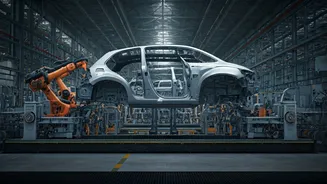
The global auto industry is undergoing its most significant transformation in a century, pivoting from combustion engines to electric vehicles (EVs). This shift requires colossal investment in battery technology, software, and new manufacturing processes.
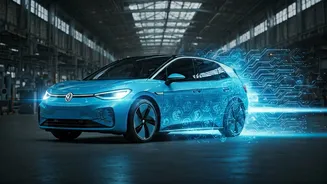
Volkswagen has committed to a profound transformation, earmarking tens of billions of euros for electrification and digitalization. However, this future is expensive, and the company is reportedly undergoing a radical restructuring to streamline operations and free up capital, which could involve significant job cuts and plant closures. To finance this pivot, Volkswagen is looking at its most valuable assets: its portfolio of high-performance luxury brands. A company spokesperson has noted that the group is pursuing a restructuring of its business architecture, as its old model is no longer sustainable.
Which Brands Are In Play?
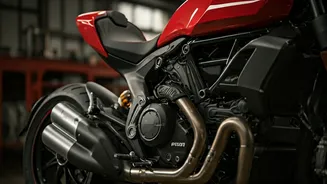
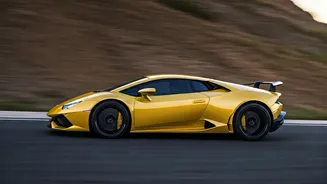
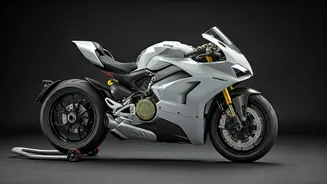
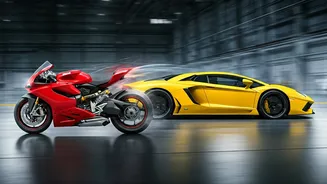
The conversation involves some of the most prestigious names in motoring. The successful Initial Public Offering (IPO) of Porsche in 2022 served as a key strategic move, demonstrating a path to unlock value while retaining control. Following this, fresh speculation has centered on other jewels in the VW crown. Recent reports suggest consultants are evaluating further divestitures, with Lamborghini and the motorcycle brand Ducati being prominent names. The moves could take different forms. For Lamborghini, a partial IPO is being considered, which would allow Volkswagen to raise significant funds by selling shares to the public while maintaining control through its Audi subsidiary. For Ducati, an outright sale is being discussed. This follows the recent sale of Porsche's stake in Bugatti Rimac, officially ending Bugatti's 28-year chapter within the VW Group.
Unlocking Billions in Hidden Value
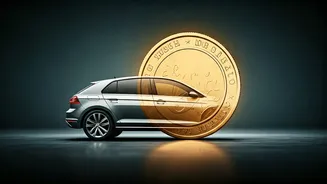
A key driver for these potential moves is the concept of unlocking shareholder value. Often, the true market worth of individual luxury brands is suppressed within a massive conglomerate like Volkswagen Group. Analysts have pointed out the stark discrepancy where the combined value of VW's stakes in Porsche and its truck unit, Traton, at times exceeded the entire market capitalization of the parent company. An IPO, as seen with Porsche, crystallizes the brand's standalone value, providing a direct and often substantial cash injection. For example, while Audi acquired Lamborghini for around $110 million in 1998, some analysts now value the Italian supercar maker at over $22 billion. By listing a portion of such a brand, VW can access a significant portion of this value to reinvest in its core strategic priorities.
Navigating a Complex Path Forward
Executing such major ownership changes is not a simple task. The Volkswagen Group has a complex stakeholder structure, including the powerful Porsche and Piëch families, the German state of Lower Saxony, and strong labor unions, all of whom hold significant influence. Any major decision, such as a spin-off, requires broad approval and can be met with resistance, particularly from labor representatives concerned about job security and the dilution of the group's assets. Analysts note that while selling consistently profitable brands might seem counterintuitive, the immense pressure to fund the EV transition and compete with new players from China and the US is forcing the company to reconsider long-held strategies. The recent multi-billion dollar investment in American EV startup Rivian for software expertise further underscores VW's urgency to adapt and its willingness to spend heavily to do so.