





Beyond the Alphonso Reign
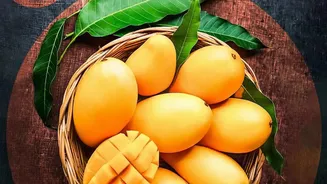
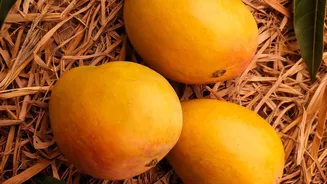
When people think of Indian mango exports, the conversation almost always starts and ends with the Alphonso. Renowned for its creamy texture and unparalleled sweetness, the Alphonso from Maharashtra and other western regions dominates the peak export window
from March to May. However, this reliance on a single, albeit magnificent, variety creates a concentrated and short-lived export season. Once the monsoons arrive in June, the Alphonso season winds down, leaving a potential void in the global market. This is where the strategic importance of other, less-heralded varieties comes into play, offering a way to keep Indian mangoes on international shelves for longer.
Meet the Late-Season Stars
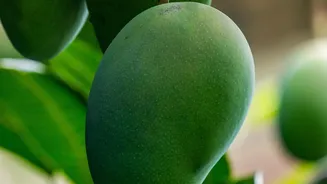
Enter Neelam and Totapuri, two varieties primarily from the southern states of India like Karnataka, Andhra Pradesh, and Tamil Nadu. Unlike the early-season Alphonso, Neelam and Totapuri are harvested later, typically from late June through July, and sometimes even into August. The Neelam is celebrated for its rich, sweet, and aromatic pulp with subtle tangy notes. Totapuri, easily recognised by its parrot-beak shape, offers a different profile: a firm, less fibrous flesh with a distinct sweet-and-sour taste, making it exceptionally versatile. While Neelam is excellent for fresh eating and juices, Totapuri's firm texture and tangy flavour make it a favourite for processing into pulp, pickles, and chutneys.
The Critical Timing Advantage
The "new timing advantage" is simple yet powerful: these varieties get to market when the prime Alphonso season is over. By harvesting in June and July, Neelam and Totapuri extend India's mango export window, allowing the country to cater to international demand for an additional one to two months. This sustained presence is crucial. It prevents other mango-producing countries from capturing the market share left vacant after the Alphonso supply dwindles. Instead of a short, intense burst, India can offer a more consistent supply, strengthening relationships with global importers and keeping consumers engaged with Indian produce for the better part of the summer.
Unlocking New Economic Potential
This extended season translates directly into economic benefits. A recent, first-ever air shipment of Neelam and Totapuri mangoes from Karnataka to the Maldives, facilitated by the Agricultural and Processed Food Products Export Development Authority (APEDA), highlighted this potential. The farmers associated with the Farmer Producer Company (FPC) that sourced the fruit earned over 50% higher returns compared to selling in domestic markets. By connecting farmer collectives directly with exporters, these initiatives are creating more organised and profitable supply chains. This move not only diversifies India's mango export basket but also empowers farmers by giving them access to lucrative international markets beyond the peak season. Furthermore, it encourages the participation of new entrepreneurs, including women, in the agri-export ecosystem.
Overcoming Supply Chain Hurdles
Despite the opportunity, exporting these late-season varieties is not without its challenges. India's mango export potential has long been hampered by logistical issues, including gaps in the cold chain, high freight costs, and complex quality standards. Maintaining the quality of perishable fruits like mangoes from the farm to international consumers requires robust infrastructure, including pack houses and reliable, temperature-controlled transport. The reliance on expensive air freight to ensure freshness is a significant cost factor. However, the success of initiatives like the shipment to the Maldives demonstrates that with focused efforts from bodies like APEDA and the involvement of FPCs, these hurdles can be overcome, paving the way for more consistent and widespread exports of late-season mangoes.