





The Hidden Physics of Wind
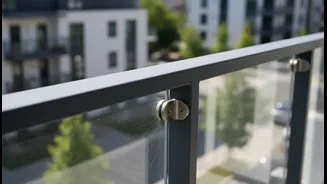
A balcony railing without a screen allows wind to pass through its posts and spindles with minimal resistance. However, when you attach a solid or dense mesh screen, you fundamentally change the dynamic. You've essentially created a sail. Instead of air
flowing freely, it now pushes against the entire surface area of the screen. This pressure, known as wind load, is then transferred directly to the railing and its anchor points. The force can be immense, especially during storms or on higher floors where wind speeds are greater. A strong gust doesn't just push; it can also create suction and lift forces that pull and twist the railing in ways it was never engineered to resist. This constant or sudden pressure can fatigue the railing's materials, loosen its connections, and ultimately lead to a catastrophic failure.
Is Your Railing Strong Enough?
Most residential railings are designed with safety in mind, but primarily to prevent people from falling. Building codes, like the International Residential Code (IRC), typically require railings to withstand a concentrated force of 200 pounds applied to the top rail. This simulates a person leaning or falling against it. However, this is very different from the sustained, widespread pressure exerted by wind on a large screen. The force from wind can easily exceed this 200-pound standard, especially across a wider balcony. Before even considering a screen, you must assess your railing's condition. Is it securely mounted to the building's structure? Check for rust, rot (on wooden railings), loose fasteners, or any signs of wobbling. A railing that is already compromised is a disaster waiting to happen once a windscreen is added.
Not All Screens Are Created Equal
The material of your windscreen is the most critical factor in managing wind load. Avoid solid, impermeable materials like vinyl tarps or thick plastic sheeting at all costs. These block 100% of the wind, maximizing the pressure on your railing. The safest choice is a breathable, mesh-like fabric specifically designed for this purpose. Look for materials made from knitted high-density polyethylene (HDPE). These are often sold with a blockage percentage, such as 70% or 80%. An 80% blockage screen still provides significant privacy while allowing 20% of the air to pass through, dramatically reducing the overall force. This permeability is key to preventing the screen from acting like a sail and overwhelming the railing's structural limits.
Smart Installation is Safe Installation
Proper installation is just as important as material choice. The goal is to secure the screen firmly without creating excessive tension or weak points. Use UV-resistant cable ties or specialised fasteners designed for outdoor use. Secure the screen at every grommet, typically spaced every 12 to 24 inches, to distribute the load evenly across the entire railing structure. Do not pull the screen excessively taut like a drum. A tiny amount of slack allows the material to flex and absorb some of the wind's energy, which can help prevent tearing at the grommets. Some experts suggest using a combination of fasteners with different strengths, placing weaker ties at the top so they can act as a breakaway point in extreme winds, preventing the entire railing from being pulled down.
Red Flags: Spotting a Dangerous Setup
Once your screen is installed, and even when observing others, you should know the warning signs of an unsafe system. Be wary if you see a railing that is visibly bowing or leaning. Listen for sounds of creaking or groaning from the railing during windy conditions. Check the anchor points where the railing attaches to the building; any visible gaps, cracks in the surrounding masonry, or loose bolts are major red flags. Look for grommets that have torn through the screen material or fasteners that have snapped, as this indicates the system is under extreme stress. If you spot any of these signs, the screen should be removed immediately until the railing's integrity can be professionally assessed and, if necessary, repaired and reinforced.