







What Is the New E10 Proposal?
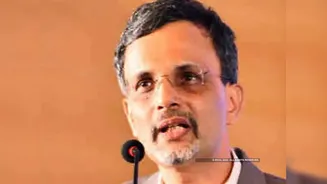
India's Chief Economic Adviser, V Anantha Nageswaran, along with a consultant from the Department of Economic Affairs, recently proposed that the government should restore the option of E10 petrol at fuel pumps. This comes as India has transitioned to making
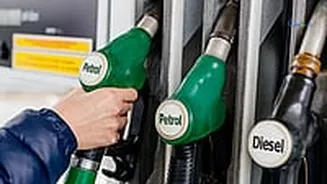
E20—petrol blended with 20% ethanol—the standard fuel nationwide to reduce oil import dependency and cut emissions. The proposal suggests offering E10 (10% ethanol blend) alongside E20, creating a two-fuel system. This would allow owners of newer, E20-compatible vehicles to continue using the higher blend, while providing a safer alternative for millions of older vehicles not designed for it.
The Problem for Older Engines
The primary driver for this proposal is the growing concern over the impact of E20 fuel on older vehicles. Many vehicles manufactured before 2023 were designed to be compatible with E10 fuel at most. According to Nageswaran, India has between 75 to 80 million older two-wheelers that use carburettors. These engines cannot automatically adjust the air-fuel mixture to account for the higher oxygen content in E20, causing them to run hotter and less efficiently. Furthermore, ethanol is corrosive and can degrade older rubber seals and fuel lines that are not rated for high ethanol concentrations. While replacing these parts is relatively inexpensive, retrofitting millions of vehicles would take years, making a readily available, compatible fuel like E10 a practical solution to protect the existing fleet.
The 'Food vs. Fuel' Trade-Off
Beyond vehicle mechanics, the proposal highlights a much larger national dilemma: the 'food versus fuel' debate. India's ethanol is primarily produced from food sources, mainly sugarcane and grains like maize and rice. The push for higher ethanol blending has been successful, helping India meet its E20 target ahead of schedule. However, this success comes with trade-offs. It creates competition for resources like land and water and can impact food security. For instance, diverting sugarcane to ethanol production can tighten domestic sugar supplies and affect prices. Similarly, using maize and rice for fuel puts pressure on supplies needed for human consumption and animal feed. The CEA's paper urges policymakers to carefully evaluate these costs before pushing for blends beyond 20%.
Why Not Just Stick with E20?
The government's push for E20 has clear benefits, including reduced dependency on crude oil imports, lower carbon emissions, and increased income for farmers. Officials have also noted that extensive testing has not shown widespread engine damage in compatible vehicles. However, the realities of India's vehicle fleet, where millions of older cars and bikes remain in use, present a significant challenge. Consumers have voiced concerns about reduced mileage—as ethanol has a lower energy density than petrol—and increased maintenance costs. The government has previously been hesitant to offer multiple fuel blends due to the logistical and financial challenges of distribution and storage. The new proposal argues that the benefits of calming public concern and protecting the vast number of existing vehicles outweigh these logistical hurdles.