




The Unique Charm of Biscoff
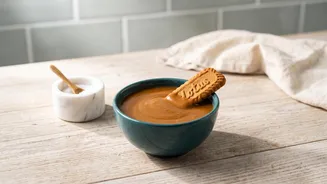
First, let's appreciate what makes Biscoff so special. Originating in Belgium, these speculoos cookies have a distinctive taste that’s hard to pin down but easy to love. The flavour comes from a masterful baking process where sugar is carefully caramelised,
creating a deep, slightly butterscotch-like sweetness. This is layered with warm spices, most notably cinnamon. This combination of deep caramel and gentle spice is precisely why it has become a global phenomenon, moving from a simple coffee companion to a star ingredient in countless desserts. However, that signature sweetness, while delicious, can sometimes be overwhelmingly one-dimensional. That's where a little culinary magic comes in.
The Simple Science of Sweet and Salty
It might sound counterintuitive to add salt to something you want to taste sweeter, but there's solid science behind it. Our taste buds are complex, and flavours don't exist in isolation. Salt has a fascinating ability to suppress our perception of bitterness. By blocking bitter signals, salt effectively 'unmasks' the sweet notes in food, allowing them to shine more brightly. But there's more to it. Research has identified specific receptors on our tongue that explain this phenomenon. One key player is the sodium-glucose cotransporter 1, or SGLT1. This protein, found in our sweet-tasting cells, essentially uses sodium (from salt) to help transport glucose (sugar) into the cells. When both salt and sugar are present, this pathway is activated, sending a more intense 'sweet' signal to your brain. So, a pinch of salt doesn't just add contrast; it actively amplifies the sweetness you perceive.
How to Perfectly Salt Your Biscoff
Ready to try it? The key is moderation. You're not trying to make your Biscoff taste salty, but rather to enhance its existing flavours. The type of salt you use also matters. While standard table salt can work if mixed in, its fine grains can dissolve too quickly and sometimes impart a metallic taste. For a far better experience, opt for a flaky sea salt, like Maldon, or a fine sea salt. These have a cleaner taste and their crystalline structure provides a delightful textural contrast. For Biscoff spread on toast or fruit, simply add a tiny sprinkle of flaky salt over the top. The little crunches of salt create pops of flavour that cut through the richness. If you're mixing the spread into a recipe, like a frosting or a dip, stir in a very small amount of fine sea salt—start with less than you think you need and taste as you go.
Elevating Biscoff Desserts
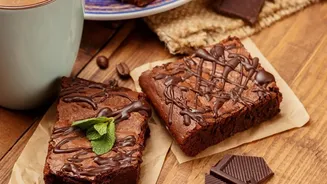
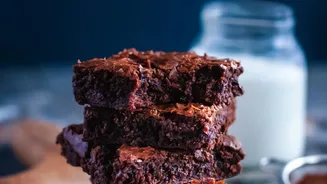
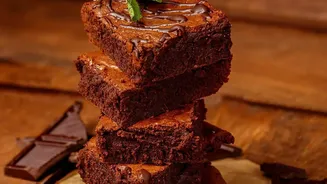
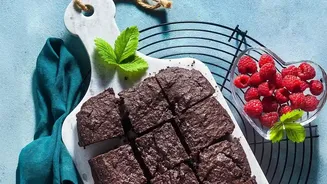
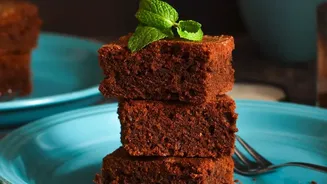
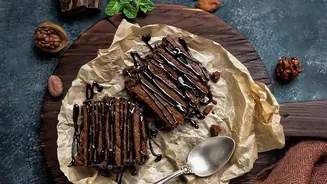
This principle is a game-changer for Biscoff-based baking. Many recipes for Biscoff cheesecakes, brownies, and cookies already call for salt in the batter, and now you know why it's so essential for balancing the flavour. You can take it a step further. When making a Biscoff cheesecake, consider using a crust made with salty pretzels instead of just Biscoff cookies. For Biscoff cookies or brownies, a final sprinkle of flaky sea salt on top just before or after baking adds a professional touch and a perfect flavour balance. Another trick is to pair your Biscoff creation with another salted component. A drizzle of homemade salted caramel sauce, for instance, can tie all the flavours together beautifully, with the salt in the caramel serving the same purpose of enhancing the sweet, spiced notes of the cookie butter.