






The Promise of Precision
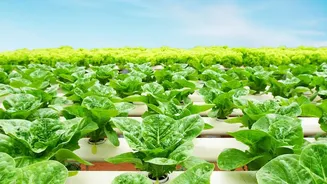
High-tech strawberry farming, part of a movement known as Controlled Environment Agriculture (CEA), represents a leap into the future of food production. Instead of open fields, these operations use sophisticated systems like hydroponics or vertical farms.
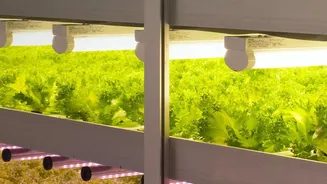
Plants are grown indoors in stacked layers or long gullies, without soil, their roots fed by a nutrient-rich water solution. The environment is meticulously managed by technology: AI-optimized LED lights mimic perfect sunlight, climate control systems maintain ideal temperature and humidity, and automated processes handle irrigation and nutrient delivery. The appeal is obvious: growers can produce high-value crops like strawberries year-round, shielded from pests and unpredictable weather, using up to 90% less water than conventional farming. For investors and farmers, it promises higher yields, faster growth cycles, and a consistent, premium product for local markets.
The High Cost of Innovation
This level of control comes with a staggering price tag. Setting up a commercial-scale hydroponic or vertical farm is a capital-intensive venture. A single, fully-automated 40-foot container farm can cost upwards of $150,000. Larger, industrial-scale facilities can run into the millions, with huge expenses for the building, multi-layer racking systems, and the complex technology required. The biggest line items are often the high-efficiency LED lighting arrays and the HVAC systems needed to manage heat and humidity, which together can account for a massive portion of both upfront and operational costs. In fact, electricity alone can cost a commercial operation thousands of dollars per month. These high initial investments have been the downfall of many startups in the sector, which have struggled to achieve profitability even in perfect conditions.
A Single, Devastating Point of Failure
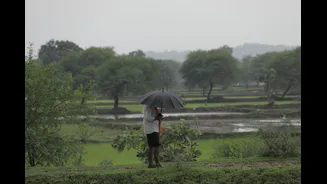
While CEA facilities are designed to eliminate variables, they cannot escape the brute force of a major natural disaster. Unlike a traditional farm where damage might be limited to a lost crop, a cyclone's impact on a high-tech facility is twofold. First, there's the crop itself. But more critically, the very infrastructure that makes the farm 'high-tech' becomes its greatest vulnerability. Powerful winds can tear apart greenhouses and buildings, while flooding can destroy expensive electronics, pumps, and climate control systems. In India and other cyclone-prone regions, storms regularly cause catastrophic damage to agriculture, from flattening fields to long-term soil salinization from storm surges. For a high-tech farm, this means not just the loss of a harvest, but the destruction of multi-million dollar assets that are difficult and expensive to replace.
The Perilous Path to Recovery
The financial fallout from such an event can be crippling. Traditional crop insurance often doesn't adequately cover the highly specialized infrastructure of a vertical or hydroponic farm. While new insurance products are emerging specifically for controlled environments, they have often focused on risks like plant diseases requiring destruction orders, not necessarily the wholesale structural obliteration from a hurricane or cyclone. A farmer could be left facing the total loss of their investment with insufficient coverage. Rebuilding is not a simple matter of replanting; it means sourcing and funding the replacement of custom-built lighting, irrigation, and computer systems. This process can take months or even years, during which there is no revenue. For an industry already notorious for its thin profit margins and high cash burn, a single extreme weather event can be an extinction-level event for the business.