




Choosing Your Fragrant Stars
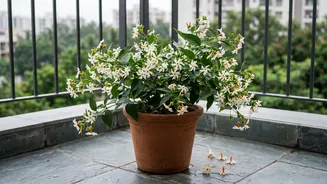
The foundation of any scented garden rests on its most powerful aromatic plants. For Indian balconies, certain classics are non-negotiable. Mogra (Arabian Jasmine) is a prime candidate, releasing its sweet, intoxicating scent in the evenings. Similarly,
Raat Ki Rani (Night-blooming Jasmine) lives up to its name, perfuming the night air. For a daytime fragrance, consider Gandharaj (Gardenia), whose creamy white flowers have a rich, captivating scent. These plants are the showstoppers, the primary sources of aroma that will define your garden. When selecting them, consider the amount of direct sunlight your balcony receives. Most of these flowering beauties thrive with at least four to six hours of good light. Don't be afraid to ask your local nursery for varieties best suited to pot culture, as they will be more compact and manageable.
The Supporting Cast: Aromatic Foliage and Herbs
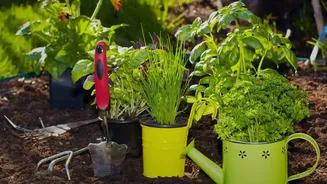
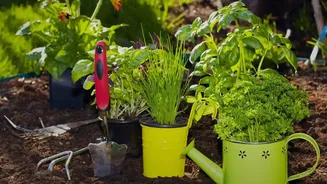
A truly immersive fragrant garden doesn't rely solely on flowers. Aromatic foliage provides a constant, subtle scent that complements the floral notes. Incorporating herbs is a fantastic way to achieve this. A pot of Tulsi (Holy Basil) not only holds cultural significance but also releases a lovely, peppery fragrance, especially after a light rain. Lemon grass is another excellent choice; its citrusy scent is refreshing and it’s incredibly easy to grow in containers. You can simply brush against its leaves to release the aroma. Mint varieties, such as peppermint or spearmint, also offer a fresh, clean scent and are vigorous growers in pots. These foliage-forward plants ensure your balcony smells wonderful even when your main flowers are not in bloom, creating a more consistent sensory experience.
Layering Scents and Heights
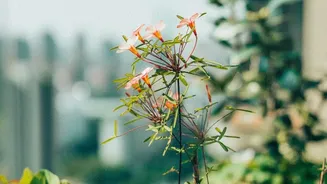
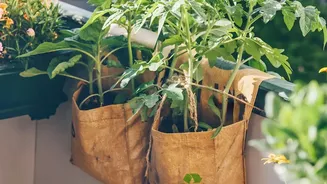
To create a dynamic and continuously fragrant space, think like a perfumer by layering your scents. Combine plants with different bloom times to ensure there's always something aromatic happening. For instance, pair a spring-blooming jasmine with monsoon-loving tuberose (Rajanigandha). Also, consider the scent profile. Balance a sweet, heavy scent like gardenia with the fresh, zesty notes of lemon grass or the spicy aroma of marigolds. Another key technique is to layer by height. Use vertical planters or wall-mounted pots for trailing plants like scented geraniums. Place taller plants like Raat Ki Rani at the back and shorter, bushier plants like mint and mogra at the front. This not only creates visual interest but also allows air to circulate and mingle the different fragrances effectively.
The Latest Trends: Smart and Sustainable Practices
Modern technology is making urban gardening easier and more efficient. Self-watering planters are a game-changer for busy individuals, using a reservoir system to provide consistent moisture and prevent the common problems of over or under-watering. For those tight on space, vertical gardening systems are a major trend, allowing you to grow a variety of plants on a wall. Smart sensors are also becoming more accessible; these devices monitor soil moisture, light, and nutrient levels, sending updates to your phone to take the guesswork out of plant care. Furthermore, there is a growing movement towards sustainability. Using organic compost made from kitchen waste can enrich your soil naturally, reducing the need for chemical fertilizers and cutting down on household waste.
Essential Care for Potted Perfumes
Container gardening comes with its own set of rules. Good drainage is critical; ensure every pot has holes at the bottom to prevent waterlogging, which can lead to root rot. The potting mix should be light and well-draining. You can buy a pre-made mix or create your own using soil, coco-peat, and compost. Fragrant flowering plants are often heavy feeders. During their growing and blooming season, supplement them with a balanced organic fertilizer, like vermicompost or bone meal, every few weeks. Regularly prune your plants to encourage bushier growth and more flowers. Snip off spent blooms to redirect the plant's energy into producing new ones. Finally, observe your plants daily. This will help you catch any issues like pests or nutrient deficiencies early on.