






What Is Cost Per Serving?
Cost per serving is a simple calculation that helps you understand the true price of a meal. Instead of just looking at the total cost of a recipe or a grocery bill, you divide that total cost by the number of people the meal feeds. The formula is straightforward:
Total Cost of Ingredients / Number of Servings = Cost Per Serving. For example, a dal that costs ₹200 in ingredients and yields four servings has a cost per serving of ₹50. This metric allows you to compare different meal options on an equal footing, revealing which dishes give you the most value for your money.
How to Calculate It Simply
You don't need to be a math genius to figure this out. For any given recipe, quickly add up the approximate cost of the ingredients you used. A helpful trick is to calculate the cost of only the portion used, not the entire package. For example, if you use half a packet of paneer that cost ₹90, you would count ₹45 toward the recipe's total. Do this for the main ingredients. Once you have a rough total, divide it by the number of plates it fills. You don't have to be exact down to the last paisa; the goal is to get a general idea to guide your shopping and cooking habits. Starting with your most frequently cooked meals is a great way to begin.
Making Smarter Choices at the Store
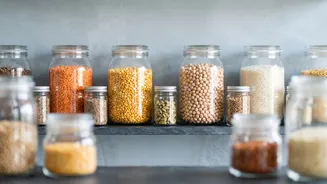
Thinking in 'cost per serving' transforms how you shop. A large bag of rice might seem expensive at first, but its cost per serving is incredibly low when spread across dozens of meals. Conversely, a small packet of a pre-made sauce might seem cheap, but if it only serves two, its cost per serving could be surprisingly high. Use this mindset to compare different protein sources; dal, chana, and eggs are often significantly cheaper per serving than meat or even paneer. Buying seasonal vegetables is another key strategy, as they are typically cheaper and more nutritious. Taking a moment to compare the unit price (price per 100g or per kg) on shelves can also reveal the best value, especially when choosing between different package sizes of the same item.
Low-Cost, High-Impact Indian Meals
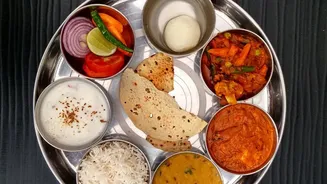
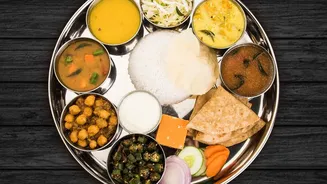
Many traditional Indian meals are naturally budget-friendly and offer a low cost per serving. Dishes built around lentils and pulses, like dal tadka, rajma, or chana masala, are protein-packed and highly affordable. Khichdi, a one-pot meal of rice and lentils, is the ultimate comfort food on a budget. Vegetable-heavy dishes such as aloo gobi, baingan bharta, and various sabzis made with seasonal produce like lauki or pumpkin are also excellent choices. Pairing these with staples like roti or rice creates filling, nutritious, and economical meals that can easily feed a family for a low overall cost.
The Benefits Beyond Savings
While saving money is a major advantage, focusing on cost per serving brings other benefits. It encourages you to cook from scratch, which gives you full control over ingredients, helping you reduce salt, sugar, and unhealthy fats. This approach also helps minimise food waste. When you plan meals around ingredients you already have to get a lower cost per serving, you're less likely to let food expire in the pantry or fridge. Furthermore, involving the family in planning these cost-effective meals can be a great way to teach children about budgeting and healthy eating habits.
Avoiding Common Pitfalls
As you adopt this method, watch out for a few common traps. Don't sacrifice nutrition for price. A meal might be cheap, but if it's not balanced, it's not a good value in the long run. Ensure your meals still contain a good mix of protein, carbohydrates, and vegetables. Also, be wary of buying in bulk if you don't have proper storage or if your family won't consume the item before it expires, as this leads to waste. The goal is to be practical. Start by calculating the cost per serving for one or two meals a week and gradually build from there. The aim is to reduce stress, not add to it.