

The Science of Flavour Evaporation
The vibrant aroma and taste of fresh herbs come from their essential oils, which are highly volatile compounds. When exposed to high heat for an extended period, these oils simply evaporate, leaving behind a shadow of the herb's original flavour, or worse,
a bitter taste. Think of it like a perfume; the scent is powerful at first but dissipates into the air. The delicate chemical structures that make basil smell like summer or cilantro taste so bright are fragile and easily broken down by heat. The goal is to integrate their flavour into the dish without cooking it away entirely.
The Delicate Herbs: Add at the End
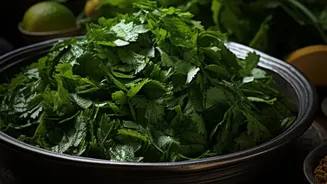
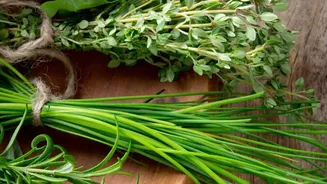
A significant group of fresh herbs are best treated with minimal heat. These are often called delicate or soft herbs because of their tender leaves and stems. This category includes popular choices like basil, parsley, cilantro, mint, dill, and chives. Their flavour compounds are so volatile that they are best added during the last minute or two of cooking, or even after the dish has been removed from the heat entirely. For maximum impact, simply tear or roughly chop these herbs and stir them in just before serving, or use them as a fresh garnish. This way, their bright, fresh character remains the star of the show.
Hardy Herbs: The Heat-Resistant Crew
Not all herbs are so shy about heat. Hardy herbs, characterized by their woody stems and tougher leaves, actually benefit from some cooking time. This group includes rosemary, thyme, oregano, sage, and bay leaves. The robust cellular structure of these herbs means their flavour releases more slowly. Adding them early in the cooking process—perhaps while sautéing onions and garlic—allows their deeper, more earthy notes to infuse the entire dish. The heat helps to break down their tough leaves and unlock the oils within, creating a foundational layer of flavour that you can't achieve by adding them at the end. Just remember to remove any large, woody stems before serving.
Smart Techniques for Maximum Flavour
Beyond timing, a few other techniques can help you get the most from your fresh herbs. One method is to 'bloom' hardy herbs by briefly frying them in oil at the start of a recipe, which helps distribute their flavour throughout the dish. For delicate herbs, consider making an herb oil or a finishing butter. By finely chopping herbs like basil or parsley and mixing them with olive oil or softened butter, you create a flavour-packed condiment you can swirl into a soup, spread on bread, or melt over grilled meat right at the end. Even the stems of soft herbs like cilantro and parsley are packed with flavour; they are tougher than the leaves and can be added earlier in the cooking process, much like a hardy herb.
How to Tell If You've Overcooked Them
The signs of overcooked herbs are easy to spot. Delicate herbs like basil will turn a sad, dark grey-green or black and lose all of their fresh punch, often becoming bitter. Fresh parsley will wilt into flavourless green specks. Instead of a vibrant aroma, the dish might just smell generically 'grassy' or have no herbal scent at all. Visually, the herbs will look shrivelled and lifeless rather than appearing as a bright, fresh final addition. Paying attention to these visual and aromatic cues can help you adjust your timing in the future and ensure your herbs always contribute the lively flavour they promise.