


What is the PUFFINS Mission?
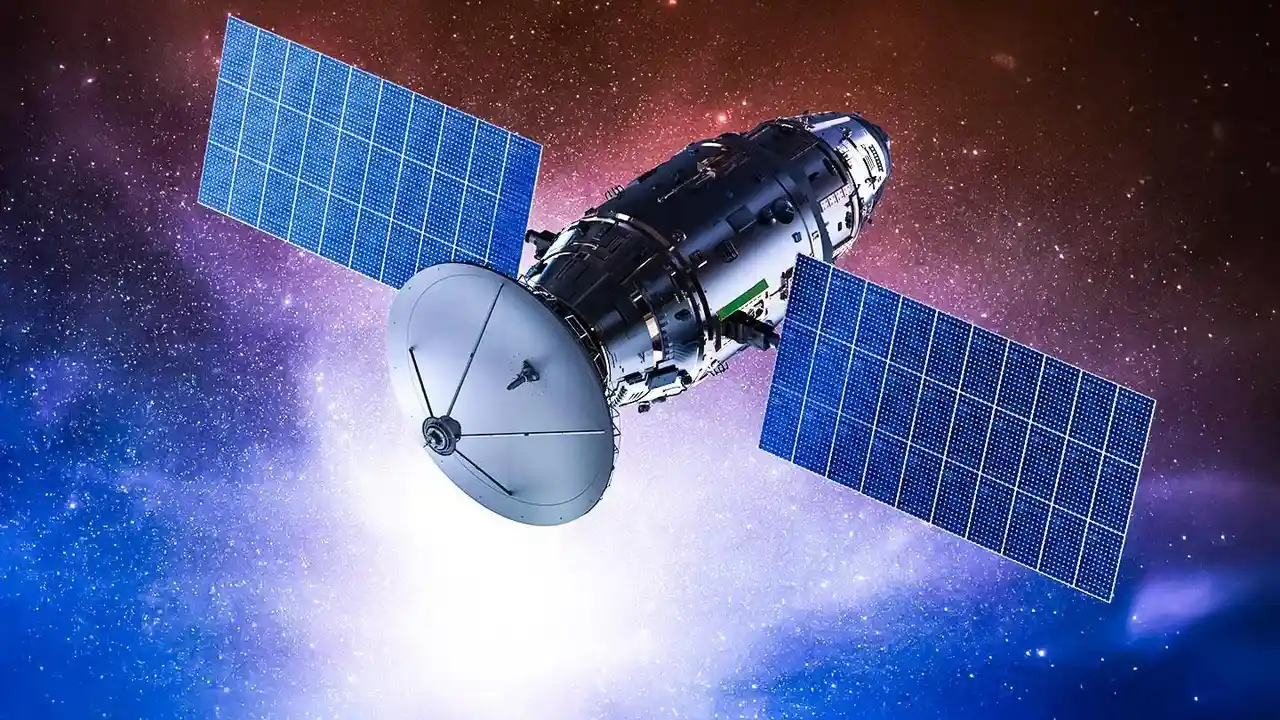
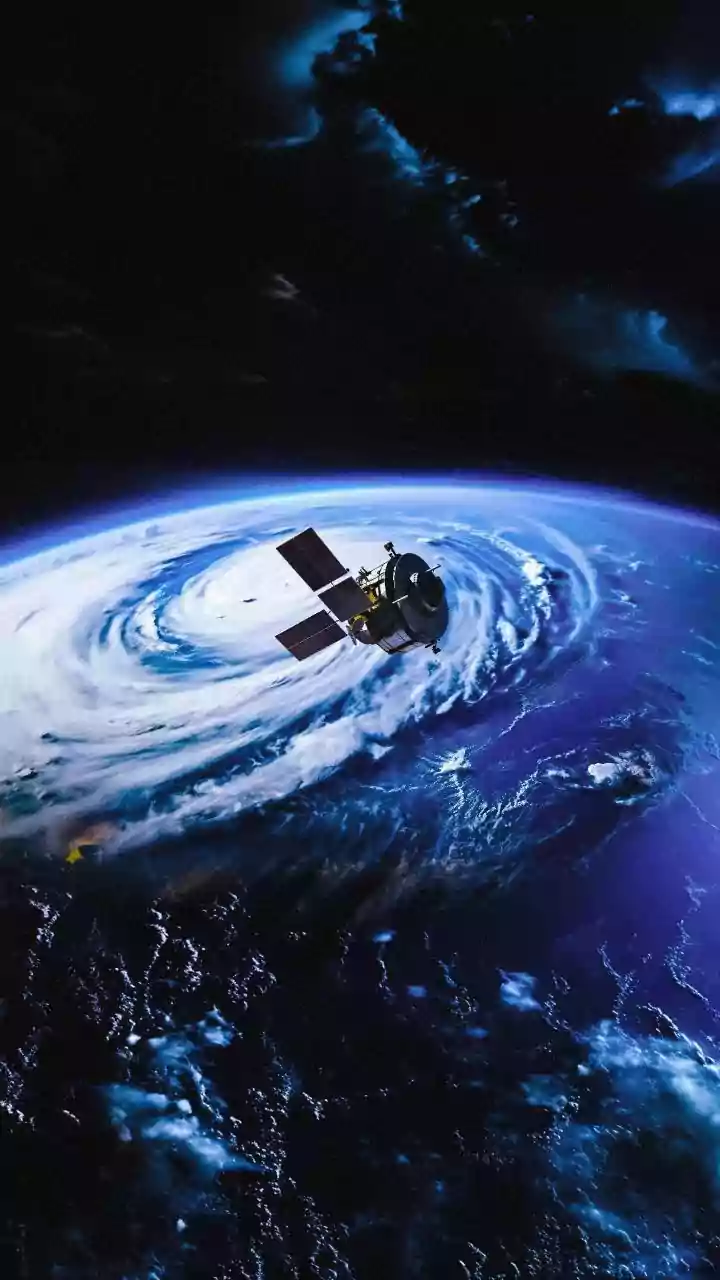
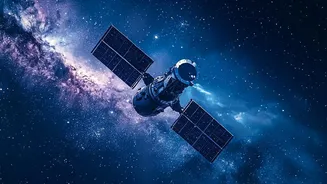
PUFFINS, which stands for 'Polarimetry in the Ultraviolet to Find Features in InterStellar dust', is a small satellite mission funded by NASA. Scheduled for launch in 2030, its job is to study some of the smallest, most elusive particles in our galaxy:
interstellar dust grains. The mission will feature a specialized telescope, about 10 inches wide, placed in low-Earth orbit. From there, it will observe the ultraviolet light from approximately 70 different stars to understand how that light has been changed by the dust it passed through on its journey to us. Led by principal investigator Dr. Ramya Anche of the University of Arizona, PUFFINS aims to fill a significant gap in our knowledge, as this type of measurement hasn't been performed from space in nearly three decades.
The Unseen Influence of Cosmic Dust
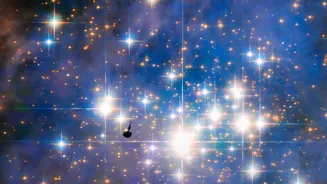
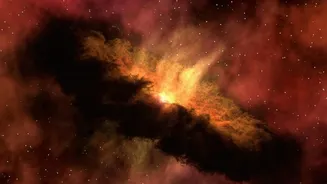
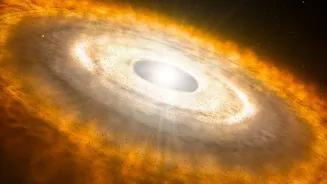
It might sound insignificant, but cosmic dust is a crucial ingredient in the universe. These tiny particles, often smaller than a virus and composed of materials like silicates and carbon, are scattered throughout the space between stars. Though they make up a small fraction of the total matter, they play a massive role. Dust provides the raw material for forming planets and shelters new stars as they are born. However, for astronomers, dust can also be a nuisance, blocking the light from distant objects. By studying the dust itself, scientists can turn this obstacle into an opportunity. The properties of these grains reveal information about star formation, galactic evolution, and the very chemistry of the cosmos.
Starlight's Hidden Message: Polarisation
Light from a star typically travels as a wave that vibrates in all directions. However, when that light passes through certain materials, its vibrations can become restricted to a single plane. This is called polarisation. A common example on Earth is polarised sunglasses, which block glare by filtering out light waves that are vibrating horizontally. In space, interstellar dust clouds act like a cosmic set of polarised lenses. Elongated dust grains are not spherical and tend to align themselves with the galaxy's magnetic fields. This alignment was first noticed as far back as 1949, though the precise mechanics have long been debated.
How Dust Changes the Light
As starlight streams through a cloud of these aligned, non-spherical dust particles, the light that vibrates parallel to the longest axis of the grains is more likely to be absorbed or scattered. The light that makes it through, therefore, is primarily vibrating in a different direction, becoming 'polarised'. By measuring the direction and amount of this polarisation, astronomers can deduce the orientation of the dust grains. Since the grains act like tiny compass needles aligning with magnetic fields, this technique allows scientists to map the invisible magnetic structures that thread through our galaxy. Essentially, the dust provides a way to see the unseen magnetic skeleton of the Milky Way.
Unlocking Galactic Secrets with PUFFINS
The PUFFINS mission will focus on ultraviolet (UV) light, which is particularly sensitive to the smallest dust grains—particles smaller than 50 nanometres that are invisible to most other telescopes. By using a technique called spectropolarimetry, the mission will measure how the polarisation changes across different UV wavelengths. This detailed information will help scientists determine the size, shape, and even the composition of these tiny dust particles. Understanding these properties is essential for refining models of how stars and planets form and how galaxies are built. It could help solve the 'dust budget crisis'—the mystery of why galaxies appear to contain more dust than our current theories can account for.