

The Historic Gateway of Jagatsukh
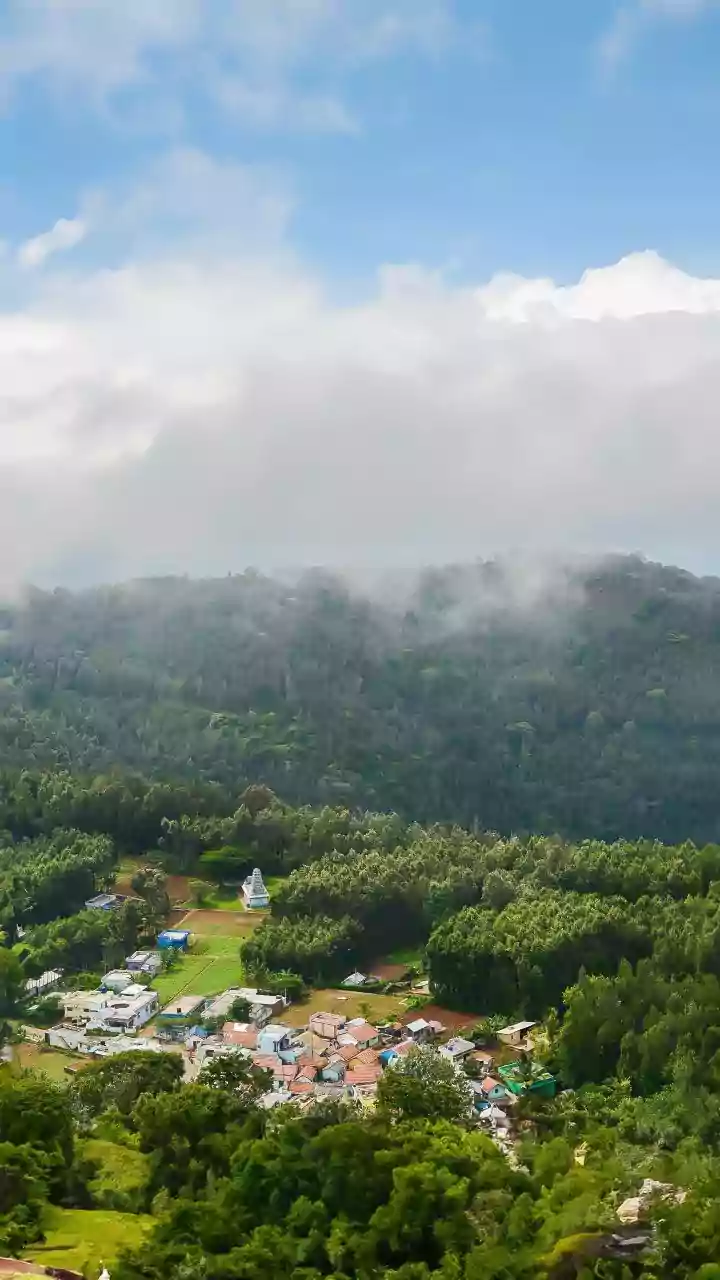
Before the trail even begins, the journey to Deo Tibba starts in a place of significance. Jagatsukh, nestled on the left bank of the Beas River, is not just another Himalayan village; it was once the ancient capital of the Kullu kingdom. Its temples,
like the shikhara-style Shiva temple, speak of a rich past. Trekkers gather here, in the largest village in the Kullu district, soaking in the serene atmosphere amidst apple orchards and traditional homes before venturing into the wild. The name itself, combining 'Jagat' (world) and 'Sukh' (happiness), perfectly sets the tone for the adventure ahead.
First Steps: Jagatsukh to Chikka
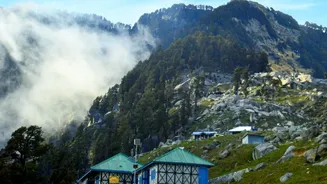
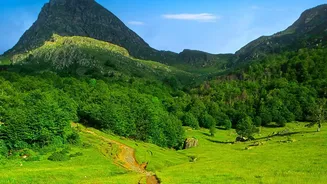
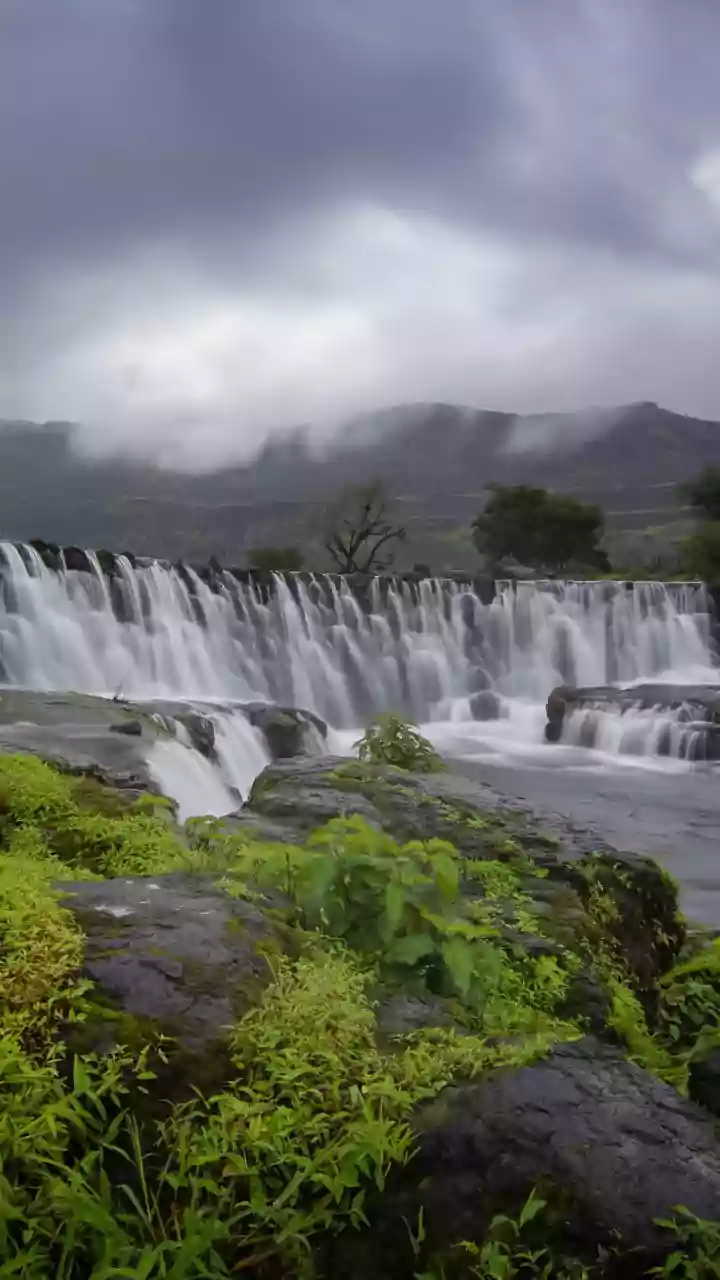
The trek officially commences with a drive from Jagatsukh to the trailhead at Khanol, from where the path winds towards the first campsite, Chikka. This initial leg is a gradual ascent through dense forests of oak, pine, and deodar trees. The sound of the Jagatsukh Nala, a rushing stream, becomes a constant companion as the trail moves upward. After a few hours of walking, the forest opens up to the campsite at Chikka, situated at an altitude of around 3,100 meters. This site, known for its good climbing rocks and a nearby waterfall, offers the first stunning views of the peaks that dominate the skyline, including a tantalizing glimpse of the Deo Tibba massif.
The Plains of Seri
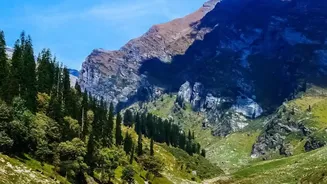
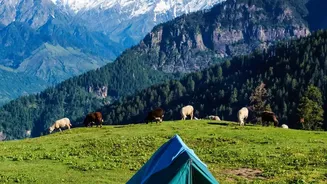
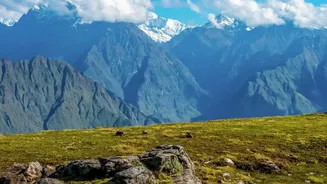
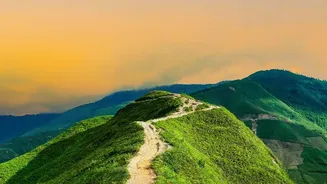
Leaving Chikka, the landscape undergoes a dramatic transformation. The trail continues its ascent until it breaks out of the tree line and into a vast, breathtaking meadow known as Seri. This expansive, flat pasture was once a glacial lake and now serves as a grazing ground, carpeted with alpine flowers. The walk across Seri is a highlight for many, offering a relatively gentle gradient in a stunning amphitheater of mountains. The feeling is one of immense space and freedom, with the Pir Panjal range standing as a formidable wall in the distance. It's a perfect place to acclimatize and appreciate the scale of the Himalayas before tackling the steeper sections ahead.
The Final Push to Base Camp
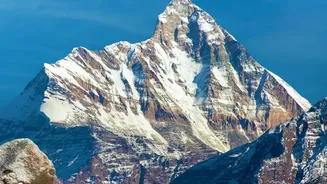
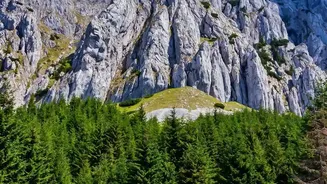
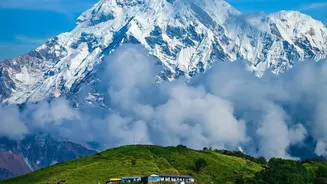
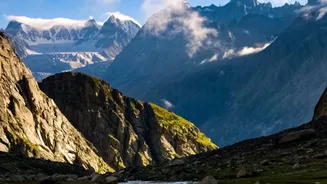
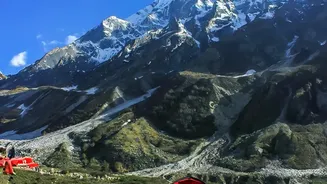
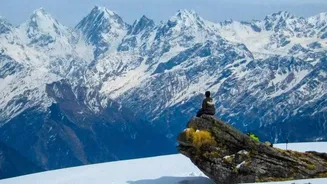
From Seri, the path becomes more challenging as it climbs towards the Deo Tibba Base Camp, often located at a spot called Tainta. The terrain turns to moraine and rocky ground, a clear sign of being in high alpine territory. This section of the trek requires careful footing and rewards the effort with increasingly spectacular views. Trekkers often make a stop at a small, pristine glacial lake sometimes referred to as 'Mini Chandratal' or 'Chota Chandratal'. The base camp itself, sitting at an altitude of over 4,200 meters, offers a direct, awe-inspiring view of the dome-shaped Deo Tibba peak (6,001m) and its massive hanging glaciers. It is here, in the barrenness and grandeur, that the trek's true prize is found.
Know Before You Go
Classified as a moderate to challenging trek, the Deo Tibba Base Camp journey typically takes five to six days to complete, covering a distance of about 37-75 kilometers depending on the exact itinerary. The best times to undertake this adventure are during the pre-monsoon season from May to June or post-monsoon from September to October. These windows offer stable weather, clear skies, and comfortable temperatures, though nights at high altitude can be very cold. Due to the altitude, which exceeds 4,000 meters, good physical fitness and some prior high-altitude trekking experience are highly recommended to fully enjoy the journey and mitigate the risks of altitude sickness.