




A Catastrophe From The Himalayas
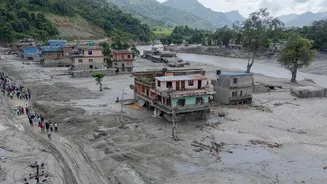
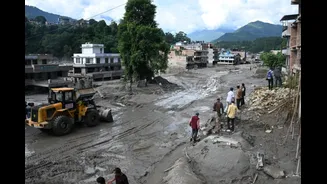
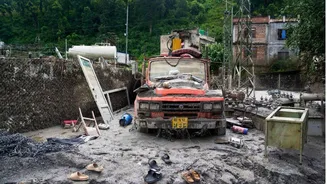
On the morning of August 26, 2026, a devastating wall of water and debris tore through the Bhote Koshi river valley in northern Nepal. The flash flood struck with incredible force, devastating communities in the Rasuwa, Nuwakot, and Dhading districts
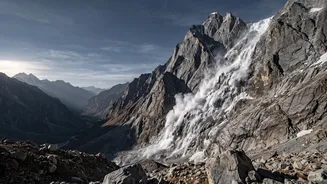
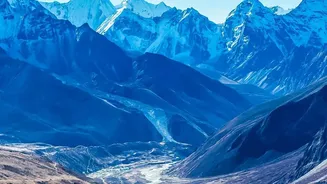
near the border with China. Initial reports were chaotic, but scientists now believe the disaster was triggered by a colossal rock and ice avalanche high in the Himalayas. A massive section of a glacier, along with the underlying bedrock, detached and plunged into the valley below. The event was so powerful it registered as a seismic event, but it was the resulting torrent of water, rock, and mud that caused the widespread destruction, sweeping away homes, bridges, and critical infrastructure.
The Landslide's Dangerous Aftermath
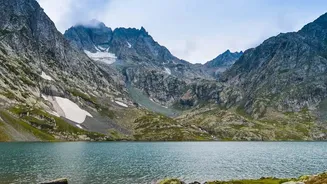
The initial flood was just the first part of a cascading disaster. The immense volume of rock and debris from the avalanche created a natural dam, blocking the flow of the Lhende Khola, a tributary of the Bhote Koshi river system. Behind this unstable wall of loose rock and mud, the river's water began to accumulate, forming a large and dangerous barrier lake upstream. Experts from the International Centre for Integrated Mountain Development (ICIMOD) and other organisations quickly raised alarms about this new hazard. Unlike engineered dams, these natural blockages are inherently unstable and can fail without warning. The situation created a ticking time bomb, perched precariously above communities already ravaged by the first wave of destruction.
A Second Flood Becomes Reality
The fears of experts were realized when the temporary dam partially broke on August 28, causing a second surge of water downstream. While this event briefly halted rescue operations, the larger threat of a complete collapse remains a grave concern. Chinese officials, monitoring the situation from upstream, warned that the newly formed lake was still accumulating massive volumes of water. A catastrophic failure of the debris dam could release an exceptionally violent flood wave, a phenomenon known as a Glacial Lake Outburst Flood (GLOF). This would send a torrent far exceeding the initial disaster into the valleys below, threatening not only the lives of remaining survivors but also the rescue teams working in the area. Authorities have issued urgent warnings, urging residents in high-risk zones to move to higher ground.
A Region on High Alert
The human toll of the disaster is staggering, with the death toll in Nepal climbing past 900 and thousands still missing, including many foreign tourists and pilgrims. The floods have destroyed the main overland trade route connecting Kathmandu to Tibet, including the vital Gyirong border crossing, crippling a significant portion of Nepal's trade with China. The response is a desperate race against time. The Nepal Army and other agencies are fully mobilized, but their efforts are severely hampered by destroyed roads and bridges that have cut off entire communities. International aid has begun to arrive, with India, Japan, and various global organizations sending relief supplies and specialized teams. However, the ongoing risk from the landslide dam complicates every aspect of the search, rescue, and relief operations, as a second major flood could strike at any moment.