


The Golden Trio with a Twist
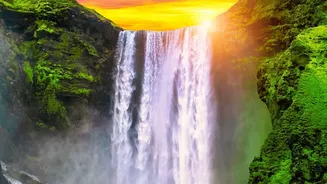
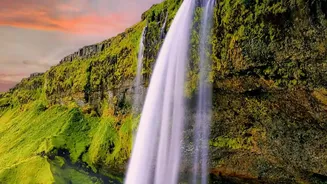
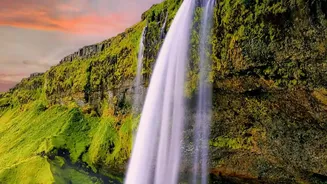
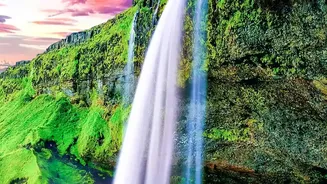
No trip to Iceland is complete without visiting the stars of the South Coast. Skógafoss, a powerful 60-metre curtain of water featured in films like 'Thor', is an essential stop. Instead of just a photo from the base, climb the 527 steps to the viewing
platform for a breathtaking top-down perspective. Nearby Seljalandsfoss offers a unique thrill: the chance to walk behind the cascade itself. Pro tip: wear a good waterproof jacket and sturdy shoes, as the path is slippery and the mist is intense. The third, Gullfoss or the 'Golden Falls', is a thundering two-tiered giant on the Golden Circle route. While popular, its sheer scale and power are best appreciated from the lower path, which gets you incredibly close to the action.
Beyond the Crowds: Hidden Gems
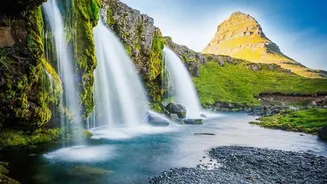
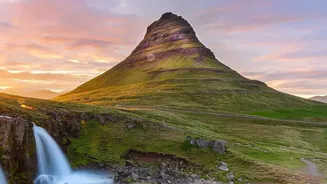
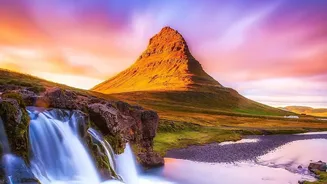
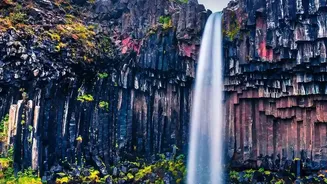
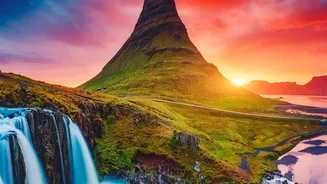
For a more serene experience, venture off the main tourist trail. Kvernufoss, a short walk from the Skógar Museum near Skógafoss, is a stunning, less-visited waterfall that you can also walk behind. It offers the same magical experience as its famous neighbour but with a fraction of the visitors. In a similar vein, Gljúfrabúi is a true hidden gem, tucked away inside a small canyon just a few minutes' walk from Seljalandsfoss. You have to wade through a small stream to enter the mossy cavern, but the reward is a private audience with a beautiful waterfall. Svartifoss, the 'Black Waterfall' in Vatnajökull National Park, is another must-see for its dramatic backdrop of black basalt columns, which inspired the architecture of Reykjavik's famous Hallgrímskirkja church.
The Powerhouses of the North and West
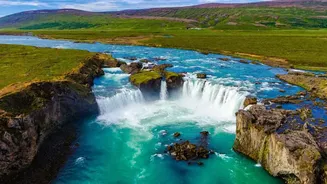
If your itinerary allows for a trip around Iceland's Ring Road, the waterfalls of the north and west are unmissable. Dettifoss, in North Iceland, is reputed to be the most powerful waterfall in Europe. Its raw, earth-shaking force is a humbling sight. Nearby is Goðafoss, the 'Waterfall of the Gods', a beautiful horseshoe-shaped cascade with significant historical importance in Iceland. Over in the remote Westfjords, you will find Dynjandi. This majestic, fan-shaped waterfall is actually a series of seven cascades tumbling down 100 metres, and it is widely considered one of the country's most beautiful.
Practical Tips for Indian Travellers
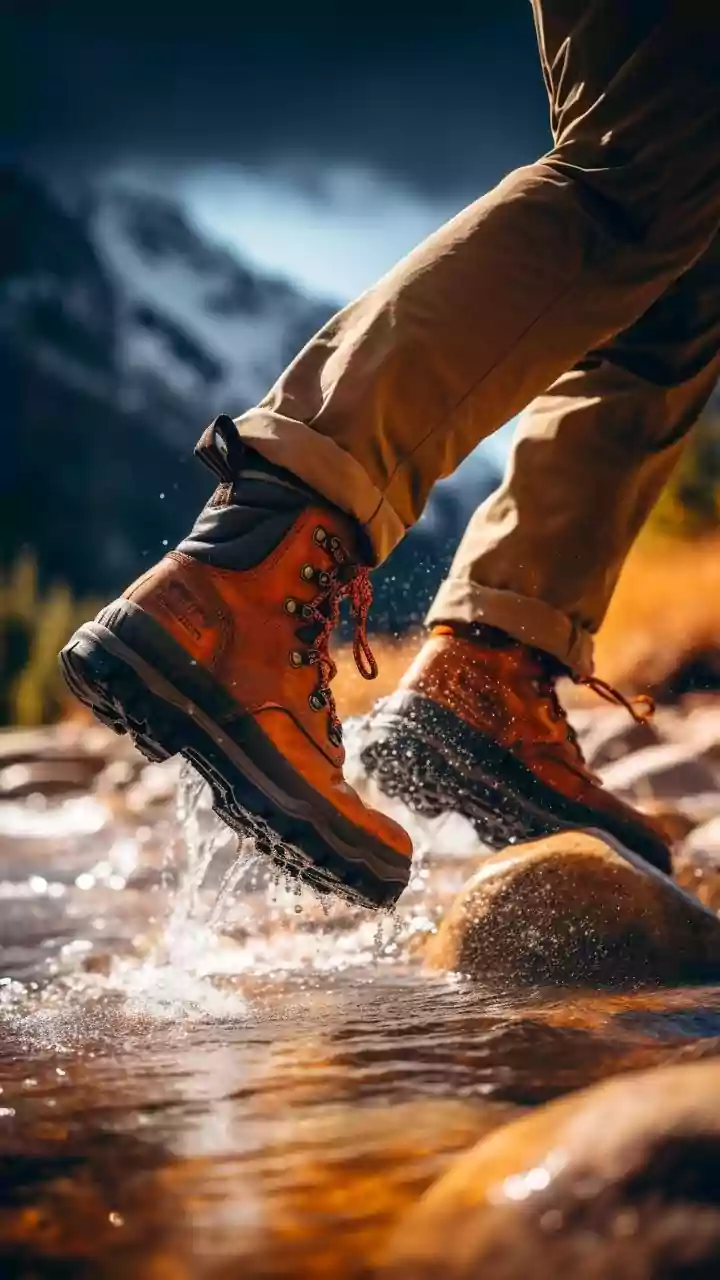
Planning a trip from India requires some specific preparation. First, Indian citizens need a Schengen Visa to enter Iceland; be sure to apply well in advance, listing Iceland as your main destination if that's where you'll spend the most time. Packing is crucial. Even in summer, the weather is unpredictable. Bring layers: a thermal base, fleece mid-layer, and a waterproof and windproof outer jacket are essential. Waterproof trousers and hiking shoes are non-negotiable, especially for getting close to waterfalls. Finally, currency is the Icelandic Króna (ISK), but credit and debit cards (Visa and Mastercard) are widely accepted everywhere, even at remote fuel pumps.
A Taste of Home in the Land of Ice
A common concern for Indian travellers is the availability of vegetarian food. You will be pleasantly surprised to find that Iceland is quite vegetarian-friendly. Most towns and even gas stations offer vegetarian options. Reykjavik has a burgeoning food scene with dedicated vegan and vegetarian restaurants. Along the South Coast tourist trail, places like Vík have cafes and restaurants that offer items like vegan soup or pizza. Many restaurants, especially in larger towns, feature veggie burgers or vegetable-based main courses. For those with specific dietary needs, like Jain meals, some specialised travel agencies can make arrangements in advance. It is also easy to find fresh produce, lentils, and spices in supermarkets like Bónus if you prefer to cook some of your own meals.