







The Wisdom of the Monsoon Pantry
When the rains arrive, bringing relief from the summer heat, they also bring challenges for agriculture. Fields can become water-logged, transport is difficult, and the high humidity means fresh produce spoils quickly. This is when traditional Indian
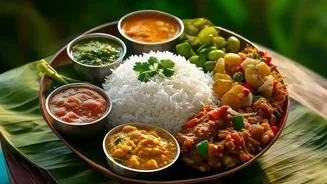
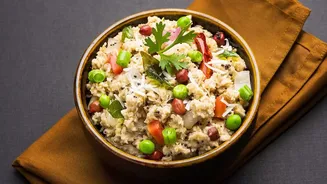
kitchens turn inward, relying on a time-tested system of staples that are designed to last. The focus shifts from delicate, perishable greens to hardy, stored ingredients. This isn't about deprivation, but about a different kind of abundance—one rooted in grains, pulses, and preserved goods. According to Ayurvedic principles, digestion also weakens during this season, making warm, cooked, and easily digestible foods preferable. This ancient wisdom aligns perfectly with the practicalities of what's available, favouring comforting meals like khichdi over raw foods.
The Power of Pulses and Grains
Dal and rice are the bedrock of the Indian diet year-round, but they become even more critical during the monsoon. Pulses like moong, arhar (tur), and masoor are nutritional powerhouses, packed with protein and easy to store for long periods without losing their value. They are the reliable heart of the meal when fresh vegetables are scarce or of poor quality. From the simple dal-chawal to more complex dishes like Gujarat's Dal Dhokli or Rajasthan's Panchmel Dal (a mix of five lentils), these stored legumes provide sustained energy and warmth. Similarly, old grains like aged rice and barley are preferred as they are considered lighter on the digestive system, a key consideration during the damp months.
The Underground Harvest
While many leafy greens struggle in the incessant rain, the ground offers up a different bounty: roots and tubers. Vegetables like yam (jimikand), sweet potato (shakarkandi), and colocasia (arbi) are perfect for this season. They are hardy, have a long shelf life, and provide a starchy, comforting element to meals. These vegetables can be stored for weeks in a cool, dark place and are incredibly versatile. Arbi leaves, for example, are famously used to make patra or alu vadi in Western India, a steamed and fried snack that is a monsoon delicacy. The dragon stalk yam, or 'shevla', is a wild, foraged variety prized in Maharashtra that appears only after the first showers.
Foraging for Wild Monsoon Greens
While there's a common belief to avoid leafy vegetables due to contamination risks, this primarily applies to commercially grown greens. In reality, the monsoon sparks the growth of a huge variety of wild, foraged greens that have been part of regional diets for centuries. These are not cultivated; they appear for a few short weeks and are packed with nutrition. In Karnataka, 'anne soppu' (water spinach) is foraged and cooked into a curry. In Goa and Maharashtra, communities forage for 'phodshi' and 'tailkilo' (Cassia tora). In Kerala, the tradition of 'Pathila Thoran' involves cooking a mix of ten foraged leaves, each with medicinal properties to boost immunity during the season. This practice showcases a deep, local knowledge of the environment.
Regional Flavours of the Rainy Season
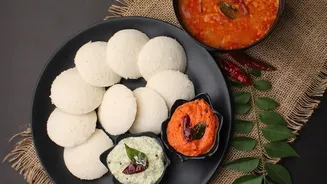
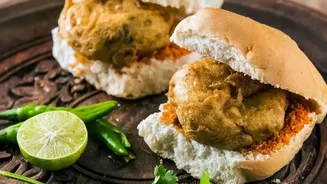
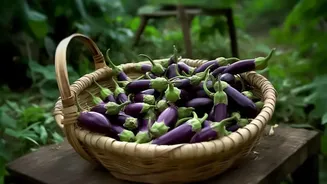
Across India, these principles manifest in unique and delicious ways. In Bengal, the quintessential monsoon meal is a comforting bowl of khichuri, often accompanied by fried hilsa fish or begun bhaja (fried eggplant). The street corners of Mumbai come alive with the smell of roasted corn on the cob (bhutta) and hot vada pav. In the south, steaming hot rasam, a peppery and tamarind-based soup, is a staple, valued for its ability to clear sinuses and provide warmth. And in the north, households indulge in hot, crispy pakoras, the unofficial snack of the Indian monsoon, served with a steaming cup of adrak chai (ginger tea).