




The Unlikely Star: Sabudana's Journey to India
Many might be surprised to learn that sabudana, or tapioca pearl, is not native to India. The story begins with the cassava plant, which is indigenous to South America. Portuguese colonists introduced this hardy, drought-resistant tuber to India's shores,
particularly in Kerala, around the 17th and 18th centuries. However, it was a famine in the kingdom of Travancore in the late 1800s that truly popularised tapioca as a food source. A local ruler, recognizing its potential to combat food scarcity, promoted its cultivation. Initially met with skepticism, it soon became a trusted staple, known locally as 'kappa'. The processed pearls we know as sabudana only became widely manufactured in India, starting in Salem, Tamil Nadu, around the 1940s, especially as rice became scarce during World War II.
From Sacred Fasting Food to Street Staple
The transformation of sabudana from a famine food to a fixture in religious observance is a unique chapter in India's culinary history. In Hinduism, fasting (vrat or upvas) often requires abstaining from grains. Sabudana, being a pure starch extracted from a root, fit the criteria perfectly. It provides a quick burst of energy due to its high carbohydrate content, making it ideal for keeping stamina up during a fast. This is why dishes like Sabudana Khichdi became synonymous with religious occasions like Navratri, Ekadashi, and Mahashivratri. Over time, what was once reserved for specific days of the year crossed over into everyday life. Its appeal—light yet filling, and incredibly versatile—made it a popular breakfast and snack, especially on the streets of Maharashtra, Gujarat, and Madhya Pradesh.
Maharashtra’s Sago Sensations
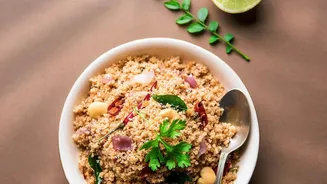
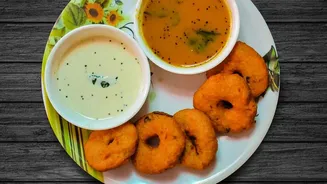
Nowhere is the love for sabudana more evident than in Maharashtra, where it has been elevated to an art form. The two most iconic preparations are Sabudana Khichdi and Sabudana Vada. The khichdi is a masterful blend of textures: soft, chewy pearls of soaked sago are tossed with roasted peanuts for crunch, boiled potato chunks for substance, and a tempering of cumin seeds and green chilies for a spicy kick. A final squeeze of lemon juice and a garnish of fresh coriander brighten the entire dish. The Sabudana Vada is another beloved snack, especially enjoyed with tea. Here, soaked sago is mixed with mashed potatoes, peanuts, and spices, formed into patties, and deep-fried until golden and crispy on the outside while remaining soft within.
The Wider World of Indian Breakfasts
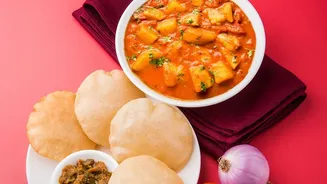
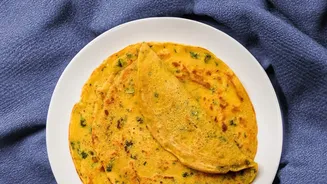
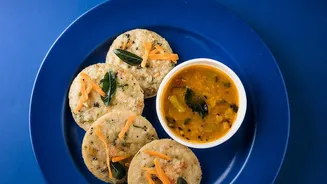
The story of sabudana provides a perfect lens through which to view the broader landscape of Indian regional breakfasts. Across the country, the first meal of the day is often a reflection of local agriculture, climate, and culture. In Maharashtra itself, while sabudana dishes are popular, so are Poha (flattened rice), Thalipeeth (a savory multi-grain flatbread), and Misal Pav (a spicy sprouted lentil curry served with bread). These dishes highlight a common theme in Indian breakfasts: they are often savory, substantial, and built around a carbohydrate base that provides lasting energy. From the rice-based Ghavan pancakes of the Konkan coast to the gram flour-based Pithla, each dish tells a story of local ingredients and traditions. Sabudana, the foreign starch that found a home in India, adds a fascinating layer to this rich culinary tapestry.