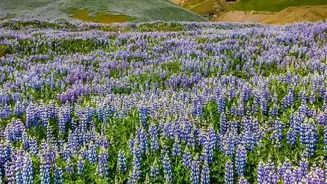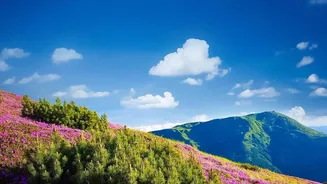





The Phenomenon Behind the Flower
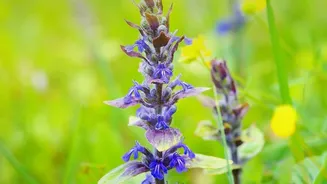
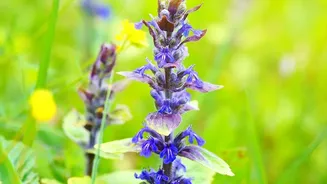
At the heart of this spectacle is Strobilanthes kunthiana, a shrub endemic to the high-altitude shola grasslands of the Western Ghats. Known locally as Neelakurinji, which translates to 'blue flower', this plant has an extraordinary life strategy. It
is a monocarpic species, meaning it flowers just once in its lifetime, releases its seeds, and then dies. This synchronized mass flowering, or 'masting', is a survival mechanism that overwhelms seed predators, ensuring that enough seeds survive to begin the next 12-year cycle. The famous Nilgiri Hills, or 'Blue Mountains', are believed to have earned their name from the breathtaking sight of these flowers blanketing the slopes.
A Tale of Two Blooms: Why 2026 is Special
While many associate Munnar's Neelakurinji bloom with the massive event at Eravikulam National Park, which last occurred in 2018 and is next expected in 2030, the 2026 bloom is a different, equally fascinating event. The Western Ghats host several distinct populations of Neelakurinji, each running on its own 12-year clock. The current bloom is from a population that last flowered in 2014, making 2026 its scheduled year to shine. This provides a rare opportunity for nature lovers who may not want to wait until 2030 to witness the floral marvel.
Where to Witness the Blue Carpet
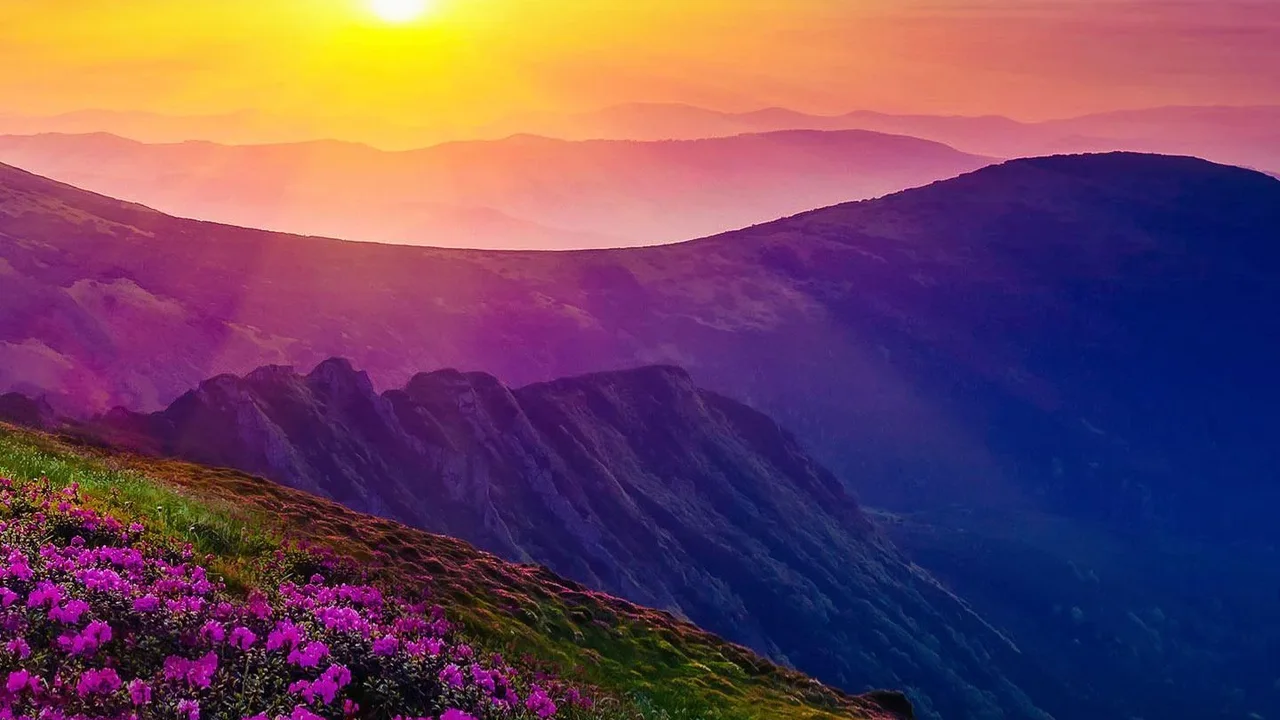
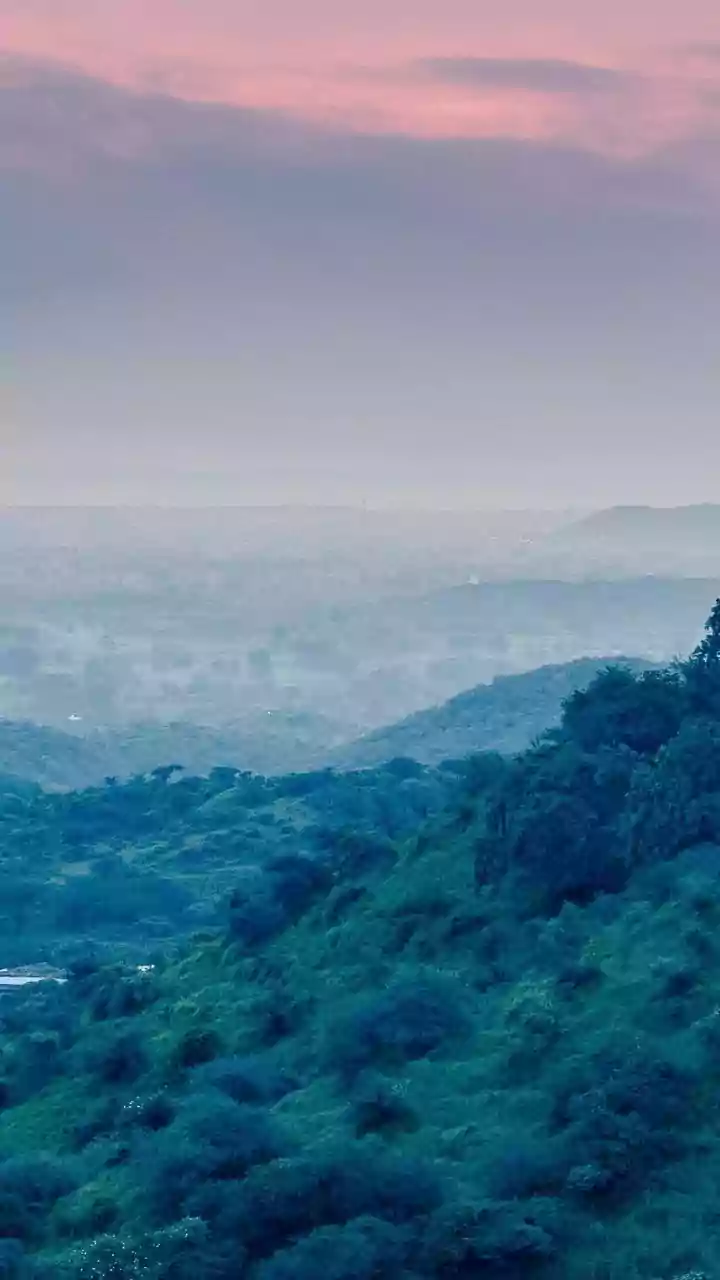
The 2026 flowering is not centered in the famous Eravikulam National Park. Instead, the bloom is gracing other parts of the Munnar landscape. The main viewing areas are the Chokramudi hills and the region around Korandakkad near Mattupetty. These high-altitude slopes offer sweeping views of the purple-blue blossoms. Authorities have opened designated viewing areas for tourists, ensuring access while protecting the fragile ecosystem. The flowering season typically begins around August and peaks through September and October, offering a generous window to plan a visit.
An Ecological and Cultural Treasure
The Neelakurinji is far more than just a pretty flower; it is a vital indicator of the health of the shola-grassland ecosystem, a habitat unique to the Western Ghats. The mass flowering provides a feast for pollinators like bees and butterflies, playing a crucial role in local biodiversity. The honey collected during this period is said to be particularly sweet and prized. Culturally, the flower is deeply significant. Local indigenous communities like the Paliyan and Muthuvan tribes have traditionally used the 12-year blooming cycle to calculate their age and mark generations. The flower even finds mention in ancient Tamil Sangam literature as a symbol of love and longing.
Tips for a Responsible Visit
With the beauty of the bloom comes the responsibility to protect it. The Neelakurinji is classified as a vulnerable species, threatened by habitat loss and climate change. If you plan to visit, it's essential to be a responsible tourist. Always stay on the designated trails to avoid trampling the plants. Plucking the flowers is strictly prohibited and can disrupt the plant's seeding cycle for the next generation. Furthermore, these areas are no-plastic zones, so be sure to carry out everything you bring in. Due to the influx of visitors, it is wise to book accommodation and transport well in advance.