



More Than Just an 80s Flashback
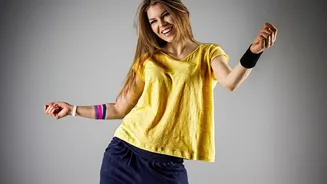
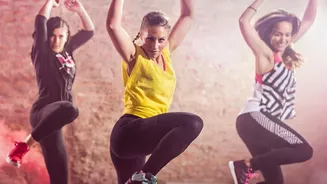
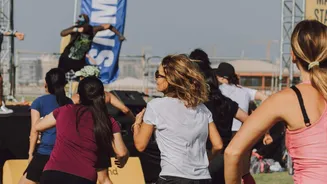
When you hear 'dance aerobics', you might picture vintage workout videos, but today's dance fitness is a broad and exciting category. At its core, it's a form of aerobic exercise that combines rhythmic movements with dance steps, all set to music. It's
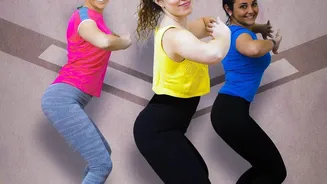
a fusion of fitness and fun, incorporating styles from Latin rhythms in Zumba to hip-hop, jazz, and more. The goal is a full-body workout that feels more like a party than a punishing gym session. This approach makes it easier for many to stay motivated and consistent, which is the key to long-term health benefits. The focus isn't on perfect technique but on continuous movement, making it accessible even for those who think they have two left feet.
The Heart of the Matter: Cardio Benefits
Dance aerobics is, first and foremost, a powerful cardiovascular workout. The continuous movement elevates your heart rate, strengthening the heart muscle and improving its ability to pump blood and oxygen throughout your body. Regular participation can lead to significant improvements in cardiovascular endurance, help manage blood pressure, and improve your cholesterol profile by increasing 'good' HDL cholesterol and lowering 'bad' LDL cholesterol. In fact, some studies suggest that dancing for exercise can burn more calories than moderate cycling or swimming and may lower your risk of dying from cardiovascular disease even more than walking does. This sustained activity is excellent for weight management and boosting overall stamina.
Finding Your Footing: A Boost for Balance and Coordination
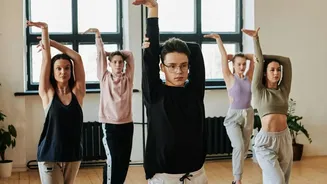
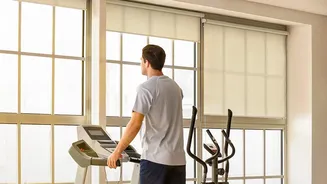
One of the standout benefits of dance aerobics is its remarkable impact on balance and coordination. Unlike linear exercises like running on a treadmill, dance involves moving in all directions—side to side, forward, backward, and rotationally. Learning and executing choreography requires your brain and body to work together, strengthening the neural pathways that control movement. This process is a workout for your brain's motor cortex, cerebellum, and basal ganglia, all of which are crucial for smooth, controlled motion. Following routines enhances muscle memory and improves spatial awareness, or your sense of where your body is in space. This constant challenge to your vestibular system and proprioception can translate directly into better stability in everyday life and a reduced risk of falls, particularly for older adults.
Easy on the Joints: Low-Impact for All
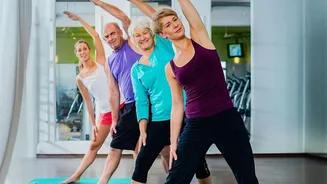
The claim that dance aerobics offers low-impact options is a significant draw for many. Low-impact exercises are those that keep at least one foot on the ground at all times, reducing the stress and jarring force on your joints. This makes it an ideal choice for beginners, older adults, people recovering from injuries, or anyone with joint concerns like arthritis. Many popular dance fitness programs offer specific low-impact versions, such as Zumba Gold, which is tailored for the needs of active older adults by using the same fun, international rhythms at a lower intensity. These classes still provide excellent cardio and strength benefits but do so in a way that protects the knees, hips, and ankles, proving that an effective workout doesn't have to be hard on your body.
How to Start Dancing Your Way to Fitness
Getting started is easier than you might think. Many local gyms, community centres, and dance studios offer a variety of dance fitness classes. Look for beginner-friendly options and don't be afraid to try a few different styles to find what music and movements you enjoy most. For those who prefer to exercise at home, there's a vast world of online classes and videos, many of which are free. The key is to find an instructor who is encouraging and focuses on safe movements. Remember, the goal is to move and have fun, not to perform perfectly. Everyone in the class was a beginner once, so embrace the learning process and focus on how the movement makes you feel.