


The Gassy Culprit: Ethylene
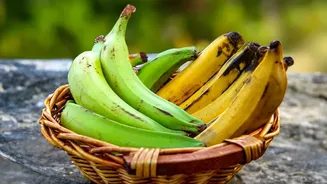
The main reason bananas (and many other fruits) ripen and eventually over-ripen is due to a plant hormone called ethylene gas. Bananas are what's known as climacteric fruits, meaning they continue to ripen after they've been harvested. As they ripen,
they produce ethylene gas, primarily from their stems. This gas acts as a signal, telling the banana to get softer and sweeter by converting starches into sugar. The problem is, this process creates a feedback loop; the more a banana ripens, the more ethylene it produces, which in turn speeds up the ripening of itself and any other ethylene-sensitive fruits nearby, like avocados and apples.
Strategy 1: Separate and Wrap
Since the ethylene gas is most concentrated at the stem, or crown, the first line of defence is to control it at the source. Many grocery stores have already caught on to this, which is why you might see bunches with their stems wrapped in plastic. You can easily do this at home with a small piece of plastic wrap or aluminum foil. For an even more effective method, separate the bananas from the bunch first and wrap each stem individually. This prevents one banana's ethylene cloud from accelerating the ripening of its neighbours. By containing the gas at the stem, you can slow the ripening process and extend the perfect yellow-peel window by several days.
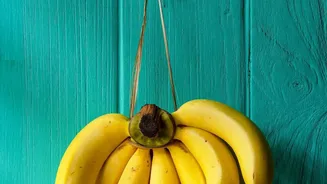
Strategy 2: Hang Them High
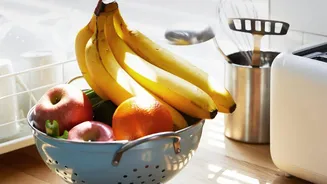
There's a good reason banana hangers exist, and it’s not just about looking organised. When bananas lie on a countertop, their own weight can cause bruising. Those bruised spots soften faster and are more susceptible to spoilage. Hanging bananas allows for better air circulation around each individual fruit, which helps dissipate the ethylene gas more effectively and prevents the bruising that can accelerate decay. If you don't have a dedicated hook, finding a cool, dark place to store them away from direct sunlight and heat will also help slow things down.
The Great Refrigerator Debate
Putting bananas in the fridge is one of the most debated kitchen topics. Here’s the scientific breakdown: never refrigerate an under-ripe or green banana. The cold temperature, a phenomenon known as “chilling injury,” will halt the ripening process permanently, leaving you with a peel that turns black and a fruit that remains starchy and firm. However, if you have a banana that is perfectly ripe and you want to preserve it for a few more days, the refrigerator is your friend. Popping a ripe banana in the fridge will cause the peel to turn dark brown or black, but it dramatically slows the ripening of the flesh inside. The fruit will remain firm and sweet, ready for your cereal or smoothie, for up to a week longer than it would on the counter.
When You've Missed the Window
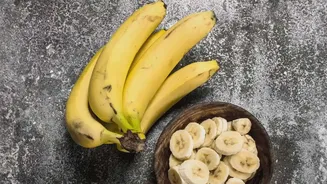
Even with the best intentions, you might end up with bananas that are past their prime eating stage. But don't throw them out. Over-ripe bananas, with their high sugar content, are perfect for baking banana bread, muffins, or pancakes. If you’re not ready to bake immediately, simply peel the bananas, slice them, and pop them in the freezer in an airtight container or bag. Frozen banana slices are an excellent base for thick and creamy smoothies. For cut bananas you want to save for later, a little citrus juice can work wonders. Tossing slices in lemon, lime, or even pineapple juice will slow down the browning, or oxidation, that occurs when the flesh is exposed to air.