

1. The Ubiquitous Classic: Rava Upma
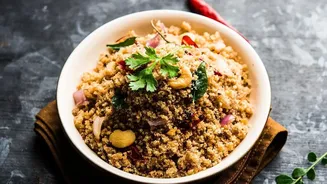
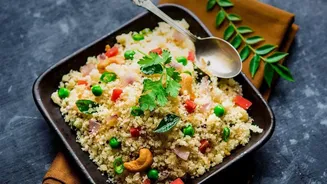
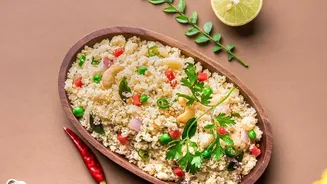
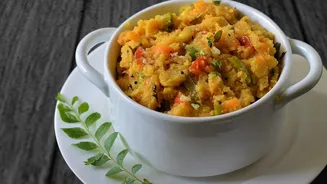
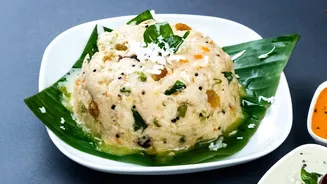
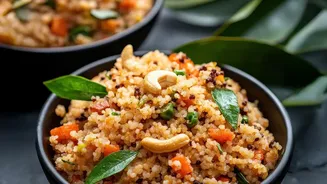
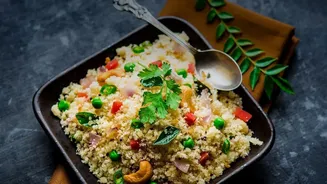
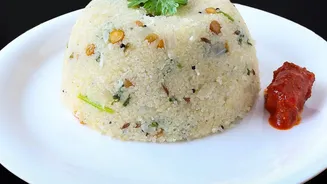
This is the upma that has conquered breakfast tables across the country. Made from dry-roasted semolina, or rava, it is the standard-bearer for the dish. The preparation is simple yet layered. It begins with a tempering of mustard seeds, urad dal, and curry
leaves in hot oil or ghee, which forms the aromatic base. Onions and green chillies are sautéed before water is boiled and the rava is slowly incorporated to create a fluffy, light, and savoury porridge. Often studded with vegetables like carrots and peas, this version is a balanced and beloved start to the day, commonly found from Tamil Nadu to Maharashtra. Its simplicity is its strength, making it a quick, go-to meal in countless Indian households.
2. The Maharashtrian Favourite: Poha Upma
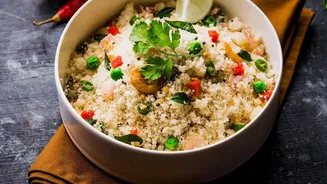
While it often goes by the name Kanda Batata Poha, this Maharashtrian staple is a close cousin to upma in spirit and preparation. Instead of semolina, its hero ingredient is poha, or flattened rice flakes. The poha is first rinsed to soften it before being tossed into a flavourful mix of sautéed onions (kanda), potatoes (batata), peanuts, and green chillies. Turmeric gives it a signature yellow hue, and a final squeeze of lemon juice adds a fresh, zesty finish. The texture is entirely different from rava upma—less a porridge and more a fluffy, tender mix of distinct flakes. It’s a testament to how a simple change in grain can create a completely new, yet equally beloved, breakfast experience.
3. The Tangy Sibling: Tomato Upma
Vibrant in colour and bold in flavour, Tomato Upma, also known as Tomato Rava Bath in some parts of Karnataka, is a popular twist on the classic. As the name suggests, puréed or finely chopped tomatoes are the star ingredient, cooked down with onions, ginger, and spices before the rava is added. This infusion gives the upma a beautiful orange-red tint and a distinct tangy taste that sets it apart. The acidity of the tomatoes beautifully cuts through the richness of the ghee and semolina. Often more generously spiced with a hint of garam masala or chilli powder, this version packs a flavourful punch and is a favourite in South Indian states for those who prefer a spicier, more piquant breakfast.
4. The Resourceful Reinvention: Bread Upma
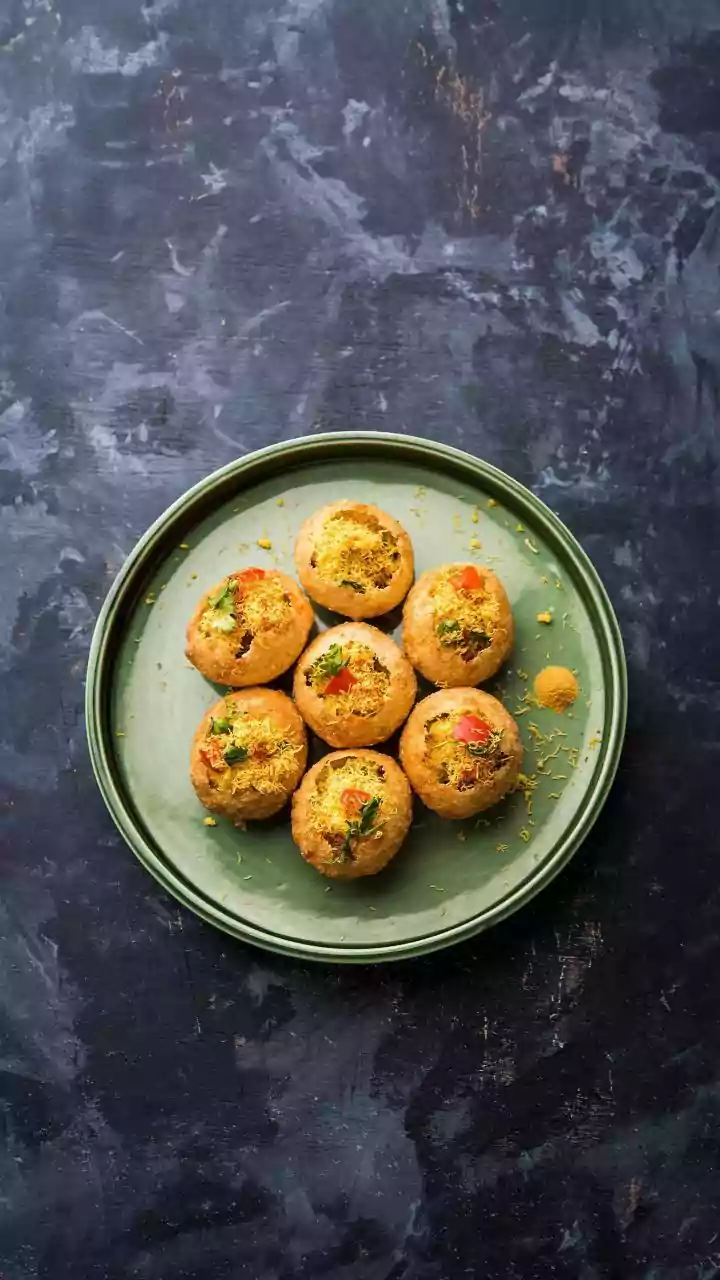
Born from the need to use leftover bread, Bread Upma is a clever and delicious example of kitchen ingenuity. This pan-Indian favourite is less a traditional regional dish and more of a modern, quick-fix meal. Cubes of bread, often toasted until slightly crisp, are tossed in a tempering of mustard seeds, onions, tomatoes, and spices, much like a standard upma base. The bread soaks up the flavours, softening slightly while retaining some of its texture. It comes together in minutes and transforms what might have been food waste into a satisfying and savoury dish. Some variations include a sprinkle of pav bhaji masala or a garnish of crunchy sev for extra texture and taste.
5. The Traditional Grain: Arisi Upma (Rice Upma)
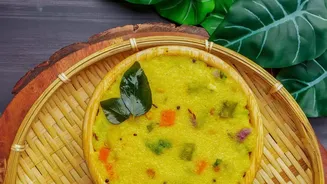
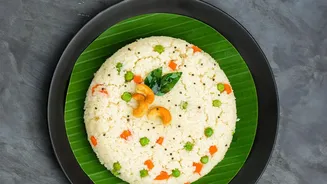
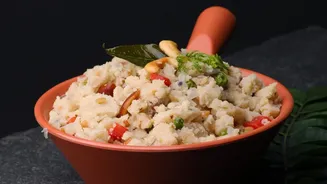
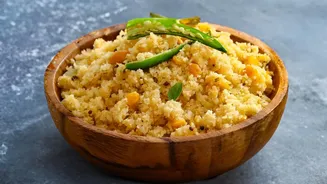
Before semolina became widely popular, upma was often made with coarsely ground rice. Arisi Upma, a traditional Tamil preparation also known as Akki Tari Uppittu in Karnataka, harks back to these roots. It is made from coarse rice rava (or idli rava), which gives the dish a heartier, chewler texture compared to its semolina counterpart. The preparation often includes toor dal and whole peppercorns in the tempering, lending a unique flavour profile. Because rice grains absorb water differently, Arisi Upma is denser and more filling. It’s a comforting, rustic dish that offers a taste of how upma was prepared in generations past, showcasing the versatility of rice in South Indian cuisine.