

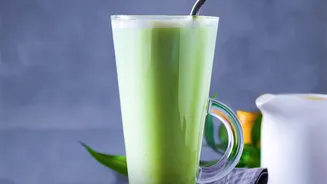

The Matcha Blueprint for Success
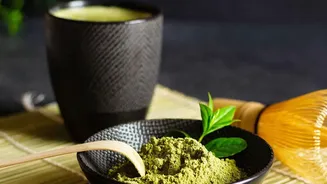
To understand the potential of ube and hojicha, we first need to look at why matcha conquered the Indian café scene. Its success wasn't accidental. It was a perfect storm of factors: a vibrant, Instagram-friendly green colour, a unique 'umami' flavour
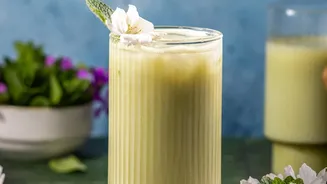
that was new yet appealing, and a strong association with health and wellness. Cafes from Mumbai to Delhi quickly adopted it, transforming it into lattes, desserts, and even fusion drinks, while consumers, particularly millennials and Gen Z, embraced it as a lifestyle statement—a calmer, more mindful alternative to coffee. This blend of visual appeal, wellness narrative, and versatility is the blueprint any new ingredient must follow.
Enter Ube: The Purple Powerhouse
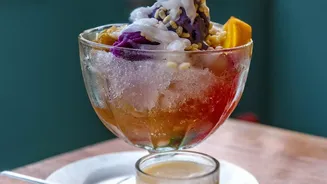
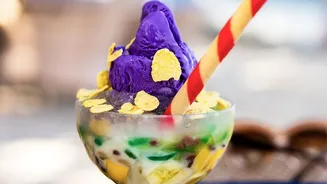
Ube (pronounced 'oo-beh') is a purple yam native to the Philippines, and its most striking feature is its stunning, deep violet colour. Unlike its cousin taro, with which it is often confused, ube has a naturally sweet, creamy, and nutty taste, with gentle notes of vanilla and pistachio. This flavour profile makes it a natural fit for desserts. For generations, it has been the star of Filipino sweets like 'ube halaya' (a rich jam) and ice cream. Its biggest strength is its undeniable visual drama; a purple latte or soft-serve is instantly photogenic, a key driver in today's social media-driven food culture. Furthermore, ube is a good source of antioxidants, fibre, and vitamins, aligning perfectly with the growing demand for functional, healthy ingredients.
Meet Hojicha: The Toasty Alternative
If ube is the vibrant newcomer, hojicha is matcha’s subtler, more sophisticated cousin. Hojicha is a Japanese green tea, but with a crucial difference: the tea leaves are roasted at a high temperature. This roasting process transforms the tea from vegetal and grassy to something warm, nutty, and toasty, with hints of caramel and cocoa. The colour also changes from green to a comforting reddish-brown. A major selling point for hojicha is its significantly lower caffeine content, making it an ideal evening drink or a gentle alternative for those sensitive to caffeine. While it may lack the immediate visual pop of matcha or ube, its appeal lies in its comforting, sophisticated flavour, which is already gaining traction in Indian metro cafes.
The Path to the Indian Mainstream
So, can these two replicate matcha’s success? Both have the necessary ingredients. Ube’s spectacular colour and dessert-friendly flavour give it a strong edge in the visually driven market. Hojicha’s low-caffeine, roasted profile caters to the wellness-conscious consumer looking for a calming, coffee-like experience without the jitters. The Indian food and beverage market is currently driven by a desire for novelty, health benefits, and premium experiences. Consumers are more willing than ever to experiment with global flavours, especially when presented in familiar formats like lattes, bubble teas, and ice creams. The availability of both ube and hojicha powders for wholesale and B2B use in India suggests that the supply chain is already gearing up.
Challenges on the Horizon
However, the road ahead isn't without obstacles. While matcha had a distinct flavour, it was still a 'tea', a concept familiar to Indians. Ube, a yam in a sweet drink, might require more consumer education. Its flavour, though mild, could be perceived as less bold than the spices Indians are accustomed to. For hojicha, the challenge is differentiation. Being a brown-coloured tea, it lacks the instant 'wow' factor of its green and purple counterparts. Its subtle, nutty notes might get lost if not prepared and marketed correctly. Ultimately, success for both will depend on price, accessibility outside major metros, and the ability of cafes to tell their unique stories in a crowded marketplace.