





In the modern search for protein-rich superfoods, it's easy to overlook the powerful, affordable ingredients already sitting in our pantries. Indian cuisine has long celebrated a variety of pulses that are not only delicious but also packed with protein.
Chana Dal (Bengal Gram)
A staple in kitchens across the country, chana dal is a nutritional powerhouse. Made from split and polished Bengal gram, it has a nutty flavour and a firm texture that holds up well in curries. Uncooked, it contains approximately 21-22 grams of protein per 100g. It is also rich in dietary fibre, iron, and has a low glycemic index, making it an excellent choice for sustained energy. Traditionally used in everything from the simple dal tadka to savoury snacks like vada and even sweets, chana dal is one of the most versatile and economical protein sources available. Pairing it with rice or roti creates a complete protein profile.
Toor Dal (Arhar or Pigeon Pea)
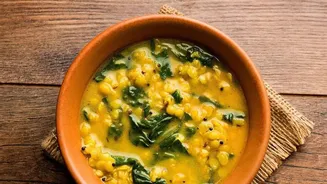
No Indian meal feels complete without a comforting bowl of dal, and more often than not, that dal is made from toor, also known as arhar. This is the backbone of dishes like the South Indian sambar and the everyday dal fry. Toor dal contains about 22 grams of protein per 100g of the uncooked pulse. Beyond protein, it's a great source of essential nutrients like folic acid, iron, and magnesium. Its ability to cook into a creamy, flavourful stew makes it a favourite, and its combination with rice provides all the essential amino acids needed by the body.
Moong Dal (Green and Yellow Gram)
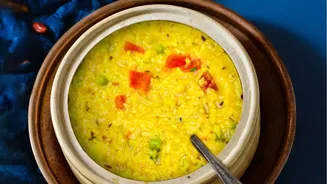
Known for being incredibly light and easy to digest, moong dal is a go-to food for comfort and recovery. Available as whole green gram, split with skin, or split and hulled (the familiar yellow dal), it’s a nutritional giant. Raw moong dal offers around 24 grams of protein per 100g. It's also packed with fibre, potassium, iron, and various vitamins. Its versatility is remarkable; it's used to make everything from simple dals and hearty khichdi to savoury pancakes (chilla) and even desserts. Its high protein and fibre content also aid in weight management by promoting a feeling of fullness.
Masoor Dal (Red Lentil)
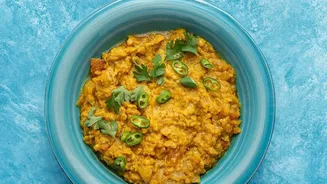
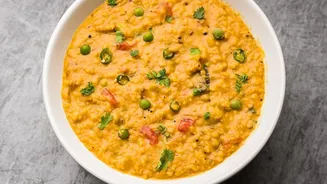
With its distinctive reddish-pink hue and quick cooking time, masoor dal is perfect for a fast, nutritious meal. It does not require prior soaking and breaks down easily, creating a thick, creamy consistency. It is a formidable source of protein, with some varieties containing up to 25 grams per 100g when raw. Masoor dal is also rich in dietary fibre, which is excellent for digestive health, and provides essential minerals like iron and magnesium that support heart health and bone strength. It's a fantastic, budget-friendly option for daily meals.
Urad Dal (Black Gram)
Urad dal is the secret hero behind some of India’s most beloved dishes. With one of the highest protein contents among common dals, it provides about 25 grams of protein per 100g (raw). The whole black gram is the star of the iconic Dal Makhani, while the split and hulled white version is essential for making the fermented batters of idli and dosa. This dal is also a rich source of iron, calcium, and magnesium. Its unique texture and ability to ferment make it indispensable in South Indian cuisine, proving its versatility beyond just being a simple lentil curry.
Rajma and Chole (Kidney Beans and Chickpeas)
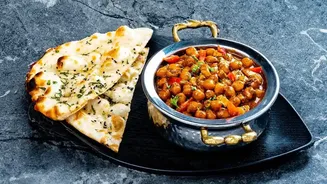
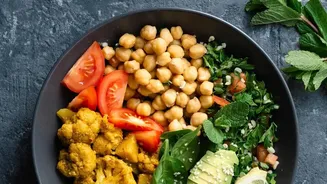
While not dals in the strictest sense, no discussion of Indian protein sources is complete without mentioning rajma and chole (Kabuli chana). These legumes are mealtime staples. Rajma offers about 23 grams of protein per 100g raw, while chickpeas provide around 19 grams. They are both excellent sources of fibre, which aids digestion and promotes satiety. The classic North Indian dishes Rajma Chawal and Chole Bhature are not just comfort food; they represent a nutritionally complete meal, with the legumes and grains combining to provide a full spectrum of amino acids.