






The Philosophy of the Invisible Pin
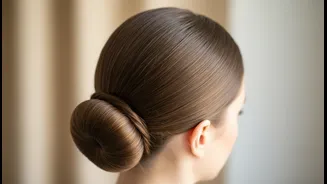
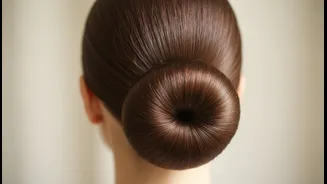
For decades, the primary role of a bobby pin was purely functional: to hold hair in place securely and, most importantly, discreetly. The philosophy is simple—the hairstyle itself should be the star. A visible, mismatched pin can distract from an elegant
chignon or a sleek twist, revealing the 'how' behind the 'wow'. When a pin’s purpose is structural, its success is measured by its invisibility. This approach is about creating a look that appears effortless and flawless, where strands of hair seem to defy gravity on their own. By choosing a pin that disappears, you preserve the illusion and ensure the artistry of your hairstyle remains the focal point.
Finding Your Perfect Colour Match
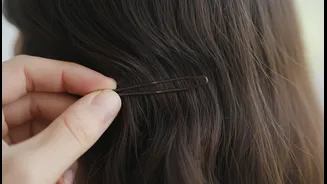
The days of one-size-fits-all black or metallic brown pins are over. Today, the market has expanded to cater to a diverse spectrum of hair colours. Brands now offer pins in various shades of blonde, brown, black, and even bronze tones for redheads. The key is to match the pin to your root colour, not the ends of your hair, as this is where the pin will sit against the scalp. For an even better camouflage, look for pins with a matte finish. Shiny pins can catch the light and reveal their position, even if the colour is a perfect match. Some stylists even take it a step further by spraying pins with a coloured dry shampoo to give them a matte texture and a custom tint that perfectly blends in.
Technique Is Just as Important as Colour
Choosing the right colour is only half the battle; proper technique is crucial for an invisible hold. First, always insert the pin with the wavy, ridged side facing down against your scalp. These ridges are designed to grip the hair, providing a much more secure hold. To hide the pin, slide it underneath the section of hair you want to secure, rather than placing it directly on top. For maximum staying power without the bulk, create an 'X' shape by interlocking two pins. This criss-cross method creates opposing tension that locks the style in place all day. Avoid prying the pin wide open before insertion; a smaller opening maintains the pin's tension and grip.
Pro Tips for a Seamless Finish
Hairstylists have a few extra tricks up their sleeves. For hair that is fine or silky, where pins tend to slide out, a little prep goes a long way. Before using them, lay your bobby pins on a paper towel and give them a light mist of hairspray or dry shampoo. Let them dry to a slightly tacky finish; this added texture provides extra grip to prevent slipping. Another technique, especially for securing braids or twists, is to insert the pin parallel to the hair section, pushing it up through the centre of the braid. This hides the pin within the style itself for a hold that is both strong and completely hidden.
The Exception: When Pins Become the Accent
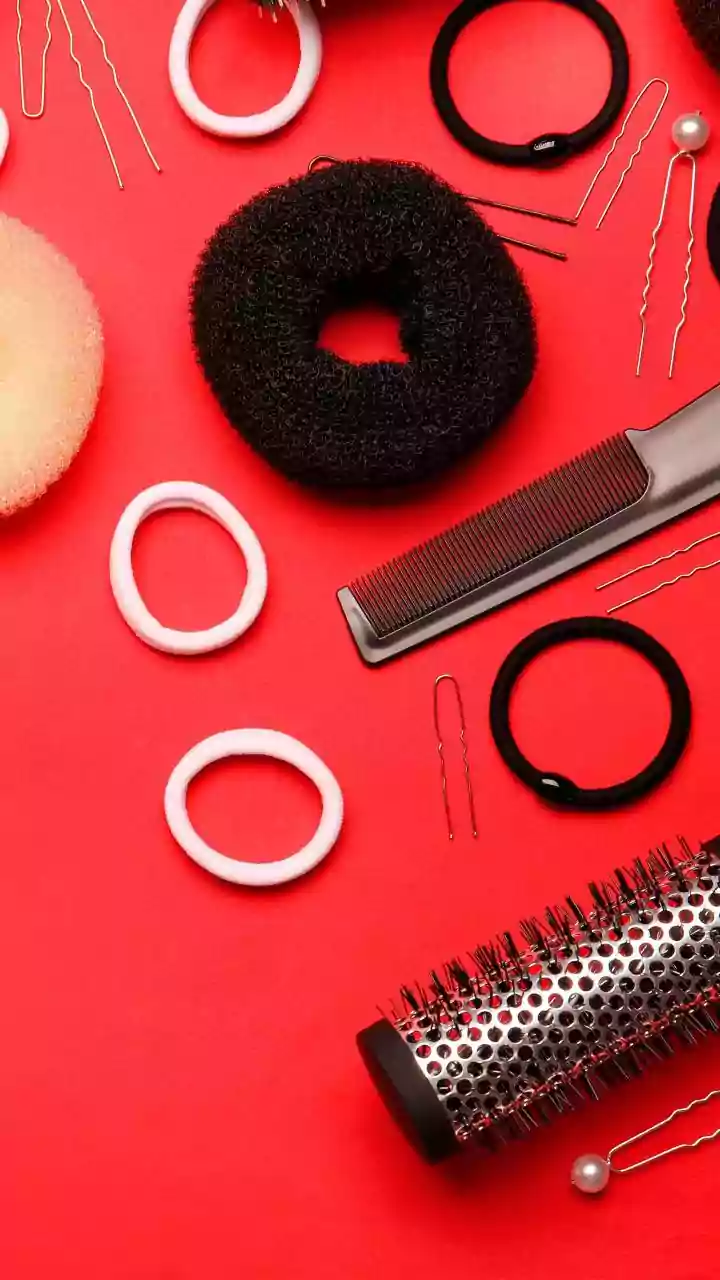
Of course, rules are sometimes made to be broken. In recent years, bobby pins have evolved from a purely functional tool into a fashion statement. Deliberately visible pins in contrasting colours, metallic finishes, or adorned with pearls and jewels have become a popular trend. Stacking multiple colourful pins to create graphic shapes like chevrons, triangles, or parallel lines can turn a simple hairstyle into an edgy, deliberate look. In these cases, the pin isn't hiding—it's the main event. This approach works best when it looks intentional, using the pins to create a specific design or to complement an outfit. It's a fun way to play with your look, but it serves a different purpose than the discreet, structural support of a hidden pin.