



The Journey Begins
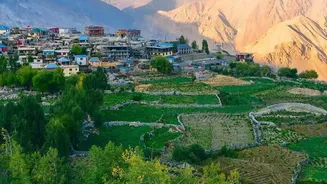
The adventure to the base of Deo Tibba, a majestic peak often called the 'Throne of the Gods', starts not with a strenuous climb, but with a drive from the bustling town of Manali. The road winds towards the ancient village of Jagatsukh, once the capital
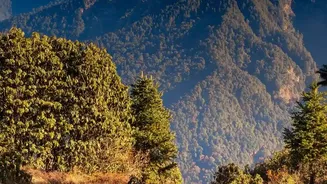
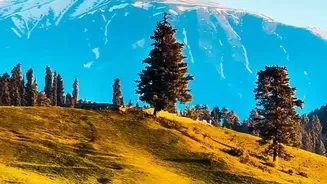
of the Kullu kingdom, before ascending to the trek's starting point near Khanol. From here, the path immediately plunges into a thick forest of pine and deodar. The first day’s walk is a gradual ascent along the Duhangan Nallah, a lively stream that becomes a constant companion. The destination is Chikka, a serene campsite that holds spiritual significance for locals and features a Nag Mandir. It’s a gentle introduction to the wilderness, where the sounds of the forest and the river set the rhythm for the days ahead.
The Astonishing Meadows of Seri
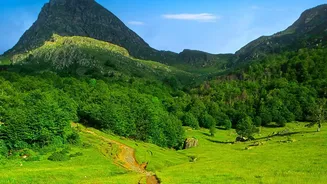
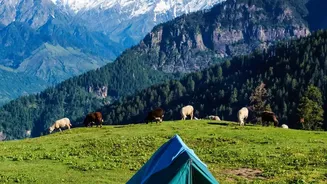
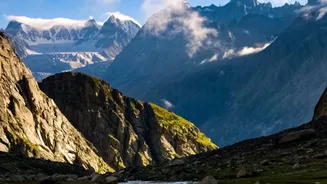
The second day of the trek is where the landscape begins to reveal its most dramatic secret. As you leave Chikka, the trail continues its climb, passing through birch forests and shepherd encampments. The tree line gradually recedes, and suddenly, the valley opens up into a breathtaking expanse: Seri. This is not your typical undulating meadow. Seri is a vast, flat alpine pasture that was once a glaciated lake. Today, it's a unique, level field carpeted with a vibrant array of wildflowers and herbs, crisscrossed by icy rivulets. On the far side, a massive waterfall cascades down from the Tainta cliffs, adding to the grandeur of the scene. Camping here feels like being in a lost world, a perfectly flat haven surrounded by the ruggedness of the high Himalayas.
Towards the Glaciers
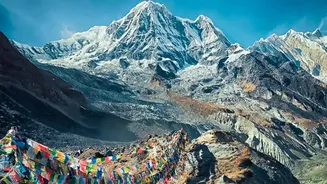
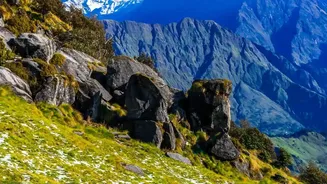
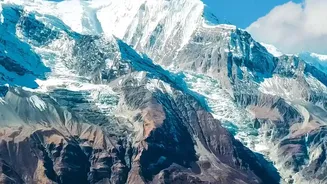
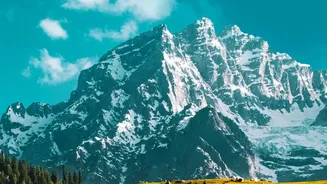
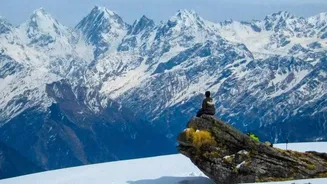
From Seri, the character of the trek shifts again. The path crosses the flat meadows before starting a steeper, more challenging climb towards Tainta. This section involves navigating through moraine fields—vast stretches of rock and rubble left behind by glaciers. The effort is rewarded with the first clear, imposing views of Deo Tibba and its hanging glaciers. The campsite at Tainta is perched at an altitude of around 4,150 metres, a significant jump that requires careful acclimatisation. It’s a wilder, more rugged environment, a true alpine zone where the raw power of the mountains is palpable. From here, the air is thinner, the winds are colder, and the proximity to the great peaks is undeniable.
The Jewel of the Trek: Chota Chandratal
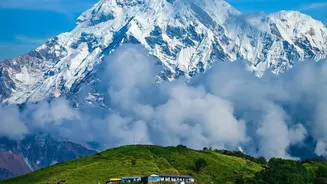
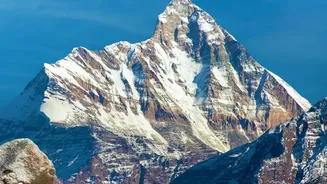
The ultimate destination on this trail is Chota Chandratal, a stunning high-altitude lake nestled at the base of the Deo Tibba massif. The excursion from Tainta to the lake is a day trip that involves a challenging uphill climb over moraine ridges. The peak of Deo Tibba (6,001m) and the formidable Indrasan (6,221m) dominate the skyline throughout the day. Arriving at the lake, which sits at an altitude of about 4,480 metres, is a moment of pure awe. The emerald waters of this 'Mini Moon Lake' perfectly mirror the snow-covered mountains surrounding it, creating a breathtaking panorama. This pristine, hidden lake is the climax of the trek, a serene and powerful reward for the arduous journey.
Know Before You Go
The Deo Tibba Base Camp trek is rated as moderate to difficult. It typically takes about 5 to 6 days to complete and involves significant altitude gain, reaching a high point of nearly 4,500 metres. Previous high-altitude trekking experience is highly recommended due to the challenging terrain, including steep ascents and moraine crossings. The best time to undertake this journey is from May to June and again from September to October, when the weather is generally stable and the skies are clear. Proper acclimatisation is crucial for a safe and enjoyable experience. Trekkers should be prepared for cold temperatures, especially at night, and pack appropriate layers, waterproof gear, and sturdy trekking shoes.