





The Land of Lemons
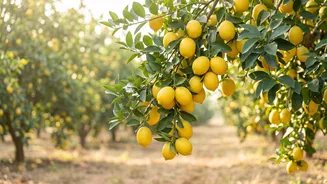
In the Vijayapura district of Karnataka, the town of Indi is affectionately known as the 'Land of Lemons'. This title isn't a recent marketing slogan but a testament to a deep-rooted agricultural identity stretching back over a century. The region, particularly
the taluks of Indi and Sindagi, has been cultivating a specific variety of lime since the early 1900s. This isn't just any lime; it's the 'Kagzi' lime, a variety so intertwined with the area that it's often simply called Indi Lime. The crop is central to the local economy, with Vijayapura district contributing an impressive 58% of all lime produced in Karnataka. For the roughly 11,000 growers in the region, this small, green fruit is their main source of livelihood.
What Makes the Indi Lime Special?
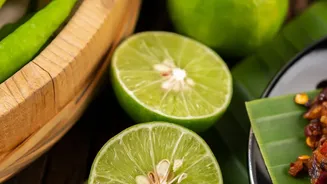
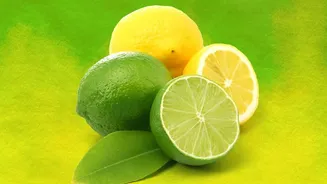
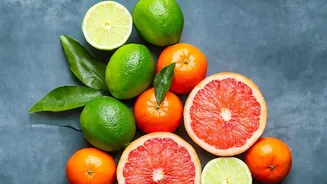
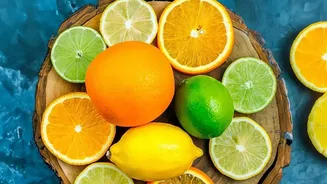
The name 'Kagzi' itself offers a clue to the lime's most distinctive feature, deriving from the Hindi word for paper. The Indi lime is renowned for its incredibly thin, paper-like rind. But its uniqueness doesn't stop there. This variety is prized for its high juice content, strong citrus aroma, and a sharp, pronounced acidity that makes it a culinary favourite. It also tends to be larger than many common limes and is rich in ascorbic acid, or Vitamin C. These combined characteristics—a delicate peel packed with aromatic, tangy juice—set it apart from other varieties and make it highly sought after for everything from refreshing sharbats to tangy pickles.
The Power of a GI Tag
In 2023, the Indi lime officially joined a prestigious list of Indian products by receiving a Geographical Indication (GI) tag. This tag is a form of intellectual property that certifies a product's origin from a specific geographical location and confirms that it possesses qualities or a reputation attributable to that origin. It's a guarantee of authenticity and quality. For the farmers of Indi, the GI tag is a game-changer. It protects their agricultural heritage and prevents others from marketing a different lime under the 'Indi' name. More importantly, it elevates the product's status, opening doors to premium domestic and international markets. The Indi lime was only the second lime variety in India, after the Assam lime, to receive this recognition.
From Local Farms to Global Markets
The GI tag has already begun to bear fruit, quite literally. With support from the Agricultural and Processed Food Products Export Development Authority (APEDA), consignments of Indi limes have been making their way to international markets. In late 2025, the first shipments were sent to Dubai, where they were met with an enthusiastic response, leading to subsequent orders that were four times the initial quantity. Following this success, the GI-tagged limes entered the market in Oman and a trial shipment was even sent to the United Kingdom. This access to global markets helps farmers secure better prices, reducing their dependence on the fluctuations of domestic markets and leading to improved income.
Overcoming Challenges, Cultivating the Future
Despite its newfound fame, cultivating the Indi lime is not without its difficulties. Farmers in the semi-arid region of Vijayapura often face challenges such as nutrient deficiencies in the soil and inconsistent yields. Traditional farming practices can sometimes lead to higher rates of fruit drop and lower productivity. To counter this, local agricultural bodies like the ICAR-Krishi Vigyan Kendra in Indi are actively working with farmers. They are implementing programs to introduce better nutrient management and integrated pest control, aiming to boost the average yield per plant. By blending traditional knowledge with modern agricultural science, the goal is to make the cultivation of this star citrus even more sustainable and profitable for the community that has nurtured it for generations.