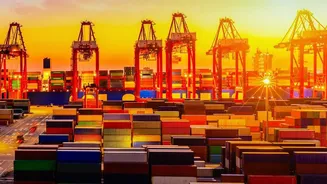





The Undisputed Chokepoint
To understand the shock of its closure, one must first grasp the Strait of Hormuz's former dominance. This narrow channel of water separating Iran from the Arabian Peninsula was not just a shipping lane; it was the central nervous system of the global
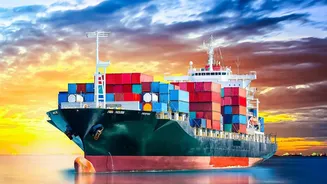
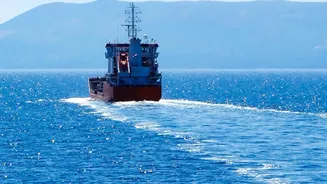
energy market. Prior to February 2026, approximately 25% of the world's seaborne oil trade and about 20% of its liquefied natural gas (LNG) passed through this chokepoint. For major Asian economies, the reliance was even more stark. An estimated 80% of the oil transiting the strait was destined for countries like China, Japan, South Korea, and, crucially, India. Day and night, a parade of supertankers navigated its waters, a visible representation of an interconnected global economy that ran on the assumption of its perpetual, uninterrupted flow. This vital passage, only about 54 kilometres wide at its narrowest navigable point, was the primary export route for powerhouse producers like Saudi Arabia, the UAE, Kuwait, Qatar, and Iraq.
The February Flashpoint
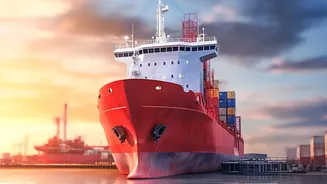
The situation unravelled with staggering speed in late February 2026. Following a sharp escalation of geopolitical tensions, including failed nuclear negotiations, the United States and Israel launched airstrikes against Iran on February 28. In swift retaliation, Iran declared the Strait of Hormuz closed to adversarial nations and began a campaign to enforce the blockade. Using a combination of sea mines, drone attacks, and direct threats from its naval forces, Iran effectively halted most maritime traffic. Reports emerged of merchant ships being boarded and attacked. The result was an immediate and near-total shutdown. Ship transits, which once numbered over a hundred per day, dropped to near zero. An estimated 2,000 ships and 20,000 seafarers, many of them Indian and Filipino, were left stranded inside the Persian Gulf, transforming a vital waterway into a high-stakes conflict zone.
Shockwaves Across Global Markets
The economic fallout was immediate and brutal. The effective closure of the world's most important energy chokepoint triggered what the World Bank described as a major oil market shock. Brent crude prices, which had been in the low $80s per barrel, surged past $100 in early March and peaked above $114 in May. The crisis was not just about price, but physical supply. The disruption wiped out roughly 20% of the world's oil supply from the market, causing fuel shortages and panic buying in dependent nations. Global supply chains, already fragile, were thrown into chaos. Insurance premiums for vessels in the region became prohibitively expensive, if available at all, further cementing the de facto closure of the strait. The crisis quickly rippled beyond oil, severely impacting LNG supplies from Qatar and the UAE and disrupting trade in fertilizers and other industrial products.
India’s Energy Equation Upended
For India, the crisis was a direct threat to its economic stability and energy security. The nation imports around 85-90% of its crude oil, with a substantial portion sourced from the Persian Gulf. Before the crisis, around 40% of India's crude imports and a significant share of its LNG and LPG supplies relied on passage through Hormuz. The sudden supply shock and price surge hit hard. The cost of India's crude import basket soared, putting immense pressure on the national budget, threatening to drive up inflation, and destabilizing the rupee. The crisis underscored India's deep vulnerability to a single point of failure in its energy supply chain. The Indian shipping sector faced operational paralysis, and the safety of thousands of Indian seafarers trapped in the Gulf became a pressing concern.
A Scramble for a New Normal
The months since February have seen a frantic global effort to adapt. The crisis accelerated plans for alternative routes that bypass Hormuz. Saudi Arabia and the UAE ramped up the use of existing pipelines that transport oil to ports on the Red Sea and the Gulf of Oman. Iraq and other regional players began fast-tracking plans for new pipeline projects to the Mediterranean. For energy importers like India, the crisis forced a painful but necessary reckoning. The government has had to draw upon strategic petroleum reserves and intensify its push to diversify energy sources, both in terms of geography and a faster transition towards renewables. While diplomatic efforts continue to seek a resolution, the world has been forced to operate on the assumption that the era of relying on an open Hormuz is over. The highway is closed, and the costly, complex work of building new roads has just begun.