






A Planet's Worth of Travellers in Peril
The sheer scale of the crisis is staggering. A recent interim report from the UN Convention on the Conservation of Migratory Species of Wild Animals (CMS) found that the situation is worsening. As of early 2026, 49% of migratory species listed for protection
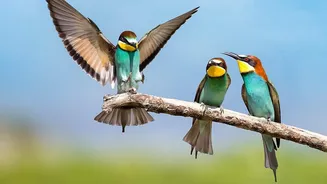
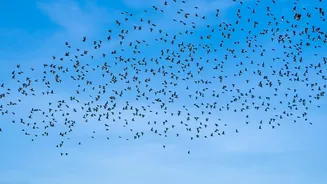
are experiencing population declines, an increase from 44% just two years prior. Furthermore, nearly a quarter (24%) of these species are now threatened with extinction. This alarming trend was first detailed in the comprehensive 2024 'State of the World's Migratory Species' report, which served as a global wake-up call. The data paints a grim picture for creatures great and small, from birds and mammals to insects and fish, all of whom undertake incredible journeys to survive.
The Double Threat of Habitat Loss and Climate Change
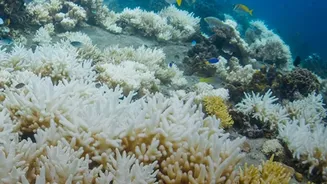
The decline is not due to a single cause but a relentless combination of pressures, with two standing out: overexploitation and habitat loss. Human activities are the primary driver. The expansion of agriculture, infrastructure like roads and dams, and urban sprawl are fragmenting and destroying the vital habitats these species rely on for breeding, feeding, and resting along their routes. Cities are expanding into historical wildlife habitats, turning forests and wetlands into residential areas and forcing animals to adapt or perish. Climate change acts as a threat multiplier. It disrupts the delicate timing of migration, causing animals to arrive at their destinations before or after their food sources are available. Rising temperatures can also skew the sex ratios of species like sea turtles and reduce the foraging time for animals like the African wild dog.
India’s Winged and Finned Visitors at Risk
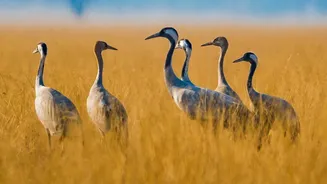
This global crisis has tangible impacts on India, a critical stopover point on the Central Asian Flyway for countless birds. Delayed winters and rising temperatures are shrinking the migratory season in wetlands across the country, from Chilika Lake in Odisha to protected areas in Punjab. Scientists have noted that wetlands are becoming warmer, robbing birds arriving from the frigid Arctic of the gradual temperature change they need to acclimatize. This has led to a steady decline in the number of avian guests over the past several years. Studies project that climate change poses a greater threat to migratory birds in India than to resident species, as their ranges are more likely to shift and shrink. The plight extends to marine life, with migratory fish being the most threatened group globally; a shocking 97% of species listed by the CMS are at risk of extinction.
Why Their Journey Is Essential for Us
The decline of migratory species is more than just a loss of natural wonder; it is a threat to the health of our planet and our own well-being. These travelling animals are essential to functioning ecosystems. They act as pollinators for our crops, disperse seeds to regenerate forests, control pest populations, and transport vital nutrients across vast distances. For example, when humpback whales migrate from polar feeding grounds to tropical calving waters, they fertilize the oceans with nutrient-rich waste, fueling the base of marine food webs. The disappearance of these species creates a domino effect, destabilizing the ecosystems that provide clean water, carbon storage, and livelihoods for communities around the world.
A Call for Coordinated Action
Reversing this trend is a monumental task that requires international cooperation, as these species cross multiple borders. Conservation cannot be confined to one nation. Key recommendations from the UN and conservation bodies include strengthening efforts to tackle the illegal and unsustainable taking of species, identifying and protecting important sites along migratory routes, and reducing all forms of pollution—including light, noise, and plastic. There have been success stories. Concerted efforts to ban illegal bird netting in Cyprus and habitat restoration in Kazakhstan for the Saiga antelope show that recovery is possible when strong, coordinated action is taken. By protecting migratory corridors and ensuring habitats remain connected, we can give these incredible travellers a fighting chance at survival.