








Project Camellia: A New AI Hub Rises
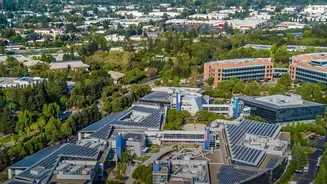
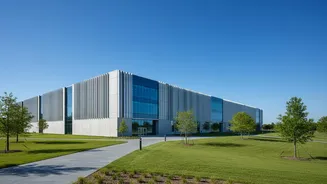
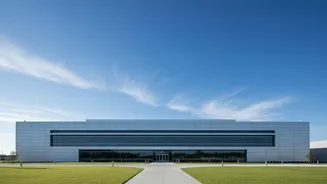
In Effingham County, Georgia, a massive undertaking named 'Project Camellia' is underway. OpenAI is investing an estimated $20 billion to $30 billion to construct a sprawling 1,400-acre data center campus, its first-ever project of this kind designed
and developed in-house. Located near Savannah within an existing industrial hub, the campus is set to become one of the largest AI infrastructure projects in the United States. Power will be delivered in phases by Georgia Power, starting in 2028 and eventually reaching a staggering 3.2 gigawatts by 2032, highlighting the immense energy required to train and run next-generation AI models. This isn't just another building; it's a statement of intent, designed to create thousands of construction and permanent jobs and reshape the region's economic landscape.
The Strategy of Self-Reliance
For years, OpenAI relied on partners, primarily Microsoft, for the colossal computing power its models demand. This move to build represents a fundamental shift toward vertical integration. Owning its data centers gives OpenAI unprecedented control over the entire technology stack, from the physical building and power supply to the custom silicon inside. Computing infrastructure is a primary constraint on how fast AI can improve, and direct ownership allows for bespoke designs optimized for specific AI workloads, potentially boosting performance and managing costs more effectively. As the company's projected spending on computing infrastructure climbs towards $750 billion through 2030, developing its own facilities is a long-term strategy to secure the resources needed for its ambitious roadmap. This pivot transforms OpenAI from a consumer of cloud services into a major infrastructure player in its own right.
What About the Microsoft Partnership?
The announcement immediately raises questions about OpenAI's deep and lucrative partnership with Microsoft, which has invested billions and provides significant cloud capacity through Azure. However, this new data center doesn't signal a divorce. Instead, it reflects a diversification strategy. The scale of OpenAI's needs is so vast that no single provider can likely satisfy them. The company is simultaneously expanding its agreements with other cloud giants like Oracle and Amazon Web Services. The Georgia campus is a complementary piece of a much larger puzzle, giving OpenAI a self-controlled foundation while still leveraging the massive scale of its cloud partners. It’s a 'both/and' approach, ensuring capacity and flexibility as it competes in an AI arms race where computational power is the ultimate currency.
Why Georgia, and at What Cost?
The choice of Georgia was strategic. The state offers a welcoming industrial environment, and the site was already zoned for large-scale development. A key part of the deal involves a 25-year agreement with Georgia Power. To address common concerns that fuel opposition to data centers, OpenAI has made several public commitments. The company will pay the full cost of the required electrical infrastructure, ensuring local residents' utility bills do not increase as a result of the project. It has also agreed to a flexible demand response program, allowing Georgia Power to reduce electricity flow to the campus during peak usage times to protect grid stability. Furthermore, OpenAI has pledged $80 million in community benefits and designed the facility with a closed-loop water system to minimize its environmental footprint. Despite these assurances, the project has faced some local backlash from residents concerned about the secretive negotiation process and potential environmental impacts.