




More Than Just a Workout
Many of us associate aerobic exercise with running, cycling, or climbing stairs, activities that are fantastic for cardiovascular health but can sometimes feel monotonous. Dance aerobics breaks that mould, transforming exercise into an expressive and
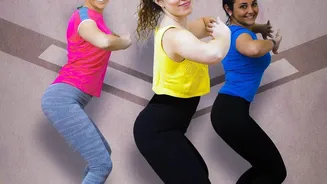
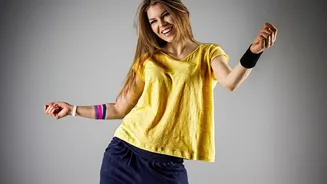
engaging experience. It fuses rhythmic, choreographed moves with high-energy music, creating a full-body workout that feels more like a party than a chore. The focus isn't on perfect technique but on sustained movement that elevates your heart rate. This makes it an incredibly accessible form of fitness, welcoming beginners and seasoned athletes alike to burn calories, improve heart health, and, most importantly, have fun while doing it.
The Brain-Body Connection
One of the most significant advantages of dance aerobics is its ability to challenge both your mind and body simultaneously. Learning and recalling choreography requires mental effort, stimulating cognitive functions like memory, focus, and problem-solving. This 'pleasure double play'—where music stimulates the brain's reward centers and dance activates sensory and motor circuits—enhances neuroplasticity, the brain's ability to form new connections. Research has shown that this combination of physical and mental engagement is incredibly beneficial, with some studies linking regular dancing to a reduced risk of dementia. While you're learning steps and moving to the beat, you're actively boosting your brain health.
Building Better Balance
Good balance is crucial for everyday movements, from walking on an uneven surface to preventing falls. Dance aerobics is exceptionally effective at improving it. The constant changes in direction, shifts in weight, and multi-dimensional movements challenge your body's stabilizing muscles in ways that linear exercises like running do not. This process strengthens your core, back, and leg muscles, all of which are fundamental for maintaining good posture and stability. Furthermore, dance enhances proprioception—your body's awareness of its position in space. By practicing controlled movements and learning to stay steady while changing positions, you train your nervous system to coordinate your muscles with greater precision, improving your balance both on and off the dance floor.
Improving Coordination and Endurance
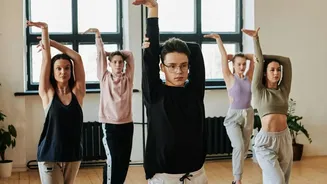
Coordination is the ability to move different parts of the body together smoothly and efficiently. Dance aerobics is a masterclass in this skill. Following choreography requires you to sync your arms, legs, and torso with the music and with each other. These repetitive movements build muscle memory, allowing for more graceful and efficient motion in daily life. As for endurance, the benefits are clear. Like any good aerobic activity, dance strengthens your heart muscle, improves circulation, and increases your stamina over time. A sustained dance session easily meets the recommended weekly guidelines for moderate-intensity exercise, improving your cardiorespiratory fitness and overall energy levels. The more you dance, the more your endurance will grow, allowing you to tackle longer routines and feel more vigorous throughout your day.
How to Get Started
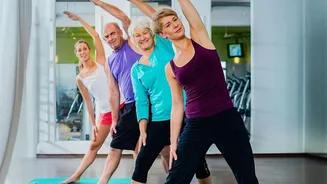
The beauty of dance aerobics lies in its variety and accessibility. There are countless styles to choose from, including Zumba, hip-hop, Bollywood, and jazz-based workouts. Many gyms and community centers offer classes for all fitness levels. If you prefer to start at home, there are thousands of free videos and paid programs available online that you can follow in your living room. Don't worry about getting every step right at first. The key is to keep moving and enjoy the process. For beginners, it's wise to start with shorter sessions, perhaps 20-30 minutes three times a week, and gradually increase the duration as your confidence and stamina build. And remember, you can always modify moves to be low-impact by replacing jumps with marches or step-touches.