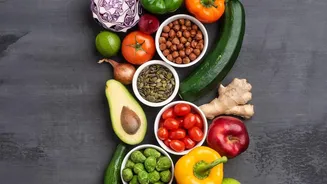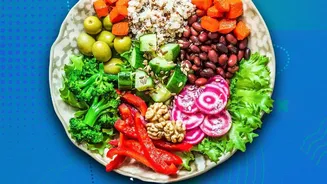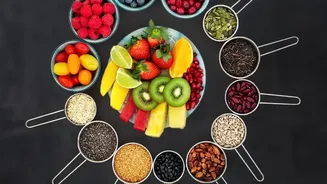




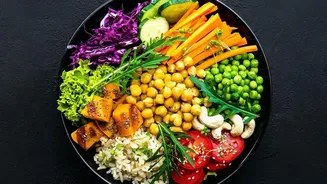

The 'Pretty Food' Halo Effect
The idea that we eat with our eyes first is more than just a saying; it’s a psychological phenomenon. Research has consistently shown that when food is presented beautifully, we tend to perceive it as not only tastier but also healthier. This is a cognitive
shortcut known as the 'health halo' effect, where a single positive attribute—in this case, attractive presentation—leads us to make broader positive assumptions, including about its nutritional value. A 2020 study published in the Journal of Marketing found that foods styled with classical aesthetic principles like order, symmetry, and balance are often judged as healthier and more natural. This happens even when we are given identical nutritional information for both a 'pretty' and an 'ugly' version of the same dish.
Why Our Brains Link Beauty with Health
The link between beauty and health perception is rooted in our association of classical aesthetics with nature. Symmetrical patterns, balance, and order are abundant in the natural world, from honeycombs to spiderwebs. Our brains have formed a lay intuition that things that appear natural are inherently better for us than things that appear artificial or processed. Research from the University of Southern California explains that when food mimics these nature-like patterns, our brain transfers the positive qualities of nature onto the food itself. This makes us perceive it as purer, less processed, and ultimately, lower in calories and fat, regardless of the reality. This bias is so strong that one experiment found people were willing to pay significantly more for a 'pretty' bell pepper than an 'ugly' one, largely due to this perceived health boost.
The Influence of Plating and Social Media
Social media platforms have amplified this phenomenon exponentially. Instagram, TikTok, and Pinterest are flooded with images of meticulously crafted meals, setting an unrealistic standard for what 'healthy' looks like. This digital environment creates an echo chamber where aesthetically pleasing, 'Instagrammable' food is constantly equated with a healthy lifestyle. The algorithms on these platforms reward engaging, beautiful content over factual accuracy, leading to the spread of misinformation and skewed perceptions of nutrition. Studies have shown that exposure to this type of content can influence eating habits, sometimes leading to anxiety and guilt around foods that don't meet these visual standards. Even subtle choices in presentation, such as how a sauce is plated, can make a significant difference. A recent study found that a dish was perceived as healthier when the sauce was placed separately on the plate versus drizzled over the top.
How to Bridge the Perception Gap
Recognizing this bias is the first step toward making more informed food choices. While there is nothing wrong with appreciating a beautifully presented meal, it's crucial to look beyond the visual appeal. The health halo effect can encourage us to overconsume foods we believe are healthy or justify unhealthy choices later. Experts suggest a more mindful approach. This means looking past front-of-package claims and idealized images to assess the full nutritional profile. One study found that the 'pretty food' bias can be reduced by simply reminding people that the food was artificially modified for the photo. When scrolling through social media, it's important to consider the creator's credentials and be wary of extreme 'eat this, not that' messaging. This critical mindset allows you to enjoy the beauty of food without letting it cloud your judgment about its actual health benefits.