


The Globalisation of the Indian Palate
The Indian kitchen has always been a hub of flavour, but today it is more dynamic than ever. A confluence of factors—increased global travel, the endless scroll of food trends on social media, and a growing curiosity for new taste experiences—is transforming
how Indians cook at home. Young, experimental home cooks and seasoned chefs alike are looking beyond traditional ingredients to add new layers of complexity to their dishes. This isn't about replacing the classics, but rather augmenting them. The search for new flavours, particularly the savoury depth of umami and the health-giving properties of fermented foods, has opened the door for ingredients from East Asia and the Mediterranean to find a comfortable and creative home in Indian cooking. This culinary evolution reflects a confident, globalised Indian identity, eager to borrow and blend.
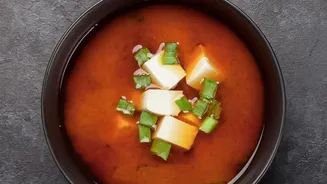
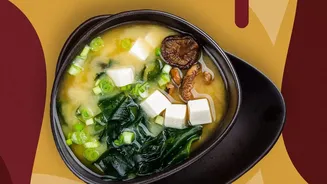
Miso: India's New Umami Kick
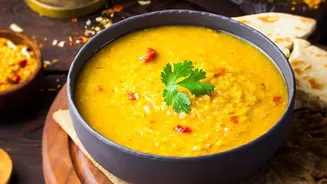
Miso, the fermented soybean paste from Japan, is proving to be a surprisingly versatile addition to Indian cuisine. Celebrated for its deep, salty, and savoury umami flavour, cooks are discovering its power to elevate everyday dishes. Home cooks are stirring it into lentil-rice porridges like khichdi and even using it as a flavour booster for baingan bharta, an aubergine curry. Chefs are incorporating it into chutneys and hummus, finding that its complexity complements Indian spices beautifully. Think of it as a flavour enhancer that provides a background richness, allowing it to be used in marinades for paneer, as a base for hearty soups, or even whisked into a coconut milk curry for an unexpected layer of depth. This adoption is also driven by a wellness trend, as gut-friendly fermented foods gain popularity.
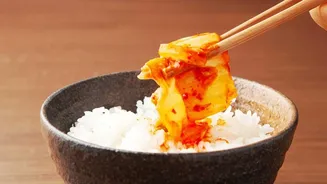
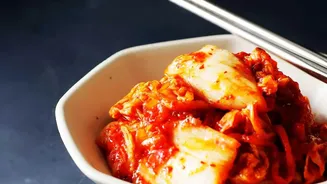
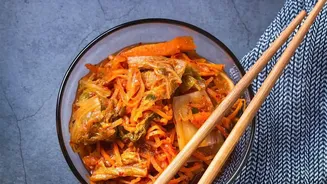
Kimchi: A Familiar Fermented Funk
At first glance, the fiery Korean staple of fermented cabbage might seem worlds away from Indian food, but its soul is surprisingly familiar. India has a rich and ancient tradition of pickles (achaar) and fermentation, from dosa batter to kanji. Kimchi, with its tangy, spicy, and crunchy profile, fits right into this culinary mindset. It is this familiarity that has led to its creative integration into Indian meals. Beyond being a side dish, kimchi is being stuffed into parathas, mixed into fried rice, used as a zesty topping for dosas, and even blended into the batter for savoury bhajis. Indianised versions of kimchi are also emerging, using locally available vegetables and adjusting the spice paste to suit regional tastes, often using ingredients like Kashmiri red chilli powder. It's a perfect example of a global ingredient being adapted with a uniquely Indian twist.
Olive Oil: From Drizzling to Daily Cooking
Olive oil is not a new entrant to the Indian market, but its role in the kitchen is undergoing a significant shift. Initially perceived as a healthy oil exclusively for salads and continental dishes, it is now making its way into the heart of everyday Indian cooking. The key has been understanding the different types of olive oil. While extra virgin olive oil is still reserved for dressings and finishing dishes, cooks are now using refined or pomace olive oil for high-heat applications. This includes traditional techniques like preparing tadkas (tempering spices in hot oil), sautéing vegetables for sabzis, and even frying snacks like puris and pakoras. Prominent chefs like Sanjeev Kapur have championed its use, demonstrating that olive oil can seamlessly replace traditional oils in most Indian dishes without altering the fundamental taste of the spices. This change is heavily driven by health consciousness, as families look for heart-healthy alternatives to refined seed oils.