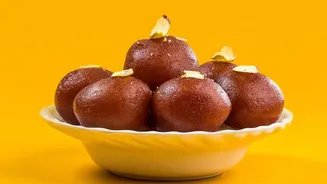




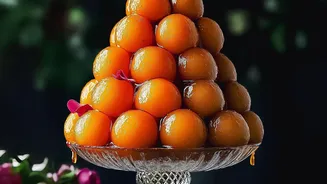
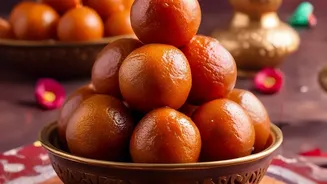
On the busy highway between Delhi and Lucknow lies a small village with a big reputation. Maigalganj in Uttar Pradesh is more than just a pitstop; it's a legendary destination for one of India's most beloved sweets: the Gulab Jamun.
The Highway of Sweets
For travellers on National
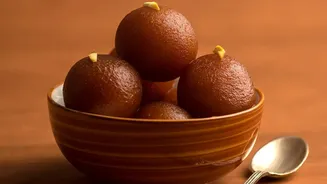
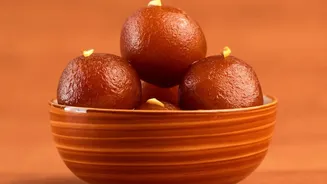
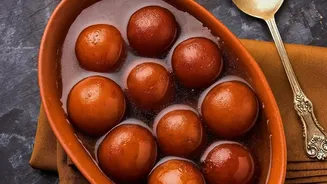
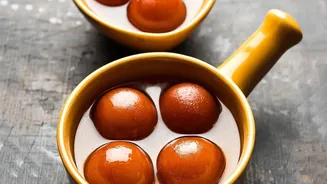
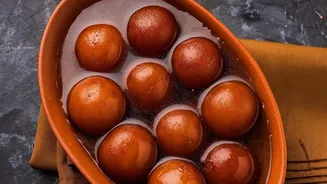
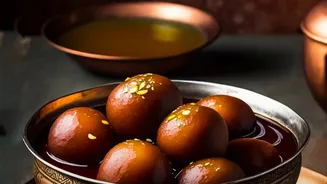
Highway 24, the sight of Maigalganj is a welcome one. This otherwise quiet village in the Lakhimpur Kheri district transforms into a bustling hub of culinary activity. A stretch of road, barely half a kilometre long, is lined with over a hundred shops, all dedicated to serving fresh, hot Gulab Jamuns. Cars and buses frequently pull over, and passengers spill out, eager to taste the sweet that has made this village famous. Served warm in traditional earthen plates, the Gulab Jamuns here are not just a dessert but a ritual for those passing through.
A Tradition Born in 1941
The story of Maigalganj's sweet legacy begins in 1941. It was then that a vendor, believed to be named Dhanpal, set up the first sweet shop, Dhanpal Misthan Bhandar. At the time, the area was undeveloped, and proper roads were yet to be built. Yet, the shop's Gulab Jamuns quickly gained popularity among the few travellers who passed by. Word of mouth spread, and by the 1970s, Maigalganj had become synonymous with the dessert. Following the success of the first shop, many others opened, creating what is now affectionately known as 'Gulab Jamun Street'.
What Makes It So Special?
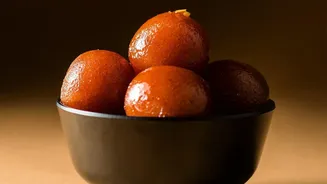
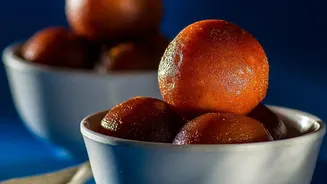
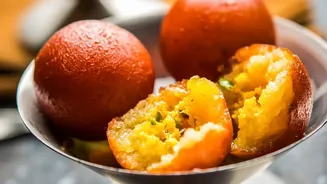
While Gulab Jamun is a staple across India, the Maigalganj version has its own unique charm. The process is meticulous. The dessert is traditionally made from khoya, which is milk that has been slowly reduced to a soft, dough-like consistency. This khoya is mixed with a small amount of flour, kneaded, and shaped into balls before being deep-fried in ghee or oil until they achieve a perfect golden-brown colour. The fried balls are then soaked in a fragrant sugar syrup infused with cardamom and rose water. Shopkeepers pride themselves on achieving the perfect 'ek-taar' or 'one-string' consistency for the syrup, which ensures the jamuns remain incredibly soft without falling apart. The freshness is key, as they are served piping hot to every customer.
A Village's Sweet Identity
Today, Maigalganj is a testament to how a single food item can define a place. Many of the shops bear similar names, such as 'Mashoor Gulab Jamun ki Purani Dukaan' (Famous Old Gulab Jamun Shop), all claiming a connection to the original heritage. Despite the competition, shop owners say there is enough business for everyone, from locals buying sweets for their families to travellers making a special stop. This tradition has provided a livelihood for generations of families in the village. According to one long-time worker, without the Gulab Jamun, Maigalganj would just be another anonymous spot on the highway. While some shops have started selling other snacks, the Gulab Jamun remains the undisputed star.
The Enduring Appeal
The origin of the Gulab Jamun itself is traced back to Persian invaders, who brought a similar fritter to India. The name is a fusion of the Persian 'gulab' (rose water) and the Indian fruit 'jamun', which the sweet resembles. But in Maigalganj, this historical recipe has been perfected into a local art form. More than 80 years after the first shop opened its doors, the demand for these syrupy delights shows no sign of slowing down. It stands as a delicious piece of living history, eagerly consumed one earthen bowl at a time.