







Understanding the Rankings
Before diving into the list, it's helpful to know what 'competitiveness' means here. The WEF's Travel & Tourism Development Index (TTDI) isn't just about pretty beaches or ancient ruins. It’s a comprehensive look at the factors that enable a country's
tourism sector to be sustainable and resilient. This includes everything from air transport infrastructure, safety, and hygiene to natural and cultural resources, and the overall business environment. The 2026 findings are based on a forward-looking analysis of trends identified in the most recent data, which shows a sector that has moved beyond pandemic recovery and into a new era of growth.
The Elite Club: The Top 10
The top of the list features many of the world's tourism heavyweights, recognized for their mature markets and world-class infrastructure. According to the WEF's analysis for 2026, Japan has taken the top spot, praised for its unique cultural resources and exceptional transport systems. It’s followed by the United States, Spain, Australia, and France. Germany, the United Kingdom, China, Switzerland, and Italy round out the top ten, showcasing a continued dominance by European nations, which make up a majority of the highest-ranked countries.
1. Japan
Climbing to the number one position, Japan is a powerhouse of both ancient tradition and modern efficiency. Its top ranking is supported by world-class ground and air infrastructure, rich cultural attractions, and a strong focus on non-leisure travel. The WEF report notes that Japan's efforts to promote tourism beyond major hubs like Tokyo have helped spread the benefits and appeal of visiting the country.
2. The United States
The US earns its high ranking due to its sheer scale and diversity. It boasts vast natural resources, from national parks to stunning coastlines, and a dynamic environment for business travel. While it was knocked off the top spot by Japan, its market size, competitive economy, and extensive air travel network keep it firmly near the top of any global traveler's list.
3. Spain
A perennial favorite, Spain continues to be a global leader in tourism. It scores highly for its cultural resources, including numerous UNESCO World Heritage sites, and strong tourist service infrastructure. The country has long invested in making travel easy and enjoyable, a strategy that continues to pay dividends in the WEF rankings.
4. Australia
Jumping up two spots in the rankings, Australia is noted for its incredible natural beauty and prioritization of tourism development. Its high scores in air transport infrastructure and tourist services make it an accessible destination despite its distance for many. The country offers a blend of vibrant cities and unparalleled outdoor adventures.
5. France
Synonymous with culture, cuisine, and art, France's position in the top five is no surprise. The country's robust cultural resources, excellent ground transportation, and globally recognized attractions ensure it remains one of the world's most-visited destinations. Its consistent performance highlights a mature and highly developed tourism sector.
The Eastern Ascent
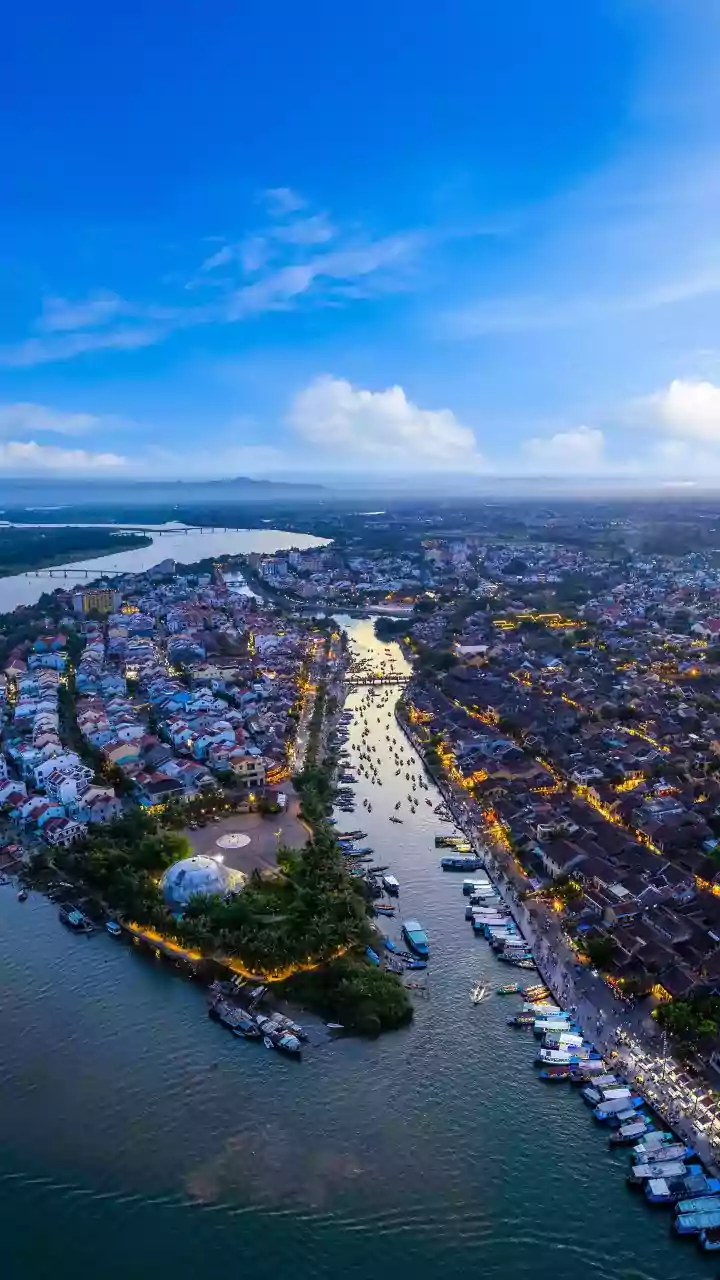
The big story in the 2026 index is the rapid rise of economies in the Asia-Pacific (APAC) and Middle East. While only China and Japan make the top 10, the list of 'most improved' countries is dominated by this part of the world. The Middle East has shown the highest recovery in tourist arrivals since the pandemic, exceeding 2019 levels, while the APAC region is the fastest-improving overall. Countries like Saudi Arabia and the United Arab Emirates are lauded as two of the top 10 most improved economies, a result of significant investment in tourism infrastructure and more open visa policies. This trend indicates a significant diversification of the global tourism landscape, offering travelers exciting new options.
China's Solid Position
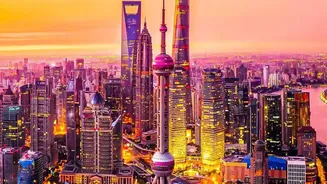
As the only upper-middle-income economy in the top 10, China's presence is significant. It demonstrates one of the fastest rates of improvement among all countries assessed. Its strengths lie in its vast cultural and natural assets, competitive pricing, and growing transport infrastructure. China's continued development signals the increasing power of emerging economies to compete with traditional tourism giants.
What This Means for Travelers
The key takeaway for wanderlusters is that the world of travel is expanding. While Europe and North America offer reliable and high-quality experiences, the fastest growth and momentum are happening elsewhere. This translates to more choices, often at more competitive prices. The rising competitiveness of nations in the Middle East and Asia-Pacific means new airports, improved services, and a bigger push to attract international visitors with unique cultural and natural experiences. For travelers, this managed growth means new frontiers are opening up, backed by improving infrastructure and a readiness to welcome the world.